Tax Gains Could Boost Wallets, Offset Gas Price Pain
New tax legislation aims to put more money directly into Americans' pockets, potentially offsetting concerns over rising gas prices. Proponents highlight that no one objects to having more personal income to spend as they see fit.

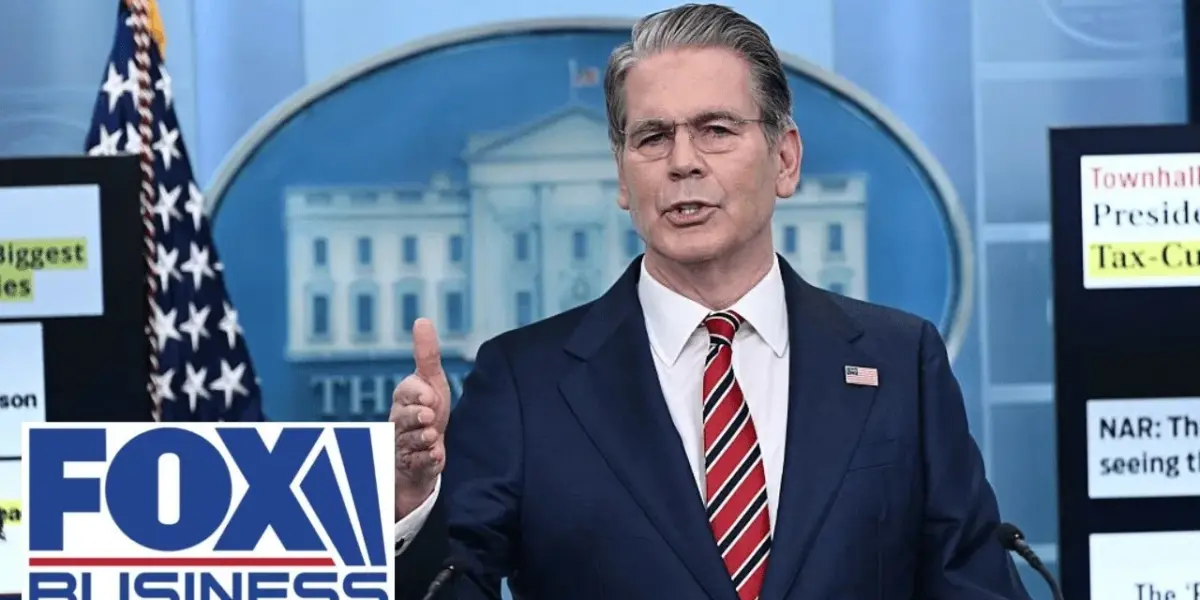
Tax Law Changes Promise More Money for Americans
New tax changes are on the horizon, and they could mean more money stays in your pocket. Proponents argue that these tax gains will help offset the rising cost of everyday essentials, like the current price of gas.
The core idea is simple: Americans will have more control over their earnings. This allows individuals to decide how best to spend their money. More disposable income can make a real difference in household budgets.
Focus on First Responders Highlights Overtime Benefits
The discussion around tax benefits has also highlighted the value of overtime pay. Recent meetings with first responders, including police officers, firefighters, and ambulance drivers, showed a strong desire for more overtime opportunities.
These dedicated professionals see overtime as a valuable way to increase their earnings. This desire for more work aligns with the broader goal of putting more money into the hands of hardworking Americans. It shows a clear benefit that citizens can understand and appreciate.
The ‘One Big Beautiful Bill’ and Its Impact
While the specifics of the legislation are complex, the intention behind the “one big beautiful bill,” as it’s been called, is to provide financial relief. The tax gains are expected to be a significant factor in this relief.
The goal is to put more money directly into the hands of citizens. This approach trusts Americans to manage their finances effectively. It’s a strategy focused on empowering individuals through increased financial flexibility.
Context: Gas Prices and Economic Concerns
The timing of these tax changes comes as many Americans are feeling the pinch of higher prices. The cost of gasoline, in particular, has been a major concern for households across the country.
By potentially increasing disposable income, the tax adjustments aim to provide a counterbalance to these economic pressures. The idea is that having more money available can help absorb the shock of rising costs for necessities.
Market Impact
The potential for increased consumer spending due to higher disposable income could have a positive ripple effect across various sectors of the economy. When people have more money to spend, they tend to buy more goods and services.
This could boost retail sales, support small businesses, and potentially lead to job growth. The focus on overtime pay for essential workers also suggests a recognition of their contributions and the need to support their financial well-being.
What Investors Should Know
Investors will be watching to see how these tax changes impact consumer behavior and corporate earnings. Sectors that rely heavily on consumer spending, such as retail and hospitality, could see a benefit.
The emphasis on overtime pay might also indirectly benefit companies that employ many hourly workers or those in industries where overtime is common. Understanding how these tax gains translate into actual spending will be key to assessing their broader economic impact.
Looking Ahead
The effectiveness of these tax measures will depend on several factors, including the overall health of the economy and continued global supply chain issues that affect prices.
However, the principle of allowing Americans to keep more of their hard-earned money is broadly popular. The aim is to provide tangible financial relief and empower citizens to make their own spending decisions.
Source: Scott Bessent: No one has EVER objected to this… (YouTube)

Related Articles


Trump’s $3 Gas Promise Fades as Reality Sets In
President Trump's promise of $3 a gallon gas is facing delays and shifting timelines. As international tensions and market realities set in, the administration is tempering expectations, raising questions about political messaging and economic control.


Millions Lack Emergency Savings: A Financial Health Check
Less than half of Americans can cover a $1,000 emergency from savings, a Bankrate survey found. Building an emergency fund of 3-6 months of living expenses is a key sign of financial health. This savings buffer protects against unexpected costs and supports long-term financial goals.

Trump Tax Cuts Deliver Billions Back to Americans
White House officials detailed the success of President Trump's "working families tax cuts" on Tax Day, reporting that over 53 million Americans have claimed significant tax savings and historic refunds. Treasury Secretary Scott Bessant and Small Business Administrator Kelly Leler highlighted benefits for individuals and small businesses, while also addressing economic outlook and international matters.