Trump’s Iran Gamble Risks Economic Ruin, Political Undoing
The Trump administration's aggressive stance on Iran, marked by a lack of a clear strategy and an expectation of surrender, risks global economic instability and domestic political fallout. Analysts warn that continued escalation could lead to devastating economic consequences and prolonged conflict, with domestic pressure being the only likely off-ramp.

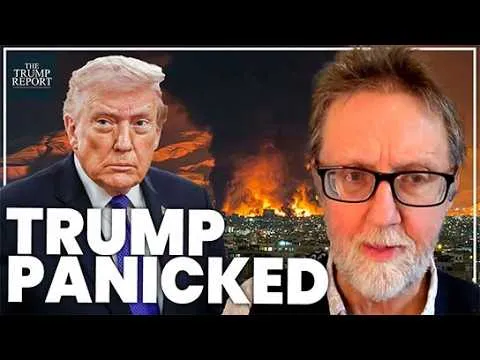
Trump’s Escalation in Iran: A High-Stakes Gamble with Global Repercussions
The recent escalation of conflict involving the United States and Iran has ignited a firestorm of geopolitical and economic consequences, with analysts suggesting that the Trump administration’s approach may be driven by panic rather than a coherent strategy. The assassination of Ayatollah Ali Khamenei and the subsequent rise of his son, Moshaba Khamenei, as Iran’s supreme leader, has been met with a seemingly inflexible and aggressive stance from Washington. This hardline approach, characterized by public pronouncements of expected surrender and a desire to dictate Iran’s leadership, appears to overlook the complex realities on the ground and the potential for catastrophic blowback.
The Illusion of Control: Washington’s Miscalculation on Iran
Professor Scott Lucas of University College Dublin, speaking on The Trump Report, draws a stark parallel between the Trump administration’s stance on Iran and a scene from the James Bond film Goldfinger. “We don’t really expect you to talk, Mr. Bond.
We expect you to die.” This analogy captures the perceived lack of a detailed plan, with an expectation that the Iranian regime will simply collapse or surrender. The public displays of this overconfidence, particularly through all-caps social media posts demanding unconditional surrender and asserting the right to choose Iran’s next leader, highlight a disconnect from diplomatic realities.
The appointment of Moshaba Khamenei, while carrying the same ideological fervor as his father, is presented not merely as a religious succession but as a calculated political maneuver by Iran. Despite not holding the highest clerical rank, his selection, mirroring his father’s ascent in 1989, signifies a move by the hardline factions, including the Revolutionary Guards, to ensure continuity and defiance against external pressure. This succession, coupled with Iran’s retaliatory actions against civilian infrastructure like oil facilities and desalination plants, signals a clear message: Iran is prepared for a protracted conflict and will not capitulate.
Echoes of the Past, Warnings for the Future: Lessons from Gaza and Iraq
The strategy of bombing the regime into submission is being critically examined, with historical parallels offered to illustrate its potential futility. The situation in Gaza, where years of Israeli military action against Hamas leadership ultimately failed to dislodge the group’s control, is a potent example. Similarly, the aftermath of the 2003 invasion of Iraq, which led to prolonged insurgency and instability, highlights the dangers of intervention without a clear, viable post-conflict plan.
Lucas argues that even a hypothetical regime collapse in Iran would not necessarily lead to a stable outcome. Instead, it could plunge the nation into disorder and chaos, exacerbated by existing ethnic divides.
Any external intervention to establish a new government risks being perceived as an occupation, alienating the very population that might oppose the current regime. The historical precedent suggests that imposing an external solution often backfires, creating a breeding ground for further conflict and resentment.
Economic Devastation: The Ripple Effect of the Iran Conflict
The conflict’s impact extends far beyond the immediate region, with severe repercussions for the global economy, particularly the energy sector. Attacks on oil facilities in Qatar, Bahrain, and Saudi Arabia have led to significant disruptions in liquefied natural gas and crude oil production. This has caused a dramatic surge in global oil prices, with projections suggesting they could reach $150 per barrel, a level not seen since the 1973 oil embargo that triggered widespread economic hardship and rationing in the United States.
The immediate consequence for consumers is a sharp increase in gasoline prices, reminiscent of pre-pandemic levels and potentially surpassing them. This inflationary pressure is not limited to fuel; it is expected to drive up the cost of transportation, food, electricity, and virtually all consumer goods. The economic stability of households worldwide is under threat, with the potential for a global recession looming large.
The Political Fallout: Domestic Pressure as the Off-Ramp
For the Trump administration, the escalating economic crisis presents a significant political vulnerability. With midterm elections on the horizon, rising energy costs and broader inflation could erode public support, particularly among voters who prioritized economic stability. The perception of engaging in a costly foreign entanglement that directly harms American households could prove to be a critical misstep.
Lucas posits that the conflict will not cease until significant domestic pressure is applied within the United States on the Trump administration. This pressure, likely fueled by economic hardship and a desire to avoid prolonged foreign conflicts, may force the administration to seek an “off-ramp.” The divided Gulf states, while concerned about the economic fallout, are hampered by internal disagreements, limiting their ability to mediate effectively. The path to de-escalation, therefore, may depend on a shift in domestic sentiment within the U.S.
A Call for De-escalation Amidst Escalating Rhetoric
Despite profound disagreements with the Iranian regime, there is a compelling argument for de-escalation. The current strategy of intensified military action and the pursuit of regime change, without a clear understanding of the aftermath, risks creating a more volatile and dangerous situation. The potential for further radicalization within Iran, the disruption of global energy markets, and the deepening of animosity all point towards the need for a more measured approach.
The analysis suggests that a pragmatic approach might involve engaging with more moderate elements within the Iranian regime, if they exist, to create space for eventual, internally driven change. The alternative – a continued cycle of escalation, destruction, and retaliation – offers little prospect of a stable or desirable outcome for Iran, the region, or the global community.
Why This Matters
The current trajectory of the US-Iran conflict, as analyzed, carries immense risks. The potential for prolonged economic instability, driven by surging energy prices and supply chain disruptions, could destabilize global markets and inflict significant hardship on consumers worldwide.
Politically, the entanglement in a protracted conflict, especially one that directly impacts household budgets, could have severe consequences for the incumbent administration’s standing and electoral prospects. The pursuit of military solutions without a comprehensive understanding of the long-term implications, including the potential for regional destabilization and the rise of more radical elements, highlights the critical need for a strategic re-evaluation and a commitment to de-escalation.
Implications, Trends, and Future Outlook
The trend indicates a potential for further escalation, with both sides demonstrating a willingness to retaliate and a lack of clear exit strategies. The economic implications are already being felt, and if unaddressed, could lead to a significant global downturn. The future outlook is uncertain, but hinges on whether domestic pressure within the U.S. can compel a shift towards de-escalation and diplomacy, or if the current path of military confrontation and economic disruption will prevail, leading to potentially catastrophic outcomes.
Historical Context and Background
The current tensions are rooted in decades of complex relations between the U.S. and Iran, marked by proxy conflicts, sanctions, and periods of direct confrontation. The 1979 revolution, the subsequent hostage crisis, and ongoing geopolitical rivalries have shaped the current dynamic. The analysis draws parallels to historical events like the 1973 oil embargo and the 2003 Iraq invasion to contextualize the potential economic and political consequences of the present conflict.
Source: Trump is ‘panicking’ — and now risking his own demise | Scott Lucas (YouTube)

Related Articles

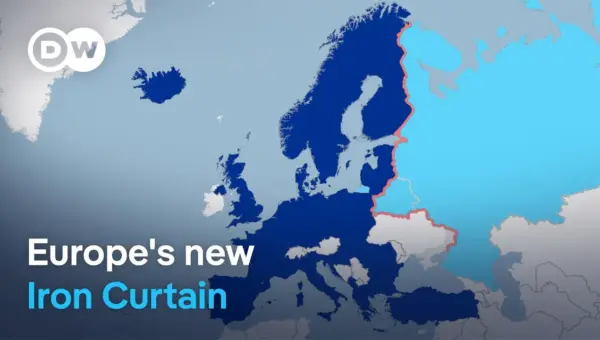
Russia Poses Greater Threat Post-Ukraine War, Expert Warns
A new report warns that Russia may become more dangerous and unpredictable after the war in Ukraine, potentially ushering in a new era of confrontation with Europe. Despite military and economic weakening, Russia's vast resources, strategic mindset, and China's support contribute to its continued threat. Europe faces a critical period of vulnerability as it works to bolster its defenses and adapt to this evolving security landscape.

US Military’s Missile Stockpile Dangerously Low After Iran Conflict
The U.S. military has significantly depleted its missile stockpiles during recent conflict with Iran, raising concerns about national security. Experts warn of a near-term risk of running out of ammunition in future conflicts, with some replacements taking up to six years.

Trump Eyes $500M Spirit Airlines Bailout Amid Bankruptcy Fears
The Trump administration is reportedly considering a $500 million bailout for Spirit Airlines, which is facing bankruptcy and the risk of ceasing operations. The potential deal highlights Spirit's role as a low-fare provider and the impact of rising fuel costs on the airline industry. If approved, the government could take a significant ownership stake in the struggling carrier.