Americans Shun Iran War as Oil Prices Skyrocket
Americans are showing unprecedented discontent with the escalating conflict in Iran, with no "rally around the flag" effect despite soaring oil prices. Geopolitical analysts express shock at the public's apathy, noting a lack of clear communication from the White House regarding the war's objectives and rationale.

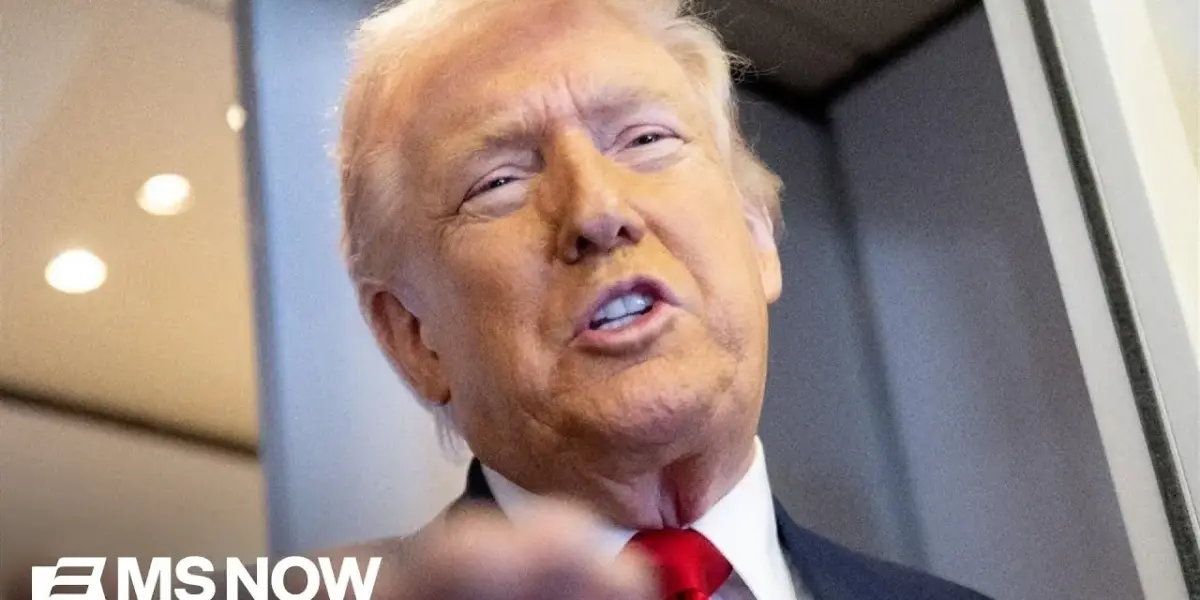
Americans Express Discontent Over Escalating Conflict with Iran Amidst Soaring Oil Prices
In a stark departure from historical wartime responses, a significant portion of the American public is expressing unease and a lack of support for the escalating conflict with Iran. This sentiment is occurring against a backdrop of rapidly increasing global oil prices, a development that geopolitical analysts note is unprecedented in their lifetimes, with no discernible “rally around the flag” effect strengthening President Trump’s approval ratings. The White House, meanwhile, continues to defend its actions, including recent strikes, despite mounting public apprehension and questions from international allies.
Unprecedented Public Apathy and International Concerns
Unlike previous military engagements, the current conflict with Iran has failed to galvanize widespread public support in the United States. Polling data and public commentary reveal a populace already grappling with economic pressures, now further strained by rising costs at the gas pump and beyond.
This disquiet extends to key U.S. Allies, who are seeking clearer objectives and justifications for the military actions. While the administration has broadly outlined goals such as neutralizing Iran’s ballistic missile capabilities and crippling its navy, these explanations have not fully satisfied allies or domestic audiences.
The complexities of international alliances have been highlighted by recent diplomatic friction. The United Kingdom, despite initial reservations from Prime Minister Keir Starmer regarding the use of U.K. Bases, ultimately permitted their utilization. However, President Trump’s subsequent remarks, suggesting that allies who did not initially join the U.S. In its strikes might not warrant U.S. Support, have reportedly caused tension, particularly with Spain, which had also expressed reservations about allowing U.S. Aircraft to land on its bases.
Ripple Effects: Israel’s Strikes and Global Oil Market Volatility
The conflict has seen a significant escalation in recent days, with Israel targeting Iran’s critical oil infrastructure for the first time. These attacks have had immediate and dramatic repercussions on the global oil market, pushing prices to record highs. The ramifications are far-reaching, impacting economies worldwide.
Even staunch supporters of Israel and President Trump, such as Senator Lindsey Graham, have publicly urged restraint, framing their concerns around the careful selection of targets to preserve potential future Iranian infrastructure. However, the pragmatic economic implications are undeniable. In the past 24 hours, Iran has retaliated by targeting oil facilities in Bahrain, the UAE, and Saudi Arabia, further exacerbating the oil price crisis and deepening the regional escalation.
“The escalation really is significant.”
Geopolitics Analyst
Escalation and the Question of Restraint
The ongoing barrage of attacks and retaliations has created a volatile situation. Analysts note that the targeting of oil facilities, a critical component of regional and global economies, is a deeply escalatory move. The subsequent Iranian strikes on neighboring countries’ oil infrastructure demonstrate a clear intent to inflict economic pain and widen the conflict’s reach.
The lack of a defined timeline for the conflict from both the U.S. and Israel adds to the uncertainty. The soaring oil prices are undoubtedly increasing pressure on President Trump and Prime Minister Netanyahu to provide greater clarity on objectives and exit strategies. The administration’s argument that the current economic pain is a “temporary thing” and a “price worth paying” is being closely scrutinized by a public already feeling the pinch.
Unprecedented Public Reaction: “Haven’t Seen This in My Lifetime”
Geopolitical analysts have expressed astonishment at the American public’s reaction, or lack thereof, to the unfolding conflict. Unlike historical precedents, such as the initial public support for the Iraq War, the current situation has seen no significant “rally around the flag” effect. This apathy is particularly striking given the potential for increased casualties and economic hardship.
The lack of clear communication from the White House regarding the “why” and “when” of the conflict is a central point of concern. While the Iranian regime’s actions have been characterized as problematic for years, the sudden escalation into full-blown military action without a transparent explanation leaves the American public questioning the necessity of the sacrifices being made by U.S. Service members.
Iran’s Resilience and the Challenge of Regime Change
The question of whether Iran will be the first to de-escalate remains uncertain. The recent ascension of Moshaba Khamenei, who has personal and ideological grievances, suggests a strong resolve from the Iranian leadership.
Despite significant weakening of the regime due to the loss of key leadership figures, analysts caution against equating this with defeat. Iran’s institutional structure and built-in redundancies suggest a capacity to withstand significant blows without collapsing.
The White House’s approach to Iran’s leadership selection has been characterized by broad statements and a desire for approval of the next Supreme Leader. President Trump has indicated a preference for a leader who garners his approval, suggesting that continued military action could be a consequence of an unfavorable succession. This mirrors comparisons to the situation in Venezuela, where the U.S. has sought a change in leadership that aligns with its interests, rather than necessarily a complete regime overthrow.
Mission Creep and the Prospect of Ground Troops
The conflict shows signs of classic “mission creep,” with initial objectives evolving and the potential for prolonged engagement increasing. The U.S. Defense Secretary has warned of further casualties, acknowledging the grim reality of warfare. While the resolve to finish the fight is emphasized, the possibility of deploying American boots on the ground has not been ruled out, a prospect that further heightens concerns among the public and allies.
The recent interception of a ballistic missile by NATO defenses targeting Turkey highlights the widening scope of the conflict and the potential for NATO involvement, a move that could draw European nations deeper into the war. While some Gulf nations have experienced a slight reduction in drone attacks, the overall threat remains significant.
Unanswered Questions and Future Outlook
As the conflict intensifies and economic pressures mount, the White House faces mounting pressure to provide clear answers to the American people. The lack of transparency regarding the justifications for war and the rationale behind the escalating sacrifices is fueling public skepticism.
The coming weeks will be critical in determining whether diplomatic solutions can be found to de-escalate the situation before it engulfs more of the region and further strains global economic stability. The international community watches closely, hoping for a de-escalation before more countries are drawn into the conflict and more lives are lost.
Source: 'Have not seen this in my lifetime': Geopolitics analyst on Americans' reaction to Iran war (YouTube)

Related Articles

Iran Faces $160 Billion Annual Loss From U.S. Blockade
Iran faces crippling economic pressure from a U.S. naval blockade, costing an estimated $450 million daily. This financial strain threatens Iran's ability to meet basic expenses and fund its government. The U.S. demands unconditional surrender, including halting nuclear activities and opening key shipping lanes.


Gerrymandering Backfires on GOP Amidst War Woes
Democrats have gained a significant advantage in Virginia following a vote to redraw congressional maps, potentially delivering more seats in the midterms. Meanwhile, President Trump faces sinking approval ratings amid the ongoing Iran war and economic concerns. The White House strategy is shifting as redistricting battles and international conflicts continue to shape the political landscape.

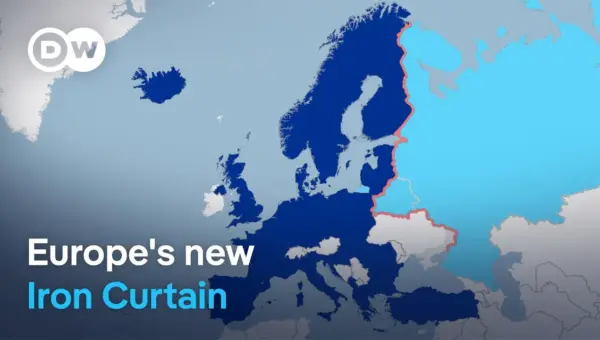
Russia Poses Greater Threat Post-Ukraine War, Expert Warns
A new report warns that Russia may become more dangerous and unpredictable after the war in Ukraine, potentially ushering in a new era of confrontation with Europe. Despite military and economic weakening, Russia's vast resources, strategic mindset, and China's support contribute to its continued threat. Europe faces a critical period of vulnerability as it works to bolster its defenses and adapt to this evolving security landscape.