Oil Prices Surge, Markets Tumble Amid Mideast Conflict Fears
U.S. markets tumbled as oil prices surged past $100 a barrel amid escalating Middle East tensions, sparking fears of stagflation. The disruption of the Strait of Hormuz, a critical global oil transit point, is driving up energy costs, impacting consumers and businesses worldwide.

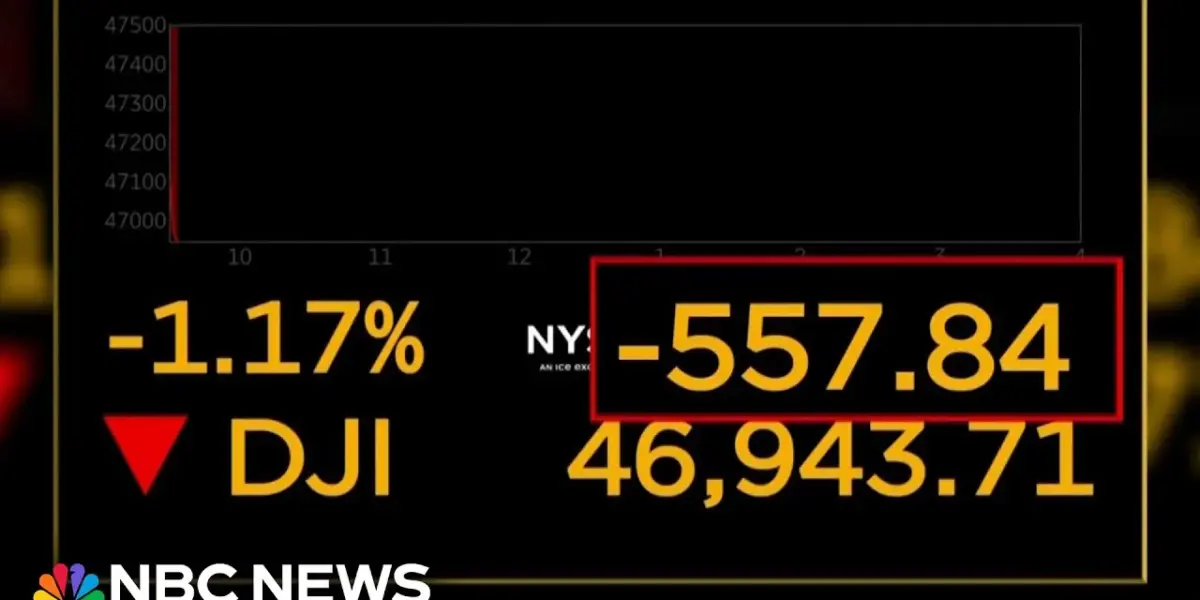
Markets Plunge as Crude Oil Tops $100 Amid Escalating Middle East Tensions
Wall Street opened to a sharp decline on Monday, with the Dow Jones Industrial Average plummeting as anxieties over the escalating conflict in the Middle East sent shockwaves through global markets. The dramatic downturn followed a significant spike in U.S. Oil prices, which surged past $100 a barrel for the first time since 2022. This critical development has reignited fears of stagflation – a perilous economic scenario characterized by rising inflation coupled with slowing economic growth.
Energy Crisis: Oil Prices Skyrocket Amid Strait of Hormuz Disruption
The surge in oil prices is directly linked to the escalating conflict in the Middle East, particularly the disruption of vital shipping lanes. “Before the US and Israel launched airstrikes on Iran, oil prices were $67 a barrel. So in a matter of just over a week, ten days now, you’ve had a dramatic increase in a very core cost for business and governments,” reported NBC News Senior Business Correspondent Christine Romans.
A major concern is the effective closure of the Strait of Hormuz, a chokepoint through which approximately one-fifth of the world’s oil supply transits. This blockage has led to a situation where oil producers have filled storage facilities and are consequently reducing output, with significant knock-on effects on global energy availability and timelines for restoring normal production.
Economic Fallout: Stagflation Fears and Central Bank Dilemmas
The combination of soaring energy costs and signs of economic weakness has economists and policymakers deeply concerned about the specter of stagflation. “That is the worst word in the economic dictionary – stagflation,” Romans emphasized. “It is something we haven’t seen very many times.
And when we’ve had it’s been very dangerous and difficult to get out of.” The situation is particularly challenging for central banks, including the U.S. Federal Reserve. “You want to cut interest rates if the job market is falling, faltering, which it appears to be, but you want to raise interest rates if you’ve got an inflation problem, which seems to be possible as well. So that means that policymakers don’t have a lot of wiggle room here,” she explained.
The average consumer inflation for the year could reach 3% to 3.5%, well above the Fed’s target, further complicating monetary policy decisions. This contrasts sharply with recent positive trends, where falling gas prices had offered some relief to American families and were even cited by the President as a sign of inflation being under control.
Broader Economic Impacts: Consumers and Businesses Feel the Pinch
The ripple effects of the oil price shock extend far beyond the financial markets. Rising diesel and jet fuel prices directly impact the costs for truckers and farmers, increasing operational expenses. For consumers, this translates to potentially higher prices for goods transported by road and, more expensive airline tickets.
“If you are looking to buy an airline ticket, the airline CEOs are watching how those higher costs are going to make airline tickets more expensive,” Romans noted. “So there are just a lot of different ways that what’s happening very far away has very material, material effects on the American pocketbook.” Bank of America economists have highlighted that while families could tolerate rising prices for other goods when gas prices were falling, this affordability cushion has now vanished. The immediate concern is how this will affect consumer spending and the viability of small businesses.
Navigating Uncertainty: What’s Next for Oil Prices and the Economy?
The path forward remains uncertain, with the duration of the Middle East conflict and its impact on oil supply being key variables. While futures markets show some oil prices at lower levels further out, suggesting an eventual resolution, the timeline for such a stabilization is unknown. “Eventually this will likely work.
But we don’t know if that’s days, if that’s weeks, if that’s months. And in the near term, it means families right now are paying more money to fill up their gas tank,” Romans stated. Some advice circulating among consumers includes filling up gas tanks when possible and booking travel sooner rather than later.
In terms of policy responses, the market is watching for potential actions from G7 countries and the White House to mitigate rising oil prices. Options like tapping into the Strategic Petroleum Reserve or utilizing global energy surpluses exist, but the unprecedented nature of the Strait of Hormuz disruption means there is no clear playbook for managing this specific crisis. The global nature of the oil market, coupled with the significant disruption in a key supply route, presents a unique challenge with no easy solutions in the immediate future.
Source: Markets slide as oil prices rise amid the Iran conflict (YouTube)

Related Articles
US Sanctions Cripple Iran: Regime on Financial Brink
Intense U.S. economic sanctions have pushed Iran to the brink of financial collapse, crippling its military and weakening its currency. Divisions within the Iranian regime are widening, exposing leadership struggles. This strategy aims to force negotiations or lead to the regime's downfall.

Lebanon, Israel Peace Talks: Land & Security Top Agenda
Peace talks between Lebanon and Israel are set to take place in Washington D.C., with land and security as key issues. The conflict in Southern Lebanon has displaced over a million people, and a firsthand account reveals the devastating human cost. Hezbollah's absence from the talks adds complexity, while the outcome could impact U.S.-Iran relations.

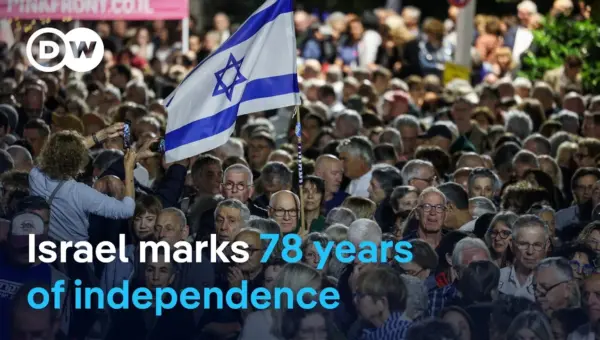
Israel Marks 78 Years Amid War, Deep Political Divides
Israel celebrated its 78th Independence Day amidst ongoing wars and deep political divisions. Official ceremonies were marked by somber reflections, while alternative events highlighted concerns over democracy. The nation grapples with unresolved security issues and complex international relations.