Greens Triumph in German State Election, Defeating Conservatives
Germany's Green Party has secured a historic victory in a key state election, defeating the conservative CDU and showcasing a flexible approach to environmental policy. The win carries significant implications for Chancellor Olaf Scholz's national coalition, particularly due to the Social Democrats' major defeat.

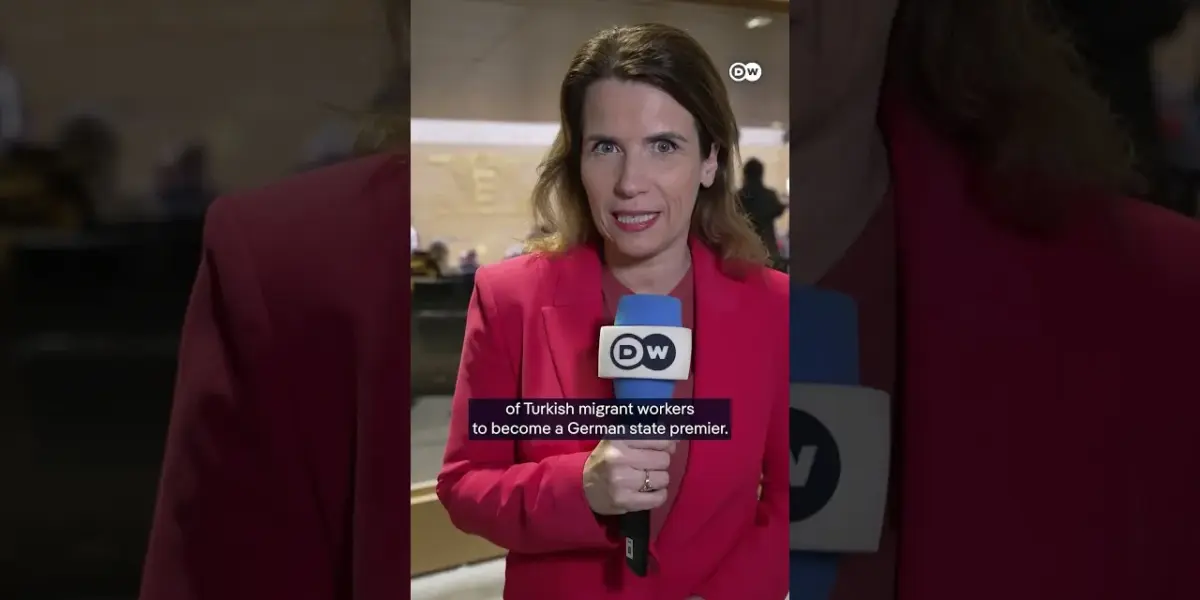
Greens Secure Historic Victory in Key German State Election
In a significant political development, Germany’s Green Party has emerged victorious in a crucial state election, dealing a substantial blow to the conservative CDU party’s aspirations to lead the next regional government. The win, particularly noteworthy in what is considered Germany’s most important automotive state, signals a shifting political landscape and a successful, albeit regionally specific, “flexi-green” approach. The outcome also presents new challenges for Chancellor Olaf Scholz’s national coalition government.
A Landmark Win for the Greens
The Green Party’s candidate, who is set to make history as the first German state premier of Turkish migrant worker descent, successfully navigated the electoral terrain with a campaign that emphasized flexibility. This included a willingness to be adaptable on the timeline for phasing out combustion engines – a departure from traditional Green Party policy but one that resonated with voters in this economically vital region. This pragmatic approach, dubbed “flexi-greenland” by observers, appears to have been key to the victory.
“I’m the child of guest workers. So I see this also as an obligation to help every child uh to develop its full potentials.”
The newly elected leader’s background as the son of guest workers underscores a broader narrative of inclusion and opportunity, with his victory framed as an obligation to foster the potential of all children in the state. This personal story adds a compelling human dimension to the political triumph.
Key Takeaways from the Election Results
The results of this state election offer several critical insights into the current state of German politics:
- The Dominance of Major Parties: The real political contest in Germany continues to be primarily between the conservative CDU/CSU bloc and the far-right Alternative for Germany (AfD). The AfD, in particular, has demonstrated its growing influence by achieving significant double-digit results in another West German state.
- Regional Adaptability is Possible: Despite the national trends, the election proves that significant regional exceptions are achievable. The Green Party’s success highlights the importance of tailoring political strategies to local concerns and economic realities.
- Implications for the National Coalition: The outcome poses considerable difficulties for Chancellor Olaf Scholz’s national coalition government. The Social Democratic Party (SPD), Scholz’s coalition partner, suffered a “crushing defeat” in the same election. A weakened SPD is less likely to agree to potentially unpopular or painful reforms that may be necessary at the federal level, potentially leading to increased friction within the governing coalition.
Broader Context and Future Implications
This election takes place against a backdrop of significant challenges for Germany, including the ongoing energy transition, economic pressures, and the need to integrate diverse populations. The automotive industry, a cornerstone of the region’s economy, is undergoing a profound transformation, and the election results suggest that voters are looking for pragmatic solutions that balance environmental goals with economic stability. The Green Party’s success in adapting its message to appeal to a broader electorate, particularly on issues like the combustion engine phase-out, could serve as a model for other regional contests.
The national implications are particularly stark. The SPD’s poor performance weakens Chancellor Scholz’s political capital and complicates his ability to push through his agenda. The traditional center-left party’s decline is a worrying sign for the coalition, potentially emboldening the opposition and creating a more fractious political environment ahead of future elections.
Looking Ahead
With four more regional elections scheduled for this year, all eyes will be on the Green Party headquarters to see how they interpret and apply the lessons learned from this pivotal victory. The national government will be closely watching the SPD’s ability to recover and its willingness to engage in necessary reforms.
The continued rise of the AfD also remains a significant factor shaping the future of German politics. The “flexi-green” strategy’s replicability and the national coalition’s stability will be key areas to monitor in the coming months.
Source: Germany's Green Party wins a key state election | DW News (YouTube)

Related Articles

Germany-Israel Ties Tested Amid Policy Differences
Germany and Israel are experiencing strains in their relationship, marked by a lack of top-level cabinet talks since 2018 and differing views on the two-state solution and the Gaza conflict. Despite these policy gaps, Germany demonstrated significant political engagement with Israel following the October 7th attacks, sending numerous high-ranking officials.

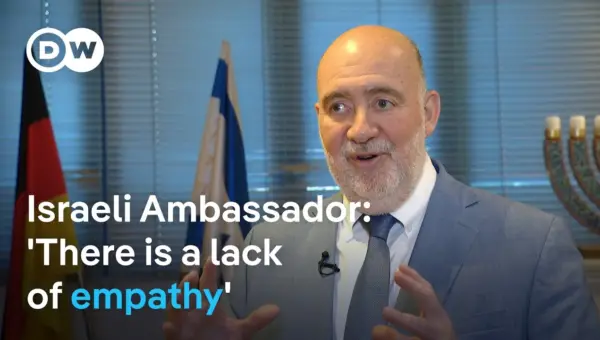
Israel Envoy Cites ‘Lack of Empathy’ Amid Regional Tensions
Israeli Ambassador Ron Prosor spoke from Berlin about the dual significance of remembrance and independence days, amid ongoing regional conflicts. He highlighted a perceived lack of empathy towards Israel internationally and discussed the rise of antisemitism in Europe, urging stronger global solidarity.


Germany, Brazil Seek New Alliances Amidst Trump Tensions
Germany and Brazil are forging independent paths amidst U.S. policy shifts, emphasizing diplomacy and enhanced international cooperation. Both nations are strengthening economic and defense ties to navigate global instability and reduce reliance on a single superpower.