Germany, Brazil Seek New Alliances Amidst Trump Tensions
Germany and Brazil are forging independent paths amidst U.S. policy shifts, emphasizing diplomacy and enhanced international cooperation. Both nations are strengthening economic and defense ties to navigate global instability and reduce reliance on a single superpower.

Global Powers Chart New Course Amid US Uncertainty
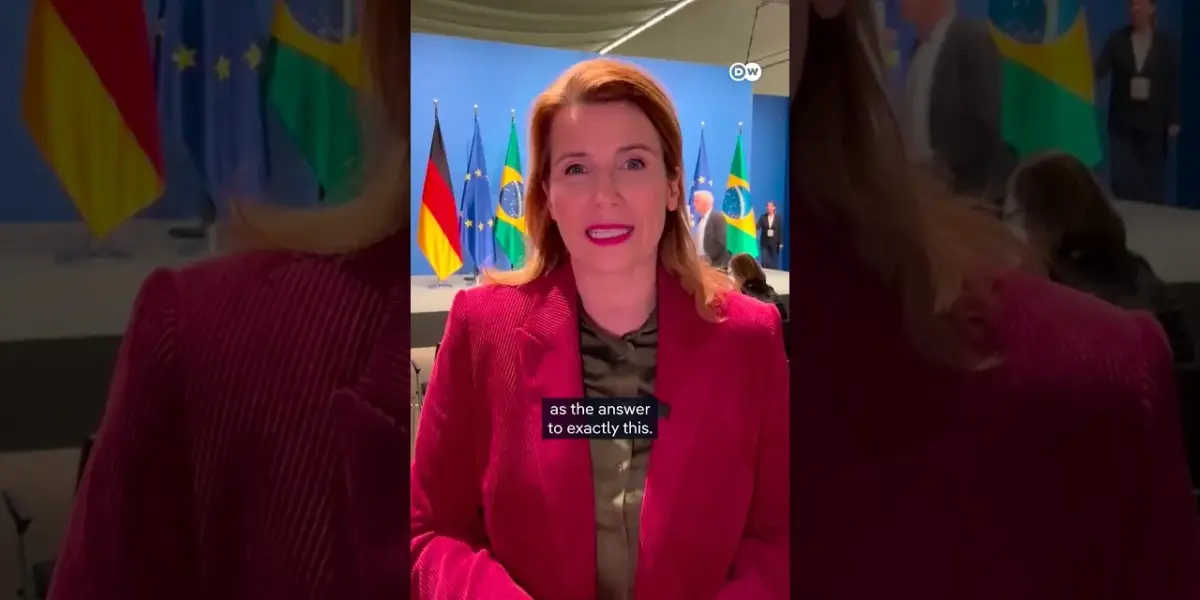
Germany and Brazil are actively working to navigate the complex international landscape shaped by the policies of U.S. President Donald Trump. Both nations, representing major economies, are employing distinct strategies to counter what they perceive as disruptions to global stability. Their efforts signal a broader trend of countries seeking to build stronger alliances and reduce reliance on a single superpower.
Germany’s Call for Diplomacy and Diversification
German Chancellor Angela Merkel has voiced strong concerns over escalating global conflicts, noting that the world is experiencing a high level of conflict since World War II. She emphasized Germany’s commitment to international cooperation and peaceful resolution of disputes.
“Diversification in cooperation instead of isolation against each other. That is the path we are taking,” Merkel stated, highlighting a preference for multilateral engagement over unilateral actions.
Merkel’s administration is actively pursuing a strategy of working with other nations to maintain global order. This involves strengthening economic and political ties with a variety of partners. The goal is to create a more stable international environment by building consensus and shared interests, rather than succumbing to protectionist pressures.
Brazil’s Focus on Economic and Defense Cooperation
Brazil, under President Luiz Inácio Lula da Silva, is also charting a course independent of U.S. policy shifts. Brazil has been less affected by the recent geopolitical tensions surrounding Iran.
President Lula has stressed the importance of diplomacy, cautioning against unnecessary conflict. “I can only give the urgent advice that if there are conflicts, seek this path through diplomatic means and peacefully, and not start a new conflict in the world unnecessarily, which would also only create additional problems,” he advised.
In a significant move towards deeper collaboration, Brazil has doubled its orders for frigates from Germany. This defense cooperation aims to secure vital raw materials and enhance mutual security.
It represents a concrete step in strengthening bilateral ties and fostering economic interdependence. This partnership also is a signal to other nations about Brazil’s commitment to building robust international relationships.
Navigating Global Instability
The current global climate presents significant challenges, with existing international frameworks under strain. Both Germany and Brazil are sending clear messages that rules-based powers can and will find ways to cooperate and operate effectively, even when faced with unpredictable policies from major players like the United States. Their actions demonstrate a desire to maintain stability and predictability in international relations.
“Brazil is one of the countries least affected by the madness of the war with Iran. And today the world lives the largest amount of conflict in its history after the Second World War.” – Brazilian President Luiz Inácio Lula da Silva
Broader Implications and Future Outlook
The strategies adopted by Germany and Brazil suggest a growing desire among nations to build a more resilient and diversified international system. By strengthening alliances and pursuing diplomatic solutions, these countries are attempting to mitigate the risks associated with geopolitical uncertainty. Their continued cooperation could influence the broader global response to international challenges in the coming years.
The coming months will be crucial as these nations continue to strengthen their partnerships. Observers will be watching to see how these alliances evolve and whether they can effectively counter global instability. The success of these collaborative efforts may enable a more multi-polar world order.
Source: How Germany and Brazil work to escape the Trump trap | DW News (YouTube)

Related Articles


Lebanon Warily Watches Ceasefire, Hopes for Lasting Peace
Four days into a ceasefire, Lebanon cautiously welcomes the return to normalcy but remains deeply distrustful of its longevity. The proximity to Israel fuels apprehension, despite a diplomatic meeting scheduled for Thursday in Washington D.C. offering a glimmer of hope for lasting peace.


Pakistan Courts US Ties Amidst Iran Talks
Pakistan's Interior Minister met with U.S. Chargé d'Affaires Natalie Baker, discussing strengthened ties and preparations for upcoming U.S.-Iran talks in Islamabad. Baker praised Pakistan's role in easing regional tensions, highlighting the nation's growing diplomatic importance.
Trump’s Tactics Threaten Iran Peace Talks, Analyst Warns
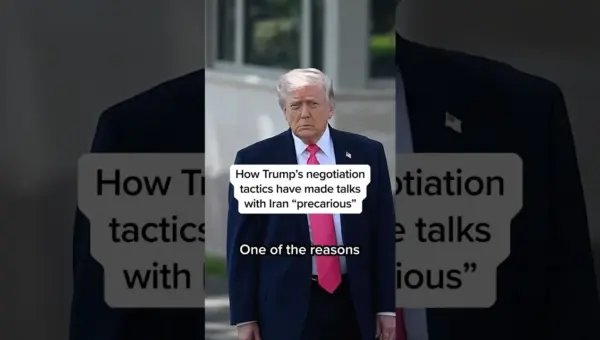
Vice President JD Vance is set to lead new peace talks with Iran in Pakistan. Analyst David Rohde warns that former President Trump's unpredictable negotiation tactics may have created deep distrust, making current diplomatic efforts precarious. This history could force the U.S. back to square one in its quest for peace.