Iran Conflict: US Faces Unexpected Resilience Amid Escalating Tensions
The U.S. faces an unexpectedly resilient Iran amidst escalating regional tensions, marked by Iranian drone and missile attacks and Israeli strikes. Experts question the feasibility of the U.S.'s stated goals of regime change, citing intelligence assessments and lessons from past interventions.

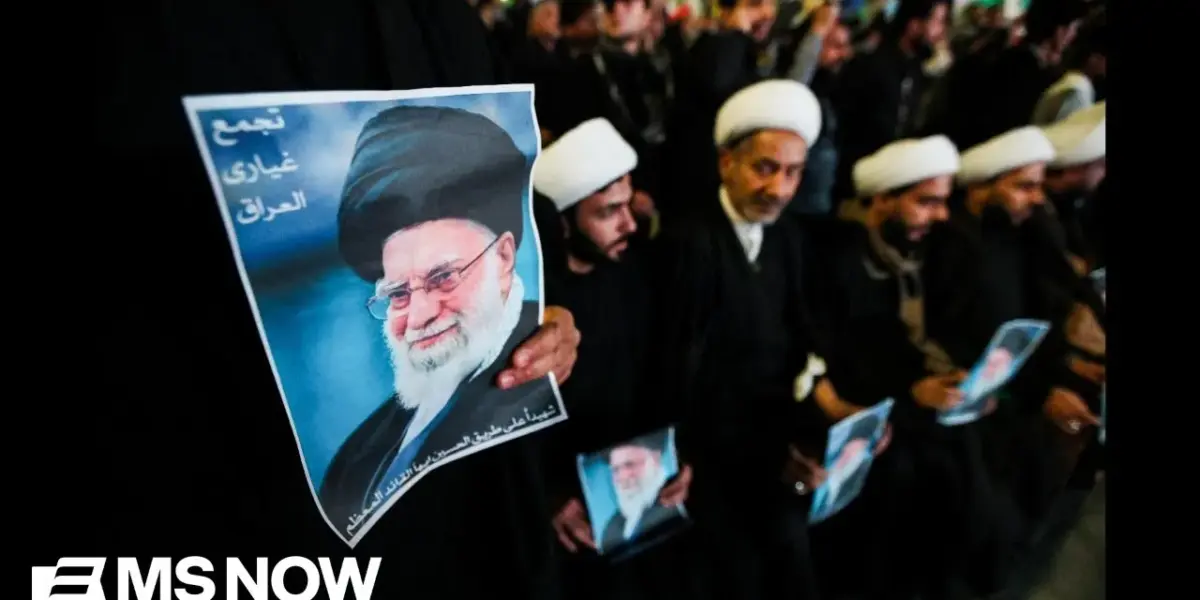
Middle East on Edge as US-Iran Tensions Escalate
In a rapidly developing situation in the Middle East, the United States finds itself engaged in a conflict with Iran that appears to be unfolding with unexpected complexities. Overnight, the Israeli military confirmed strikes on an oil storage facility in Tehran, resulting in a significant explosion and towering flames. Simultaneously, Kuwait, Bahrain, the United Arab Emirates, and Saudi Arabia reported ongoing efforts to repel Iranian drone and missile attacks.
The UAE stated that Iran has launched 16 ballistic missiles and 117 drones in recent barrages. Iran’s Foreign Ministry, however, characterized these actions as defensive operations against U.S. military bases in the region, asserting they are not intended as hostility towards neighboring countries.
Trump Administration’s Stance and Intelligence Assessments
The escalating conflict comes as President Trump has indicated the U.S. is not seeking a settlement with Iran. This stance was reiterated during a visit to Dover Air Force Base, where the President attended the dignified transfer of six Americans killed in the conflict.
When questioned by reporters about the possibility of further American casualties, President Trump offered responses that some observers have characterized as a “blasé attitude” towards the costs of war. He also addressed concerns about potential retaliatory attacks on American soil, suggesting that any direct military intervention in Iran would result in the “decimation” of opposing forces.
However, a classified report by the National Intelligence Council, completed shortly before the current hostilities, reportedly found that even a large-scale U.S. Assault would be unlikely to dislodge Iran’s established military and clerical leadership. This intelligence assessment, confirmed by multiple sources to The Washington Post, contrasts sharply with President Trump’s stated objective of “cleaning out Iran’s leadership structure and installing a ruler of his choosing.” Experts suggest this disparity raises questions about the feasibility of the administration’s goals and whether they represent a realistic strategy or an “unachievable goal.”
Challenges in Covering the Conflict
Veteran Pentagon reporter Nancy Yousef highlighted the unprecedented difficulty in covering this particular conflict. Unlike previous wars, there has been a lack of public discourse regarding the reasons for the current engagement. Access for reporters to the front lines, whether embedded with troops or operating independently, has been severely restricted.
Access to Pentagon decision-makers for insights into war assessments is also limited. “We can’t go onto ships or go to bases, and we can’t go into Iran to see what’s happening,” Yousef explained. This lack of granular information makes it challenging to assess the military situation, the impact on the Iranian population, and the effectiveness of strikes aimed at achieving a change in leadership.
Iran’s Resilience and Potential for Escalation
John Feiner, former principal deputy national security advisor in the Biden administration, observed that the Iranian regime appears “more resilient than maybe the United States and Israel expected.” He noted that despite casualties among officials, new individuals are stepping into leadership roles. The military continues to conduct operations against Gulf and U.S. Targets, suggesting that regime change remains an elusive objective for now. The administration’s maximalist approach, including demands for “total surrender,” is seen by some as increasingly detached from the reality on the ground.
Lessons from Past Interventions and Future Concerns
Megan O’Sullivan, former deputy national security advisor and director at Harvard Kennedy School’s Belfer Center, drew parallels and distinctions with past interventions, particularly the 2003 Iraq War. She emphasized that historical records indicate air power alone has not been sufficient to displace regimes. While acknowledging that a full regime change, aiming for an ideological shift rather than just a new figurehead, might necessitate “boots on the ground,” O’Sullivan expressed concerns about significant domestic and international political opposition to such a move.
She also voiced apprehension regarding open-source chatter about arming Kurdish forces within Iran to act as a ground force. “This could signal a very significant escalation and could have all kinds of unintended consequences,” she warned, including increased Iranian nationalism and the potential fracturing of the country.
O’Sullivan also cautioned against underestimating the difficulty of building democratic regimes, referencing the protracted and costly efforts in Iraq. While Iran possesses a deeper history of constitutionalism and decades of democratic agitation, she pointed out the absence of a clear, ready-to-govern democratic opposition, echoing concerns previously raised about the feasibility of the U.S. Objectives.
Personal vs. National Security Motivations
The question of whether President Trump’s decision to intervene militarily is driven by national security concerns or personal motivations remains a subject of debate. Nancy Yousef noted that Iran has posed challenges to every U.S. President since Jimmy Carter, yet none have opted for military intervention. She suggested that Israel’s calculation, possibly influenced by events in Gaza, may involve a willingness to take greater risks for regional stability.
For President Trump, Yousef posited, his high-stakes approach to policy, coupled with a desire to make his presidency a defining legacy, could be significant factors. References to assassination attempts against him also suggest a potential personal dimension to the decision-making process.
Looking Ahead
As the situation continues to evolve, the focus remains on the administration’s next steps, the resilience of the Iranian regime, and the potential for further escalation. The international community watches closely, weighing the strategic objectives against the significant risks and the lessons learned from past military engagements in the region. The effectiveness of intelligence assessments versus presidential directives, and the long-term implications for regional stability, will be critical factors to monitor in the coming weeks and months.
Source: Iran seems ‘more resilient’ than the U.S. Expected: Top Dem national security official (YouTube)

Related Articles

Iran’s Leaders Locked in Bitter Feud, Analyst Reveals
Iran's leadership is deeply divided and struggling to make decisions under U.S. pressure and economic sanctions. Analyst Cheyenne Shami believes the U.S. holds the upper hand, and Iran faces difficult choices that could lead to internal purges or regime collapse.

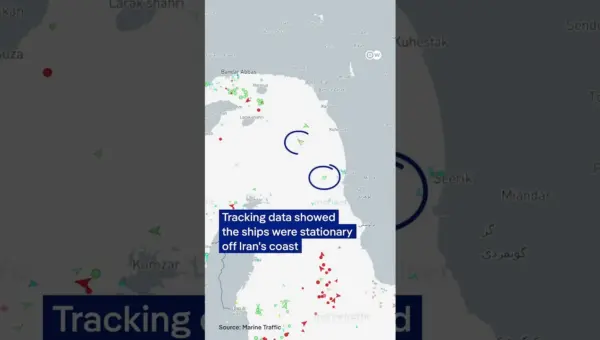
Iran Seizes Ships in Strait of Hormuz Amid Tensions
Iranian soldiers have seized two container ships in the Strait of Hormuz, a vital global shipping lane. Footage aired by state television shows the military operation amid heightened regional tensions. The incident raises concerns about maritime security and potential disruptions to international trade and energy supplies.


Navy Secretary Departs Amid Tensions with Iran
U.S. Navy Secretary John Felon is departing the Trump administration amidst escalating tensions with Iran and a standoff in the Strait of Hormuz. The move fuels speculation about internal disagreements over foreign policy as domestic pressures and criticism from media figures mount. The administration's strategy appears focused on economic sanctions to pressure Iran into negotiations.