UK Navigates Iran Tensions Amidst Defense Woes and Political Flux
The UK faces complex geopolitical challenges amid escalating Iran tensions, prompting a review of defense capabilities and a cautious approach to intervention. Domestic politics are also in flux, with scrutiny on Reform UK's electoral prospects and Labour's internal divisions over immigration policy.

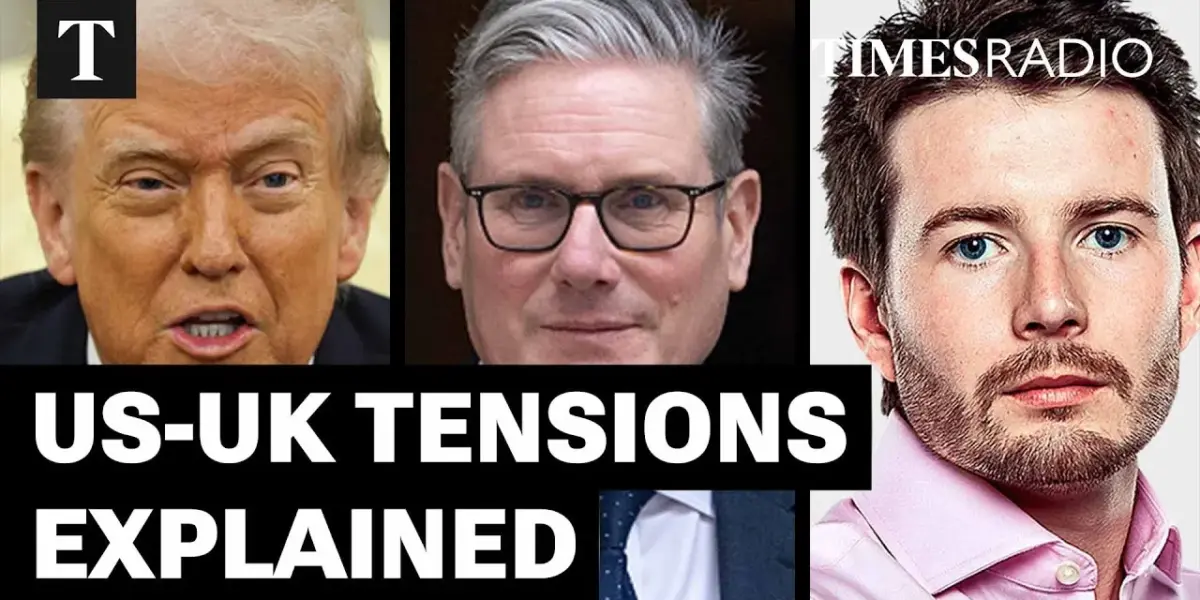
UK Faces Complex Geopolitical Crossroads Amidst Iran Conflict
In a period of heightened international tension, the United Kingdom finds itself navigating a precarious geopolitical landscape, particularly in relation to the escalating conflict involving Iran. Downing Street is reportedly adopting a long-term strategy, anticipating that the conflict could extend for weeks, if not months. This approach underscores a significant shift from the expectation of a swift resolution, as the Foreign Office operates on the premise of sustained engagement.
Debate Over UK’s Role and Lessons from Past Interventions
A key point of discussion has been the extent of the UK’s potential involvement. Recent statements from Deputy Prime Minister David Lammy suggested a legal basis for Britain to engage militarily in defense of allies and nationals. However, Downing Street quickly moved to clarify its position, emphasizing that its stance has not fundamentally changed, a move characterized by some as “dancing on the head of a pin.”
The shadow of the Iraq War looms large, with Downing Street repeatedly asserting that lessons have been learned. This perspective suggests a cautious approach to direct military intervention, particularly in situations where a clear exit strategy or plan is absent. The danger of protracted involvement without a defined objective is a significant concern, potentially leading to outcomes where a more measured, non-interventionist stance could be perceived as statesmanship.
Defense Capabilities Under Scrutiny: The Case of HMS Dragon
Amidst these geopolitical considerations, the UK’s defense capabilities are facing intense scrutiny. The planned deployment of HMS Dragon to Cyprus highlights a gap in naval presence in the Eastern Mediterranean, the first such absence since the 1980s. This deployment, while intended to protect the Akrotiri base, comes at a time when the Royal Navy is grappling with significant challenges.
These challenges include aging vessels that are struggling with maintenance and a substantial loss of experienced sailors. In the past year alone, the Navy reportedly lost 1,500 sailors, equivalent to the capacity of approximately ten frigates.
While recruitment efforts are underway, the time required to train new personnel means that these issues are not quickly resolved. The HMS Dragon’s journey to Cyprus, expected to take a week, further illustrates the logistical complexities and the strain on current resources.
Defense Spending: A Persistent Blind Spot
The commitment to increase defense spending has been a recurring theme, yet its practical implementation remains uncertain. Critics point to a historical trend of successive governments scaling back defense budgets since the Iraq War, creating a “blind spot” in national security preparedness. While pledges have been made by various political leaders to boost spending as a percentage of GDP, the question of ‘when’ and ‘how’ such increases will materialize is paramount, especially given the current economic climate and forecasts suggesting limited fiscal flexibility.
Historical data reveals a stark contrast: defense spending in 1961 represented approximately 7.8% of GDP, a significantly higher proportion than the current 2.3%, despite a much smaller national economy at the time. This comparison highlights the scale of the reduction in defense investment over the decades.
UK-US Relations: Navigating Trump’s Influence and Diplomatic Channels
The relationship between the UK and the United States, particularly concerning potential interactions with Donald Trump, is also a focal point. While Keir Starmer’s approach to managing relations with the US has been described as carefully navigating a delicate path, Trump’s criticisms of Starmer have been notable. The former president’s administration was reportedly displeased when British bases were not utilized for certain operations.
In private, there’s a sentiment within Downing Street that maintaining the current course is appropriate. The analogy is drawn that while “Starmer is no Churchill,” the counterpoint is that “Trump is no Roosevelt.” This suggests a recognition of Starmer’s limitations while simultaneously highlighting concerns about Trump’s leadership style and vision.
The unique relationship Trump has with the British Royal Family is seen as a potential diplomatic asset. There is speculation about whether private discussions could be initiated, possibly involving the King, to leverage this connection. The King’s potential visit to the US is viewed by some as a significant diplomatic opportunity that could be strategically managed.
Reform UK’s Electoral Performance and Immigration Policy Debate
Beyond international affairs, domestic political dynamics are also in flux. The electoral performance of Reform UK is under scrutiny, with recent by-election results and polling data suggesting a potential decline in support. A recent Labour gain in a council by-election, previously held by Reform, is seen as an indicator of shifting political tides.
Polling data indicates Reform UK, while still in second place, has seen a dip in support, with other parties like the Green Party gaining ground. The upcoming local elections are expected to provide a clearer picture of the political landscape. Concerns are being raised about the practical governance of areas currently led by Reform councillors, with reports of significant council tax increases and internal party strife, contrasting with their promises of lower costs and stable governance.
Immigration Policy: A Contentious Issue for Labour
Immigration policy remains a contentious issue, particularly for the Labour Party. A recent Home Office proposal offering financial incentives to failed asylum seekers to leave the country within a specified timeframe has been met with mixed reactions. While the government touts it as a cost-saving measure compared to hotel accommodation, leaked communications reveal significant internal dissent within the Labour Party.
A significant number of Labour MPs reportedly expressed reluctance to support or promote this policy, highlighting the party’s challenge in balancing a desire to appear tough on immigration with the views of its backbenchers. This internal division highlights the complexity of addressing immigration in the current political climate.
Looking Ahead: Key Developments to Watch
As the international situation evolves and domestic political currents shift, all eyes will be on the UK’s response to the Iran conflict, the ongoing debate surrounding defense spending and capabilities, and the unfolding electoral performance of political parties in upcoming local elections. The ability of the government to effectively manage these complex challenges will be critical in shaping the nation’s future trajectory.
Source: ‘Starmer is No Churchill, But Trump Is No Roosevelt’ | Times Expert Analyses UK-US Relations On Iran (YouTube)

Related Articles


Trump’s Iran Strategy: Bravado Hides Deep Fears, Report Says
New reporting from The Wall Street Journal suggests President Trump's aggressive public stance on Iran hides deep fears, particularly regarding American casualties and past U.S. failures like the 1979 hostage crisis. The report details his internal struggle between bold pronouncements and anxieties about military action, highlighting a complex and sometimes contradictory approach to foreign policy.

PM Faces Fury Over Mandelson Security Scandal
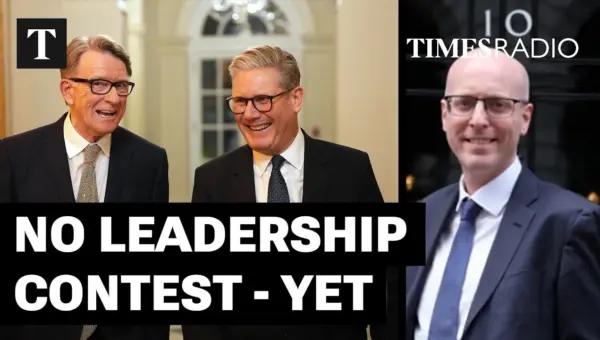
Prime Minister Keir Starmer is facing intense scrutiny after it was revealed Peter Mandelson received the highest level of security clearance ('Strap 3') despite failing initial vetting. Starmer's office plans to blame Sir Olly Robbins, the outgoing head of the Foreign Office, for not disclosing the vetting failure. The controversy raises questions about whether Parliament was misled and could lead to legal battles.

Trump Struggles to End Iran War Amid Shifting Tactics
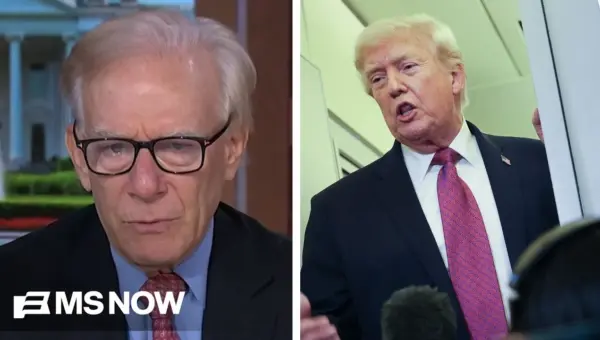
Tensions between the U.S. and Iran escalate as a fragile ceasefire comes under pressure, marked by accusations of violations and the seizure of an Iranian cargo ship. President Trump faces challenges in ending the conflict, with public opinion leaning against U.S. involvement and Iran reportedly feeling emboldened.