Trump’s War on Iran: A Self-Inflicted Crisis?
An analysis of recent events suggests that Donald Trump's rhetoric and actions may have inadvertently escalated tensions with Iran, leading to American casualties and empowering adversaries. The piece questions the strategic rationale and justifications for the ongoing conflict.

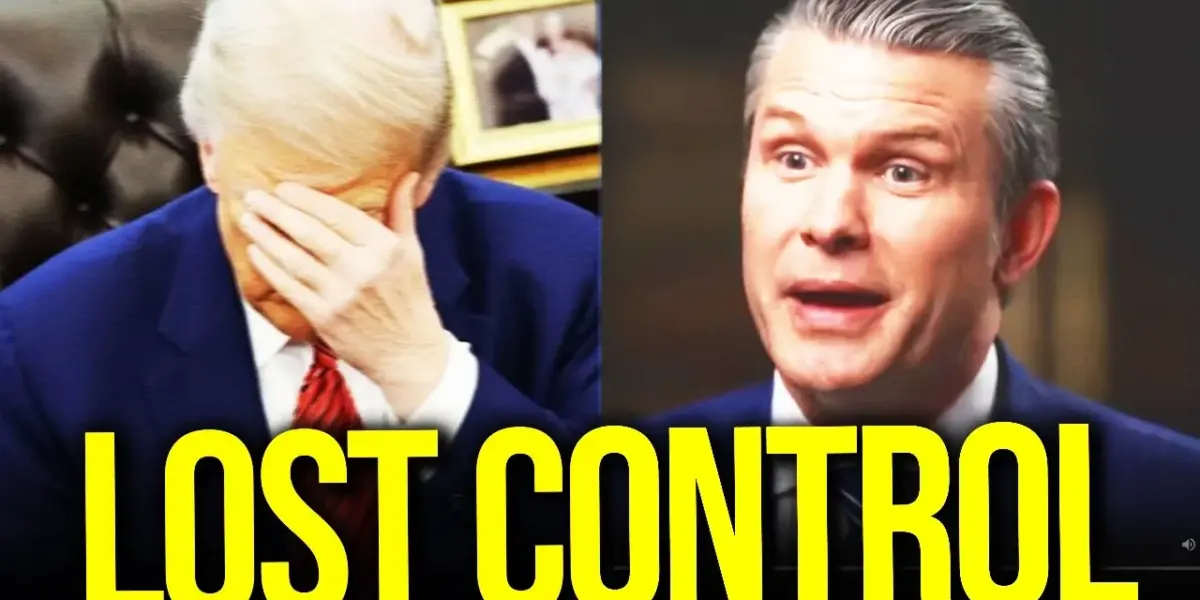
Trump’s War on Iran: A Self-Inflicted Crisis?
In the volatile landscape of Middle Eastern geopolitics, recent events have ignited a firestorm of controversy and concern, particularly surrounding the actions and rhetoric of former President Donald Trump. A recent analysis of a YouTube transcript highlights a complex web of accusations, counter-accusations, and strategic missteps that, according to the analysis, may have inadvertently escalated tensions and jeopardized American interests. The core of the argument suggests that a chain of events, initiated by Trump’s pronouncements and actions, has backfired, potentially strengthening adversaries and endangering U.S. troops.
The Escalation Cycle
The analysis posits that the current conflict with Iran, which the speaker frames as a “war” initiated by Trump and Israeli Prime Minister Netanyahu, has led to significant loss of life and economic strain. The argument unfolds as follows: following initial U.S. and Israeli strikes, Iran, described as “cornered,” began retaliating aggressively against neighboring countries and U.S. Bases. In response to this heightened aggression, Trump allegedly lifted Russian sanctions to allow India to purchase more oil, thereby increasing global supply.
However, the transcript suggests that this move inadvertently provided Russia with additional revenue, which was then used to aid Iran, including providing intelligence on U.S. Positions and movements. This, the analysis contends, amounts to “funding our own enemy” and has resulted in the deaths of U.S. troops and the destruction of military equipment, all without a clear strategic objective.
Trump’s Provocative Rhetoric
A key element of the critique centers on Donald Trump’s public statements, particularly a Truth Social post that taunted Iran. After some Iranian officials reportedly announced a cessation of bombing their neighbors, Trump declared that Iran had “apologized and surrendered.” He further warned that Iran “will be hit very hard” and that new, unspecified civilian populations could become targets. This rhetoric, the analysis argues, is not only inflammatory but also strategically unsound.
It is seen as an attempt to provoke Iran further, potentially leading to a tit-for-tat escalation. The transcript notes that an Iranian official responded to Trump’s threat by stating that Iran would “seriously examine American regions, forces, and affiliates that have not yet been included in the Iranian armed forces target bank” and would take action if the U.S. Made “unwise” moves.
The White House’s Divergent Approach
The analysis draws a stark contrast between Trump’s aggressive online posturing and the actions of the official White House. While Trump was issuing threats, the White House, according to the transcript, was reportedly posting memes related to video games like GTA and Call of Duty, and using baseball analogies for military strikes.
This perceived disconnect between presidential rhetoric and the administration’s online presence is highlighted as indicative of a potentially unserious or unserious approach to a grave international crisis. The speaker criticizes this as “jingoistic chat GPT” behavior, suggesting a detachment from the real-world consequences of military action and a failure to substantively explain the conflict to the American public.
Misinformation and Contradictory Justifications
A significant portion of the analysis is dedicated to deconstructing the justifications offered for the U.S. military actions against Iran. The transcript challenges several stated reasons, including the initial claims of imminent ICBM threats and Iran’s development of nuclear materials, suggesting these were either unsubstantiated or later debunked.
The stated goals of the intervention appear to have shifted, moving from implied regime change to a less defined objective of replacing the leadership with a U.S.-friendly figure. This perceived lack of clarity and the contradictory nature of the justifications fuel the argument that the U.S. is engaged in a conflict without a clear or achievable end goal.
The Role of Russia and Intelligence Failures
The transcript also touches upon the alarming report from CBS News, citing three sources, that Russia is providing Iran with intelligence on U.S. Positions and movements. This revelation is presented as a critical failure. When questioned about this in a 60 Minutes interview, former CIA Director and Director of National Intelligence John Ratcliffe, identified as “Pete Hegseth” in the transcript’s title, offered a response that the analysis deems dismissive and inadequate.
Ratcliffe stated that the U.S. is “tracking everything” and that commanders are “aware of who’s talking to who.” However, the analysis criticizes this response for failing to take a strong stance against Russian interference and for downplaying the severity of the situation. The speaker argues that this lack of a clear condemnation of Russian actions, coupled with the perceived inability of Trump and his allies to articulate a strong and clear stance on the issue, is deeply concerning.
Nuance in a Complex Conflict
Amidst the critique of governmental actions and rhetoric, the analysis attempts to introduce a degree of nuance. It distinguishes between the Iranian regime, described as “very, very bad” and repressive, and the Iranian citizens, who are portrayed as people desiring freedom and a democratic society.
This distinction is crucial for the speaker, who argues that while the Iranian regime’s actions are reprehensible, it does not justify the U.S. military actions. The speaker asserts that it is possible to acknowledge the brutality of the Iranian regime while simultaneously criticizing the U.S. Approach, suggesting that “things can be bad, but then there can also be nuance.”
Why This Matters
The implications of this analysis are profound. It suggests that a combination of aggressive, potentially reckless rhetoric from a former president, coupled with a lack of clear strategic objectives and potential intelligence failures involving adversaries like Russia, is creating a dangerously unstable situation.
The loss of American lives and the expenditure of vast resources are presented as direct consequences of these perceived missteps. The analysis raises critical questions about accountability, strategic decision-making, and the long-term consequences of escalating conflicts without a well-defined exit strategy or clear justification for the American public.
Implications, Trends, and Future Outlook
The trends highlighted include the increasing use of social media and direct-to-public pronouncements by political figures to shape foreign policy narratives, often bypassing traditional diplomatic channels. This can lead to rapid escalation and a lack of controlled messaging. The reliance on memetic content by official communication channels, as suggested in the transcript, points to a broader trend of trivializing serious geopolitical issues.
The future outlook is one of continued volatility. Without a clear strategic reset and a more coherent, transparent approach from U.S. leadership, the cycle of escalation with Iran and its proxies, potentially exacerbated by Russian interference, is likely to persist, posing ongoing risks to U.S. Personnel and regional stability.
Historical Context
The current tensions with Iran have deep historical roots, stemming from the 1953 CIA-backed coup that overthrew Prime Minister Mohammad Mosaddegh, the Iranian Revolution in 1979, the subsequent hostage crisis, and decades of mutual animosity, sanctions, and proxy conflicts. U.S. policy has oscillated between direct confrontation and attempts at de-escalation, such as the Obama administration’s Joint Comprehensive Plan of Action (JCPOA) nuclear deal, which Trump later withdrew from. This historical context highlights the complexity of U.S.-Iran relations and the difficulty in finding lasting solutions.
Source: UPDATE: Hegseth STUNNED over INSTANT BACKFIRE (YouTube)

Related Articles
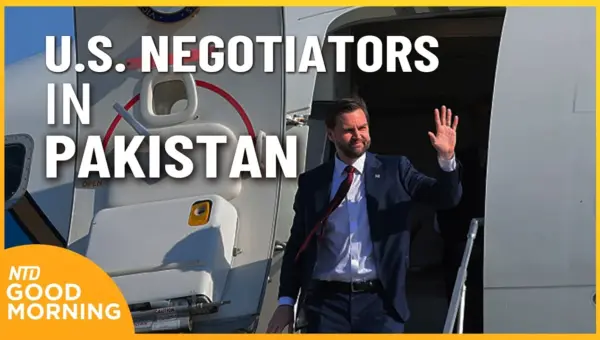
Iran Talks Stall Amid US Ship Seizure, Scientists Vanish
Peace talks between the U.S. and Iran are in jeopardy following the U.S. military's seizure of an Iranian ship. Analysts point to internal divisions within Iran as a major obstacle to any potential deal. The report also covers the concerning trend of missing or deceased scientists and a tragic mass shooting in Louisiana.
Strait of Hormuz Closure Threatens Global Energy Supply
The Strait of Hormuz faces a critical disruption following attacks on ships and a U.S. boarding of an Iranian tanker. The IEA warns energy output could take two years to restore, potentially impacting global markets.
Trump’s Erratic Behavior Fuels Global Unease, Domestic Doubts
Donald Trump's recent public statements and actions are causing significant concern among world leaders and raising questions at home. His frequent outbursts on Truth Social, particularly regarding international affairs, suggest a leader under immense pressure. These displays often come across as desperate attempts to project strength while privately facing considerable challenges.