Beirut Flees: Thousands Evacuate as Israel Escalates Strikes
Thousands of residents are fleeing a southern suburb of Beirut after the Israeli military issued an immediate evacuation order, warning of intensified bombing in the Hezbollah stronghold. The scale of the displacement is unprecedented, as the city braces for potential mass casualties and a prolonged period of unrest.


Thousands Flee Beirut Suburb After Israeli Evacuation Order
BEIRUT, LEBANON – In a dramatic escalation of regional tensions, thousands of residents are fleeing a southern suburb of Beirut following an immediate evacuation order from the Israeli military. The Israeli Defense Forces (IDF) warned hundreds of thousands of civilians to leave their homes as they prepared to intensify bombing operations in the Hezbollah stronghold, a move described as unprecedented in scale.
A City on Edge and on the Move
Beirut is a city teetering on the brink, with a significant portion of its population now displaced. The suburb of Dahiyeh, a known stronghold of the Iran-backed Hezbollah group, has been the target of strikes throughout the week.
However, the latest warning from the IDF signifies a potential shift towards a more aggressive phase of military action. Residents, in a desperate scramble for safety, have packed essential belongings, gathered their children, and fled their homes, uncertain of when or if they will be able to return.
“It’s happened time and time again,” one man, who fled with his wife and four young children, told reporters. “I’m putting my faith only in God.”
The exodus from Dahiyeh is unlike previous wartime experiences for the war-weary Lebanese population. Instead of targeting isolated buildings, the evacuation order encompasses entire neighborhoods, affecting hundreds of thousands of people.
Families are seeking refuge in safer areas, with many forced to spend the night on the streets, watching distant explosions. The anxiety is palpable, with open windows becoming a common sight even outside the immediate evacuation zone, a measure taken to mitigate injuries from potential flying glass.
Escalating Violence and Humanitarian Concerns
The situation has been exacerbated by rhetoric from Israeli officials. The Israeli Finance Minister reportedly threatened to flatten the Beirut suburb, drawing parallels to past Israeli military actions in Gaza.
According to the Lebanese health ministry, over 120 people have been killed across Lebanon this week, including children. Hospitals in Beirut are bracing for a significant influx of casualties, with medical staff anticipating a surge in wounded individuals in the coming days and weeks.
Hospitals Prepare for Mass Casualties
Inside one of Beirut’s largest hospitals, the emergency room, though temporarily quiet, is a scene of tense preparation. Medical teams are stocking supplies and mentally steeling themselves for what they believe will be a substantial wave of injured patients. The fear among healthcare professionals is that the anticipated rush of wounded could begin imminently, potentially tonight.
“We think that we’ll have a greater number of patients. We’ll have a great rush of wounded people,” a hospital spokesperson stated, conveying the grim outlook.
On the Ground in Lebanon
Journalist Daniele Hamamdijan, reporting from a position just miles from the evacuation zone, described the ongoing situation. “Those strikes began just a few hours ago. And from our position here, we could hear them.
We could see the fire. In fact, up until a few minutes ago, we could hear an Israeli drone above us,” Hamamdijan reported. “Even those living outside the evacuation zone, they’re expecting big explosions tonight…
We’ve counted three so far. So we are expecting a pretty long night here.”
The proximity of the conflict to the capital, with Dahiyeh situated across the bay from central Beirut, means the vibrations and sounds of the explosions are felt even by those not directly in the path of the bombing. This heightened state of alert highlights the pervasive sense of insecurity gripping the region.
Broader Implications and Regional Instability
This latest round of violence between Israel and Hezbollah, a powerful militant group backed by Iran, raises concerns about a wider regional conflict. The intensity and scale of the current operations, particularly the large-scale evacuation order, suggest a significant escalation in the ongoing proxy conflict.
The humanitarian cost is mounting, with civilian lives and infrastructure bearing the brunt of the intensified military actions. The international community is watching closely, with fears that the situation could destabilize an already fragile region further.
What’s Next?
As Beirut braces for a potentially long and tumultuous night, all eyes are on the Israeli military’s next moves and Hezbollah’s response. The coming hours and days will be critical in determining whether this escalation remains contained or spirals into a broader confrontation. The fate of thousands of displaced civilians and the stability of the region hang in the balance.
Source: Thousands flee Beirut after Israeli evacuation order (YouTube)

Related Articles
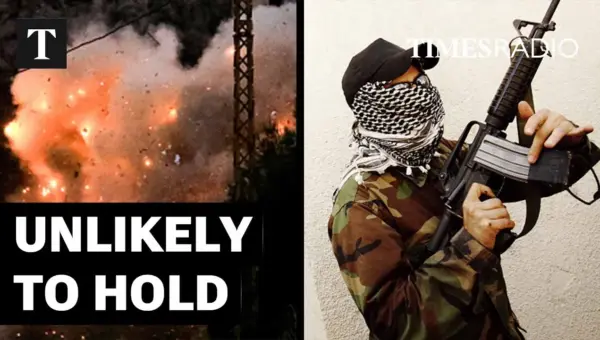
Israel-Hezbollah Ceasefire Holds Tensely Amid Regional Uncertainty
A tense ceasefire between Israel and Hezbollah is in effect, but significant questions remain about its long-term viability and the broader regional implications. Developments concerning the Strait of Hormuz and conflicting diplomatic narratives highlight the fragility of the current situation. Upcoming U.S.-Iran talks will be crucial in determining the next steps.
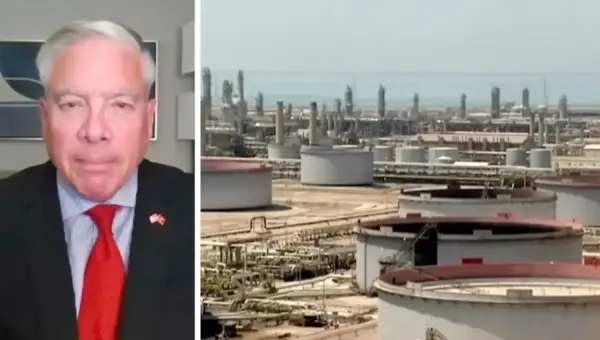
Iran’s Uranium Deal: A Risky Game of Trust
Iran has agreed to hand over enriched uranium, a move that could block its path to nuclear weapons. However, internal divisions in Iran and the complexities of removing radioactive material mean the deal is far from certain. Economic pressure and potential regional stability are also key factors.


Lebanon’s Ceasefire: A Fragile Truce Amidst Deep Divisions
A fragile ceasefire between Lebanon and Israel has brought a temporary halt to hostilities, but deep divisions within Lebanon and lingering international concerns cast doubt on its durability. Analysts warn that the Lebanese state's limited power and the enduring influence of Hezbollah mean a lasting peace remains elusive, with underlying issues threatening future conflict.