Vance’s Iran Stance: Political Firestorm Erupts Over War Advice
Senator JD Vance finds himself embroiled in controversy amid reports he advised an aggressive military stance against Iran. The allegations have sparked a political firestorm, with Vance's office reportedly scrambling to manage the fallout while the Senator himself remains largely silent.


Vance’s Iran Stance: Political Firestorm Erupts Over War Advice
Recent reports suggest a significant political storm is brewing around Senator JD Vance, with allegations that he advised President Trump to pursue an aggressive military strategy against Iran. The fallout from these claims has reportedly sent shockwaves through Vance’s office, highlighting the sensitive nature of foreign policy decisions and the intense scrutiny they attract. The controversy centers on the accusation that Vance advocated for a swift and decisive military response, a stance that, if true, places him at the heart of a high-stakes geopolitical debate.
The Allegations Surface
Multiple sources within the White House have reportedly pointed fingers at JD Vance, attributing to him the counsel to “go big and go fast” in any potential military engagement with Iran. These reports emerged in the days leading up to, or shortly after, significant actions were taken.
The implication is that Vance played a key role in shaping the administration’s approach to Iran, potentially influencing a decision with far-reaching consequences. The timing of these revelations is crucial, as it places Vance’s alleged advice under the microscope amidst escalating tensions.
Vance’s Office Reacts
Following the public dissemination of these allegations, Vance’s office has reportedly gone into damage control mode. The transcript suggests a sense of urgency and alarm, with the office allegedly “freaking the hell out” due to the realization of how unpopular a preemptive military engagement in Iran might be.
This reaction highlights the political peril associated with being perceived as a hawk in a public that may be weary of foreign entanglements. The desire to distance Vance from the “debacle” indicates a strategic effort to mitigate potential political damage.
A Calculated Silence?
JD Vance himself has remained conspicuously absent from the public discourse surrounding these claims. The transcript describes him as “hidden” and lacking the “courage” to directly address the accusations and clarify his position.
Instead of issuing a personal statement, his office has reportedly resorted to carefully crafted statements, suggesting a deliberate strategy to control the narrative. This approach, where staffers issue statements rather than the principal, often signals a desire to manage public perception while avoiding direct confrontation or definitive admissions.
The Nuanced Statement
The statement attributed to Vance’s office offers a nuanced, yet still controversial, perspective. It reportedly states, “He personally was against the strikes, but if the strikes were to happen, he argued that the operation should go big and go fast.” This assertion attempts to present Vance as someone who, while perhaps not initiating aggressive action, believed in a decisive execution if such action were unavoidable.
This dichotomy – being personally against strikes but advocating for their forceful execution – is a complex position that could be interpreted in various ways. It suggests a strategic mind at work, but one whose advice, if followed, could still lead to significant escalation.
Historical Context: The Perils of Intervention
The debate surrounding military intervention in the Middle East carries a heavy historical burden. Decades of involvement in conflicts in Iraq, Afghanistan, and other regions have led to immense human and financial costs, as well as complex geopolitical ramifications. The public’s appetite for further large-scale military engagements has waned considerably, making any perceived endorsement of such actions a politically fraught position.
Vance’s alleged advice, therefore, taps into a deep-seated public apprehension about repeating past mistakes. The history of interventions often reveals unintended consequences and protracted conflicts, making the “go big and go fast” approach a particularly contentious one.
Why This Matters
This situation is significant for several reasons. Firstly, it highlights the immense influence that individual advisors can potentially wield in shaping foreign policy, particularly within a presidential administration. Secondly, it highlights the delicate balance between advocating for national security interests and managing public opinion, especially when dealing with potentially unpopular military actions.
The controversy also raises questions about transparency and accountability in foreign policy decision-making. The public has a right to understand the rationale behind decisions that could lead to war, and the alleged obfuscation surrounding Vance’s role is concerning.
Implications, Trends, and Future Outlook
The implications of this controversy are manifold. For JD Vance, it presents a significant challenge to his political standing and his carefully cultivated image. His alignment with a potentially aggressive foreign policy stance could alienate moderate voters and complicate his future political aspirations.
On a broader level, this incident reflects an ongoing tension within American foreign policy: the debate between interventionist and non-interventionist approaches. As global tensions continue to rise, particularly in the Middle East, the question of how the United States should respond will remain a critical issue. The trend towards a more cautious and domestically focused foreign policy, driven by the legacies of past conflicts, makes any advocacy for robust military action a subject of intense scrutiny.
The future outlook suggests that any politician associated with advocating for military escalation will face considerable public and political headwinds. The emphasis is likely to remain on diplomatic solutions and a more restrained use of military force, with any deviation from this path being met with significant resistance.
The situation surrounding JD Vance’s alleged advice on Iran is a potent reminder of the high stakes involved in foreign policy. It illustrates how quickly political fortunes can shift based on allegations of counsel, and how crucial it is for public figures to navigate these complex issues with clarity and accountability. The ongoing debate about America’s role in the world, and the specific challenges posed by Iran, ensures that this controversy, and others like it, will continue to shape political discourse for the foreseeable future.
Source: JD Vance FREAKS OUT (YouTube)

Related Articles
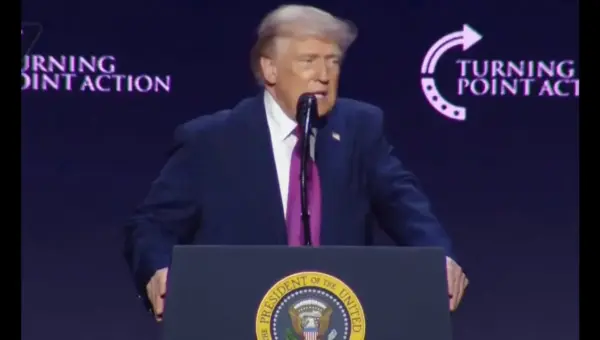
Trump Claims Strait Open, But Was It Ever Closed?
Donald Trump declared the Strait of Hormuz open, but critics question the actual gains given the conflict's cost. Reports from Iran contradict key claims, suggesting the strait may not have been fully closed. This situation raises concerns about accountability and the true impact of foreign policy decisions.
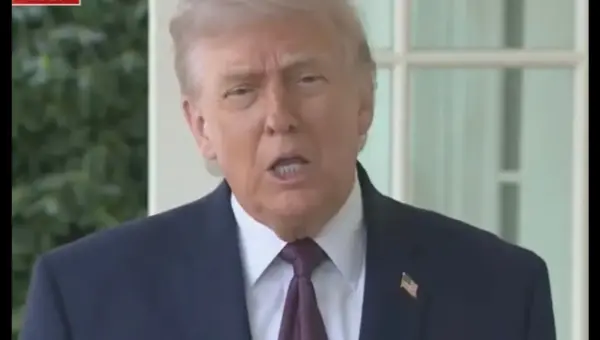
Trump’s Iran Deal Hypocrisy Fuels Political Firestorm
Reports suggest a potential $20 billion asset release to Iran, drawing accusations of hypocrisy against Donald Trump due to his past strong criticisms of similar deals. This controversy highlights ongoing debates about his negotiating tactics and foreign policy consistency. The situation also brings attention to broader themes of political accountability and the scrutiny of business dealings by political figures and their families.

Trump’s Iran Policy: A Gaffe Reveals Stumbling Strategy
The Strait of Hormuz is reportedly open again after months of conflict, but Iran's leverage has grown significantly. Reports also indicate the U.S. may be negotiating to give Iran $20 billion in frozen assets for nuclear material, sparking comparisons to past controversies over Iran policy.