Iran Mulls Strait of Hormuz Closure Amid Escalating Regional Tensions
Iran's foreign minister stated the nation has no immediate intention to close the Strait of Hormuz but is considering "every scenario" if the regional war continues. The threat of closure has already disrupted the global economy, with ships avoiding the passage due to safety concerns.


Iran Considers Strait of Hormuz Options Amid War Concerns
TEHRAN, Iran – Iran’s top diplomat has indicated that the nation is considering all potential scenarios, including the closure of the vital Strait of Hormuz, should the ongoing regional conflict persist. While the waterway has not been formally blockaded, the mere threat of its closure has already sent ripples of disruption through the global economy, raising concerns about international trade and energy security.
Strait of Hormuz: A Critical Global Chokepoint
The Strait of Hormuz, a narrow waterway connecting the Persian Gulf to the open ocean, is one of the world’s most critical maritime chokepoints. Approximately one-fifth of the world’s total oil consumption passes through this strategic passage daily. Its closure would have immediate and severe consequences for global energy markets, potentially leading to significant price hikes and supply shortages.
Current Situation: A De Facto Disruption
Speaking on the potential for Iran to close the strait, the nation’s foreign minister stated, “Well, they have not closed it. Uh it is the ships and tankers who don’t try to pass through the to cross the the the straight because they are, you know, concerned about being hit by by either side.” This observation highlights a critical nuance: the strait is not actively being closed by Iranian forces, but rather, a climate of fear and uncertainty is deterring commercial shipping. Vessels are reportedly avoiding the passage due to apprehension about potential attacks from warring factions in the region, effectively creating a de facto disruption to traffic.
Iran’s Stance: No Immediate Intention, but All Scenarios Considered
The foreign minister clarified Iran’s current position: “So we have no intention to close it right now. Uh but as the war continues uh we will consider every scenario.
For the time being we have not done yet.” This statement suggests a policy of watchful waiting, where Iran reserves the right to take further action if its interests are perceived to be threatened or if the regional conflict escalates further. The emphasis on “every scenario” signals a willingness to explore a range of responses, with the potential closure of the Strait of Hormuz remaining a significant, albeit currently unexercised, option on the table.
Economic Ramifications of Potential Closure
The mere possibility of the Strait of Hormuz being closed has already had a discernible impact on the international economy. The transcript notes that “the threat of its closure has disrupted the international economy.” This disruption is likely manifesting in several ways: increased shipping insurance premiums, rerouting of vessels leading to longer transit times and higher fuel costs, and a general rise in oil prices as markets price in the heightened geopolitical risk. A full closure would undoubtedly amplify these effects exponentially, potentially triggering a global economic downturn.
Broader Geopolitical Context
Iran’s statements come against a backdrop of heightened regional tensions, fueled by ongoing conflicts and proxy wars. The Strait of Hormuz has historically been a point of contention, with Iran previously threatening to close it as a retaliatory measure during periods of increased friction with international powers.
The current volatile environment, characterized by the risk of wider conflict, adds a significant layer of complexity to the geopolitical landscape. Any decision by Iran to disrupt shipping in the Strait would have profound implications, not only for global trade but also for the delicate balance of power in the Middle East.
What to Watch Next
As the regional conflict unfolds, the international community will be closely monitoring Iran’s actions and rhetoric regarding the Strait of Hormuz. The key indicators to watch will be the continuation and escalation of the ongoing wars, any perceived threats to Iranian interests, and the diplomatic efforts to de-escalate tensions. The foreign minister’s statement leaves the door open for future action, making the strait’s operational status a critical barometer of regional stability and a significant factor in global economic outlooks.
Source: Iranian foreign minister on whether Iran will close the Strait of Hormuz (YouTube)

Related Articles

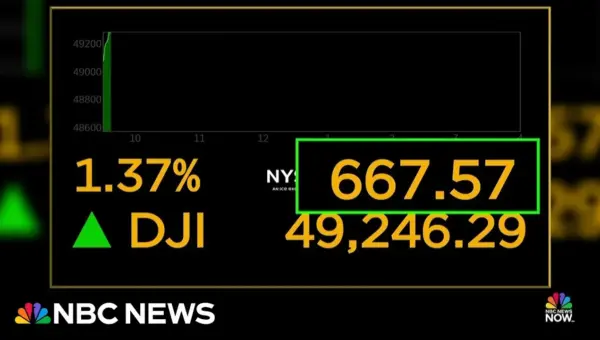
Oil Prices Plunge, Stocks Soar as Strait of Hormuz Reopens
The Strait of Hormuz has reopened, causing oil prices to plummet by over 10% and sending major stock market indices soaring. Analysts predict gas prices could fall below $4 a gallon this weekend, offering relief to consumers. The positive economic news also impacts other commodities and interest rates, boosting overall market confidence.

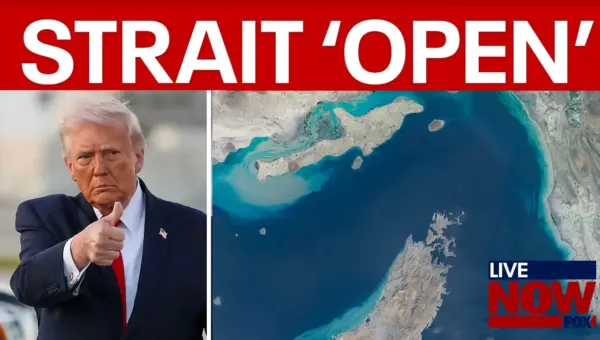
Iran Reopens Strait of Hormuz to Commercial Ships
Iran's foreign minister announced the Strait of Hormuz is now fully open to commercial vessels, following a ceasefire in Lebanon. This vital shipping lane, through which a fifth of the world's oil passes, had been closed since February 28th. The move comes amid international efforts to ensure maritime security and ease economic disruptions.
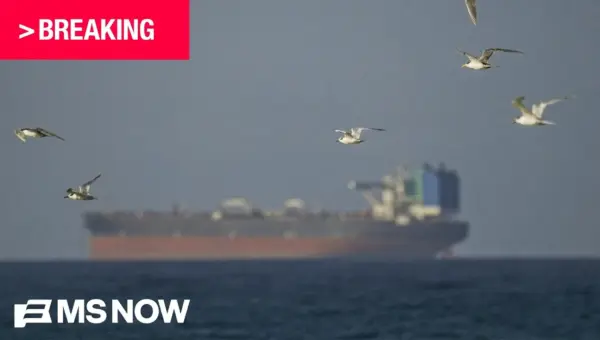
Iran Reopens Strait of Hormuz After Cease-Fire
Iran announced the reopening of the Strait of Hormuz, a critical global oil chokepoint, following a cease-fire in the Israel-Lebanon conflict. The move is seen as a significant de-escalation, with markets rallying and oil prices falling. Questions remain about the U.S. Navy's blockade, which is expected to be lifted.