Marine Veteran Ejected for Iran War Protest at Senate Hearing
A former U.S. Marine veteran was removed from a Senate hearing after protesting against potential U.S. involvement in an Iran conflict, shouting "No one wants to fight for Israel." The veteran alleged his arm was broken during the forceful removal by Capitol Police, raising concerns about law enforcement's tactics.


Protester Disrupts Senate Hearing, Citing Opposition to Israel Conflict
A former U.S. Marine veteran was forcibly removed from a Senate hearing on Wednesday after loudly protesting against potential U.S. Involvement in a conflict with Iran, specifically linking it to support for Israel. The incident occurred during a session where discussions, though not explicitly detailed in the provided transcript, likely touched upon foreign policy and national security matters. The veteran’s outburst, characterized by chants of “No one wants to fight for Israel” and “Stop the war in Iran right now,” brought the proceedings to a halt and led to his swift escort out by Capitol Police.
Veteran’s Grievances and Accusations
The protester, identified as a Marine veteran, explicitly voiced his opposition to what he perceived as the U.S. military being mobilized to fight for Israel. His cries, “Stand up as a Marine. Stand up for America.
No one wants to fight for Israel,” suggest a deep-seated belief that American lives and resources are being unnecessarily risked for foreign interests, particularly those of Israel. He further elaborated, “our military brothers and sisters are going to die for Israel and we are here to say no.
We do not support Israel. We do NOT WANT TO DIE FOR ISRAEL.” This statement underscores a profound concern about the potential human cost for American service members and a rejection of the U.S. Aligning itself with Israeli military objectives.
“No one wants to fight for Israel. Stand up as a Marine.
Stand up for America. No one wants to fight for Israel.”
The veteran’s actions appear to stem from a broader anti-war sentiment and a specific concern about escalating tensions in the Middle East, particularly concerning Iran. His urgent plea, “STOP THE WAR in Iran right now,” indicates a pre-emptive objection to any military action against Iran, driven by the fear that such a conflict would inevitably draw American forces into a potentially devastating war.
Escalation and Physical Removal
The situation quickly escalated as Capitol Police intervened to remove the disruptive individual. The transcript includes a brief, alarming mention of the veteran’s arm being broken during the removal process: “Oh my god. We just witnessed uh a Marine veteran interrupting the hearing and uh they broke his arm.” This detail, if accurate, raises serious questions about the level of force used by law enforcement during the apprehension.
The protester’s subsequent questions, “Why did he interfere?” and “Why are you getting arrested? My call. Have they broken?” suggest confusion and potential distress following the physical altercation.
Broader Context: U.S.-Iran Tensions and Israel’s Role
This incident occurs against a backdrop of ongoing geopolitical complexities in the Middle East. Tensions between the United States and Iran have been a significant concern for decades, marked by periods of heightened rhetoric, sanctions, and proxy conflicts.
The U.S. has historically provided substantial military and diplomatic support to Israel, a key ally in the region, which often complicates its relationship with Iran and other Arab nations. The veteran’s protest taps into a long-standing debate within the U.S. About the extent of its involvement in Middle Eastern conflicts and the nature of its alliances.
The specific mention of Iran and Israel in the protest highlights the interconnectedness of regional security dynamics. Any military confrontation involving Iran could have far-reaching consequences, potentially drawing in regional powers and impacting global stability. The veteran’s sentiment reflects a segment of the American public that is wary of foreign entanglements and prioritizes domestic concerns over international military commitments, especially when perceived as serving the interests of other nations.
Public Reaction and Future Implications
The brief, chaotic scene at the Senate hearing is likely to resonate with a wider audience, potentially fueling further debate on social media and in public forums. The incident is a clear reminder of the passionate opposition that exists towards potential U.S. military actions abroad. The alleged injury sustained by the veteran during his removal will undoubtedly draw scrutiny and could lead to further investigations or public statements from law enforcement agencies or congressional officials.
Looking ahead, this event highlights the vocal dissent against U.S. Foreign policy in the Middle East. As geopolitical situations continue to evolve, the voices of veterans and anti-war activists may play an increasingly prominent role in shaping public opinion and influencing policy discussions. The aftermath of this protest, including any official response to the veteran’s treatment and the underlying issues he raised, will be critical to observe.
Source: 'No one wants to fight for Israel' — Former US marine removed from Senate hearing over Iran war (YouTube)

Related Articles

Trump’s War Blunder Rocks Pentagon, Iran Strait Reopens
The Strait of Hormuz has reopened, offering a glimmer of hope for global economic stability, yet conflicting statements from the Trump administration sow confusion. Meanwhile, everyday Americans continue to grapple with the economic fallout of the war, including soaring gas prices and rising inflation, creating a stark divide between Wall Street's gains and Main Street's struggles.
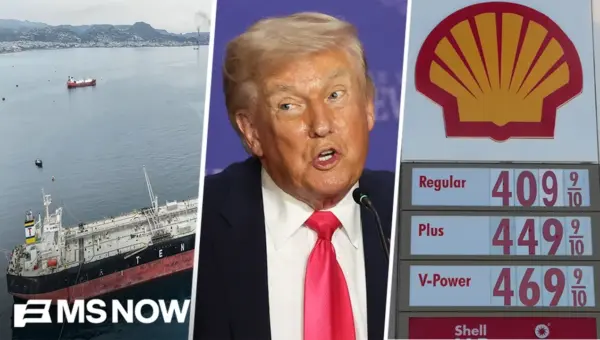
Markets Surge Amid Iran Tensions, Widening Wealth Gap
Stock markets are soaring to new heights despite global tensions and low consumer confidence, creating a widening gap between Wall Street and Main Street. Experts warn that the slow-moving effects of shipping disruptions could lead to long-term economic consequences for households worldwide, even as geopolitical strategies appear to falter.


Trump’s Iran Claims Contradicted Amidst Rising Gas Prices
President Trump's claims about the war in Iran and the opening of the Strait of Hormuz are being directly challenged by officials, with evidence pointing to ongoing disruptions and rising gas prices. As the U.S. navigates complex negotiations, a new poll shows a majority of voters blame Trump for economic woes, raising concerns for Republicans ahead of the midterm elections.