US Sub Sinks Iranian Warship in Escalating Middle East Conflict
A U.S. submarine has destroyed an Iranian warship in a significant escalation of the Middle East conflict. The war has spread to NATO member Turkey, while thousands of Americans remain stranded due to widespread flight cancellations.

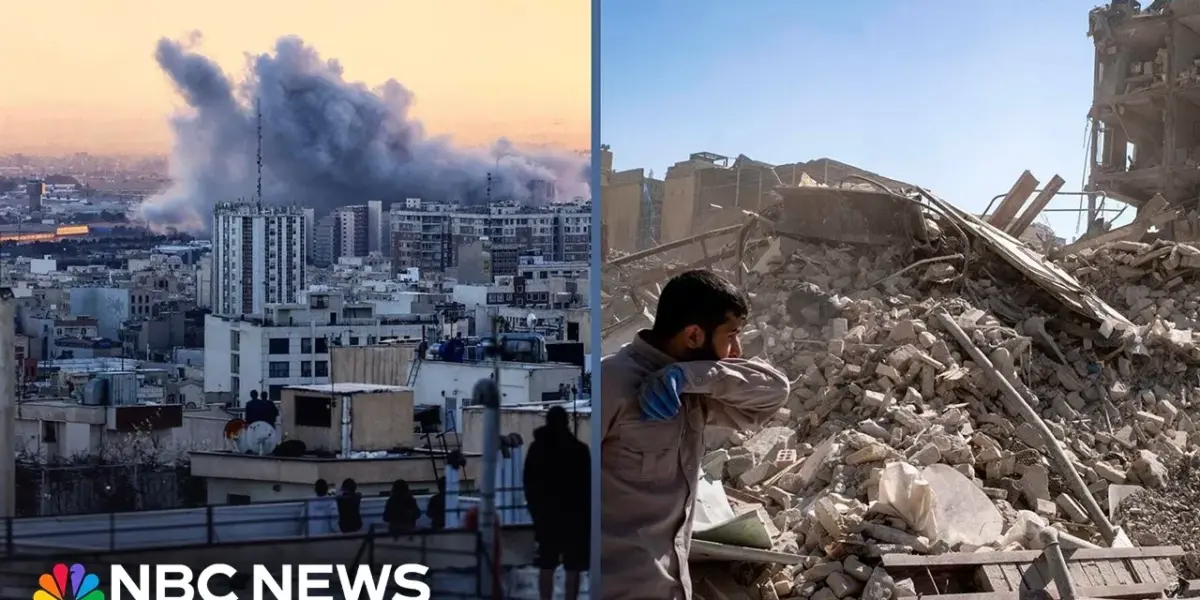
US Submarine Destroys Iranian Warship in Major Escalation
In a dramatic development that echoes naval warfare tactics not seen since World War II, a United States submarine has successfully destroyed an Iranian warship using a torpedo. The unprecedented strike, confirmed by Pentagon officials, marks a significant escalation in the already volatile Middle East, as the conflict continues to spread across the region.
Pentagon Highlights Military Prowess and Iranian Setbacks
The Pentagon described the operation as a demonstration of American military dominance. “Only the United States of America could lead this. Only us.
But when you add the Israeli Defense Forces, devastatingly capable, the result is sheer destruction for our radically Islamic adversaries. They’re toast and they know it,” a spokesperson stated, highlighting the combined strength of U.S. and Israeli forces.
Officials also reported a substantial decrease in Iranian military actions, noting that the number of ballistic missiles fired by Iran has plummeted by 86% since Saturday, and Iranian drone attacks are down by 72%. The U.S. military official added, “The two most powerful air forces in the world, U.S. and Israel, are dominating the skies.”
Iran Expands Attacks, Targeting NATO Member Turkey
Despite significant setbacks, Iran continues to retaliate and attempts to broaden the conflict. In a serious escalation, a missile fired by Iran targeted Turkey, a member of the NATO alliance. NATO air defenses successfully shot down the missile, which Turkish authorities confirmed entered their airspace.
This act has drawn strong condemnation and support for defensive operations within the alliance. “NATO will defend every inch of NATO territory and we’re all better off with him gone and nuclear and ballistic capability beaten and degraded,” commented a NATO official.
Civilians Bear the Brunt as Conflict Intensifies
The human cost of the escalating conflict is becoming increasingly evident. In Israel, a resident showed the damage to his home office caused by an Iranian missile. Despite personally being anti-war, he expressed support for the current military actions, stating, “I think that this war could be pivotal and could benefit a lot of people and could fight actual evil, the Iranian regime.” Amidst ongoing alerts and sirens, residents are forced to take cover, with one journalist reporting from under a damaged building that had been hit by an earlier Iranian attack.
Israel has also intensified its strikes against Hezbollah in Lebanon, a group supported by Iran. The Iranian Red Crescent reports that over 1,000 Iranians have been killed in the war so far.
Broader Regional Impact and NATO Concerns
The attack on Turkey represents a significant shift, raising concerns within NATO. “Certainly does. The attack on Turkey is a major escalation and it’s not the only one.
Cyprus has been hit, and fighting is raging across the Israel/Lebanon border,” reported Richard Engel. A senior U.S. military official cautioned about the unpredictable nature of the conflict, stating, “Once you start a fire you cannot control it.”
Stranded Americans Face Travel Chaos Amidst Airspace Disruptions
The conflict has severely impacted civilian travel, leaving thousands of Americans stranded in the region. Drone attacks have crippled air travel, leading to widespread flight cancellations. The Trump administration is working to evacuate its citizens, utilizing military planes and chartering flights.
Travelers describe scenes of chaos at airports, with many expressing frustration and a feeling of abandonment by their government. “I feel betrayed and left out to dry by my own government who started this whole thing with no plan in place to get people out,” said one stranded traveler. Information from U.S. Authorities has been described as poor by some, though the White House insists the issues have been addressed.
Key Decision-Making and Shifting Public Opinion
Reports indicate that a call from Israeli Prime Minister Benjamin Netanyahu to President Trump influenced the timeline of the U.S. Strike on Iran. Netanyahu reportedly informed Trump that the Ayatollah was meeting with his top advisors, making them vulnerable to a single strike.
While the call may have impacted the timing, White House officials suggest President Trump was already inclined to retaliate. Public opinion on the U.S. military action appears divided, with a recent NBC News poll showing 54% disapproval, with independents showing particularly low approval rates.
Tribute to Fallen U.S. Soldiers
The recent Iranian strikes have resulted in the tragic loss of American lives. Six soldiers were killed in Kuwait when a strike hit their stationed area. Families and friends are mourning their loved ones, remembering their character and aspirations.
“He was so amazing and kind. He cared about people,” said the sister of one fallen soldier. The sacrifices of Captain Cody Khork, Noah Tietjens, Nicole Amor, and others are being honored, with officials vowing to never forget their courage and devotion to the nation.
Looking Ahead: A Volatile and Uncertain Future
As the conflict intensifies and expands geographically, the region remains on a knife’s edge. The targeting of a NATO member, the ongoing civilian impact, and the potential for further escalation by Iran all point towards a highly uncertain future. International observers will be closely monitoring diplomatic efforts, the effectiveness of military responses, and the potential for the conflict to draw in more regional and global powers.
Source: U.S. Submarine sinks Iranian warship as war spreads in the Middle East (YouTube)

Related Articles

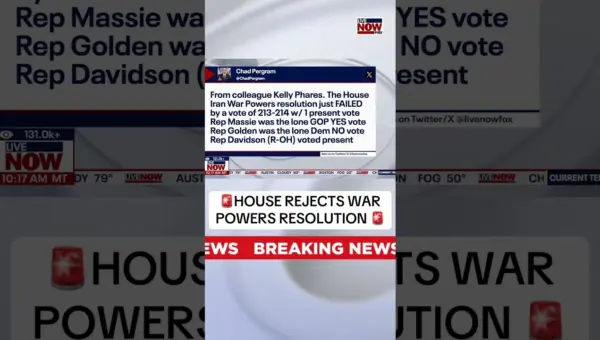
House Rejects War Powers Resolution on Iran
The House of Representatives narrowly defeated a resolution aimed at limiting President Trump's military actions against Iran, with a vote of 213-214. The close outcome revealed divisions among lawmakers, including key votes from a Republican and a Democrat who supported the measure. This decision reinforces the President's authority in foreign military engagements.

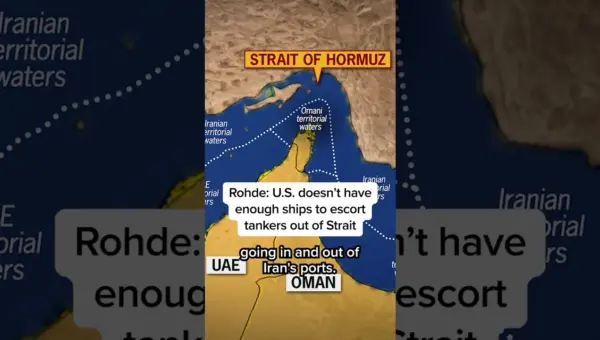
US Navy Lacks Ships to Secure Key Oil Route
The U.S. Navy lacks sufficient ships to escort oil tankers through the critical Strait of Hormuz, according to senior national security reporter David Rohde. This shortage impacts efforts to ensure global oil flow and stabilize energy prices. The situation highlights broader challenges in U.S. maritime strategy and fleet readiness.


Congress Ducks Iran War Vote as Ceasefire Deal Reached
Congress has failed to pass a resolution limiting the President's war powers regarding Iran, amidst a newly announced 10-day ceasefire between Israel and Lebanon. Heated debate marked the vote, with lawmakers divided on national security and political strategy. The ceasefire offers a potential de-escalation, though significant issues remain unresolved in broader peace efforts.