Trump Details ‘Worst-Case Scenario’ in Iran Tensions
President Donald Trump outlined the "worst-case scenario" in Iran tensions, stating the U.S. might have to "go in and take out Iran." The remarks were made during a press briefing in the Oval Office following a meeting with German Chancellor Angela Merkel. This declaration signals a serious consideration of military intervention amidst escalating regional pressures.

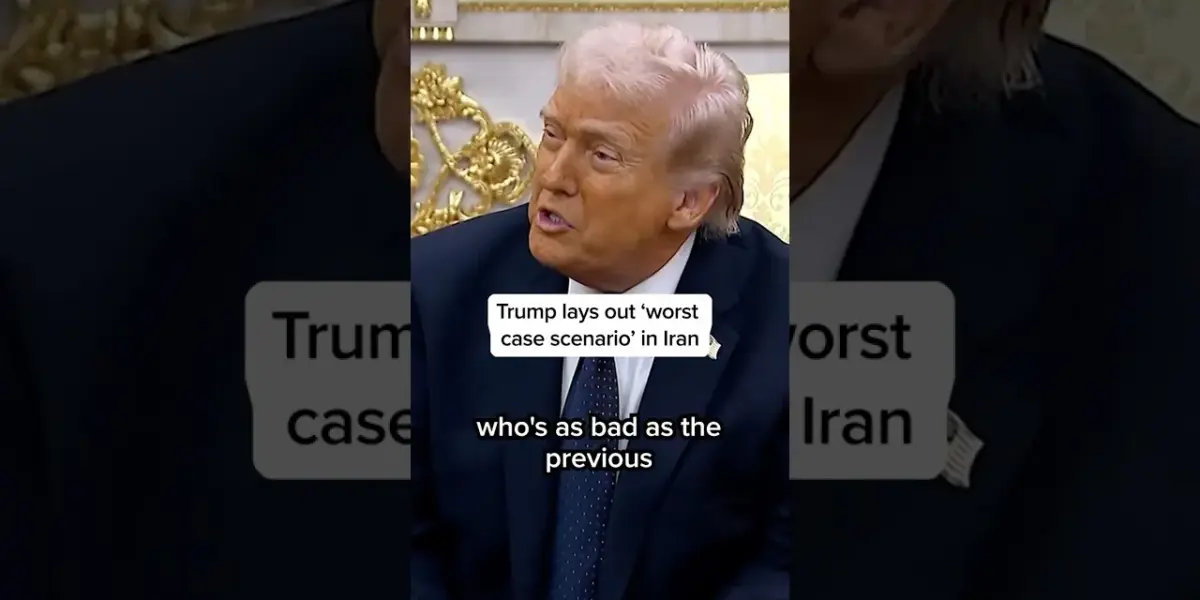
Trump Outlines Dire Iran Outcome Amidst Oval Office Briefing
Washington D.C. – President Donald Trump offered a stark assessment of potential escalations with Iran during a press briefing in the Oval Office on Thursday, detailing what he described as the “worst-case scenario” for the ongoing operation against the Islamic Republic. The remarks came in the wake of a bilateral meeting with German Chancellor Angela Merkel, where discussions reportedly touched upon international security concerns, including the volatile situation in the Middle East.
Escalating Tensions and Strategic Concerns
While the precise nature of the “operation” against Iran was not fully elaborated upon by the President, his comments suggest a high level of concern within the administration regarding Iran’s actions and the potential for wider conflict. Trump’s willingness to publicly discuss a “worst-case scenario” signals a significant escalation in rhetoric and highlights the gravity with which the White House is viewing the current geopolitical climate. The context of the remarks, made shortly after a meeting with a key European ally, suggests an effort to communicate the administration’s stance and potentially garner international support or understanding for its approach.
The ‘Worst-Case Scenario’ Unveiled
When pressed by reporters about the potential outcomes of the operation, President Trump did not shy away from painting a grim picture. He stated, “The worst-case scenario is that we have to go in and take out Iran.” This direct and forceful language indicates a willingness to consider military intervention as a last resort, should diplomatic efforts and existing pressures fail to alter Iran’s behavior. The implication is that a full-scale military engagement, aimed at regime change or incapacitation, remains a possibility on the table.
“The worst-case scenario is that we have to go in and take out Iran.”
– President Donald Trump
This declaration comes at a time of heightened tensions between the United States and Iran, marked by a series of incidents including alleged attacks on shipping vessels, the downing of a U.S. Drone, and retaliatory strikes. The Trump administration has pursued a policy of “maximum pressure” against Iran, including reimposing stringent economic sanctions after withdrawing from the 2015 nuclear deal. The goal has been to curtail Iran’s nuclear program, its ballistic missile development, and its support for regional militant groups.
Diplomatic Efforts and Military Posturing
The President’s remarks also touched upon the diplomatic avenues being explored, though the emphasis on the “worst-case scenario” suggests that military options are being seriously contemplated. Trump indicated that there were ongoing discussions and that the situation was fluid.
However, the stark warning about military action is a clear signal to Iran and the international community about the potential consequences of continued provocations. The administration appears to be balancing a strategy of economic coercion and diplomatic engagement with the implicit threat of overwhelming military force.
International Reaction and Alliances
The meeting with German Chancellor Merkel is significant, as European allies have often expressed concerns about the efficacy and potential dangers of the “maximum pressure” campaign. While Germany, a key player in the European Union, shares concerns about Iran’s nuclear ambitions and regional activities, it has generally advocated for a more measured diplomatic approach. Trump’s public articulation of a “worst-case scenario” may be an attempt to align allies with his administration’s more assertive stance or to convey the seriousness of the threat perceived by the U.S.
The broader implications of such a military confrontation could be devastating for the Middle East and the global economy. A conflict involving Iran could disrupt oil supplies, trigger refugee crises, and destabilize an already fragile region. The international community, including U.S. Allies and adversaries alike, will be closely monitoring the developments and the potential for miscalculation.
Looking Ahead: The Path Forward
President Trump’s pronouncements from the Oval Office highlight the precarious state of U.S.-Iran relations. While the “worst-case scenario” remains a possibility, the administration’s next steps will be crucial. Continued diplomatic engagement, coupled with the existing sanctions regime, will be tested against Iran’s response to these pressures.
The coming weeks and months will likely reveal whether de-escalation is achievable or if the path towards a more direct confrontation becomes increasingly probable. The world watches to see if diplomacy can prevail over the stark military options laid bare by the President.
Source: Trump lays out 'worst case scenario' in Iran (YouTube)

Related Articles

Trump’s Budget Cuts Leave US Vulnerable to Foreign Attacks
Former President Donald Trump's budget cuts to federal agencies have left the U.S. vulnerable to foreign disinformation and influence campaigns. Analysis suggests these reductions weakened critical capabilities, leaving the nation unprepared for growing threats. Rebuilding these defenses requires sustained investment and a renewed focus on national security.
Trump: Iran’s Military Defeated, Strait Will Reopen
President Trump declared Iran's military defeated and the Strait of Hormuz will reopen, a key shipping lane. He stressed Iran must not acquire nuclear weapons as the primary goal of any deal. The U.S. is prepared to ensure the strait remains open for international trade.

Iran’s Strait of Hormuz Fee Threatens Europe’s Economy
Iran's proposal to charge a significant fee for passage through the Strait of Hormuz could trigger major economic problems for Europe, potentially generating billions of dollars monthly. The move is seen as an attempt to solidify control over the vital waterway, but it directly challenges international maritime law and threatens freedom of navigation. European nations, especially shipping-reliant Greece, face substantial economic risks, as do the continent's energy supplies.