US Strikes Iran’s Terror Funding: A New Era?
The U.S. has launched "Operation Economic Fury" targeting Iran's oil smuggling and oil-for-gold networks. These sanctions aim to cut off funds supporting Hezbollah and the IRGC, building on past "maximum pressure" policies. This strategy seeks to weaken Iran's financial lifelines and reduce regional instability.

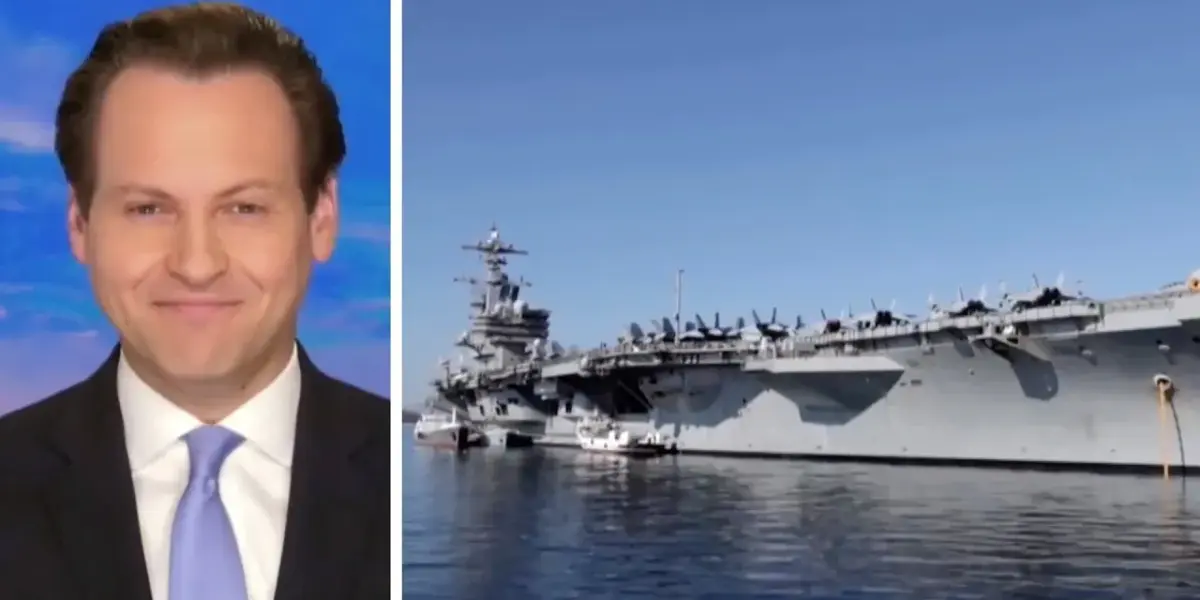
US Strikes Iran’s Terror Funding: A New Era?
The United States has launched a significant operation targeting Iran’s oil smuggling networks, a move aimed at cutting off funds that support groups like Hezbollah and the IRGC. This effort, dubbed “Operation Economic Fury,” builds on previous “maximum pressure” policies. It seeks to choke off the financial lifelines that have allowed Iran to fund its activities for decades.
The State Department announced sanctions hitting a multibillion-dollar oil smuggling empire. This network also included an oil-for-gold scheme. These actions directly aim to starve Iran’s “terror machine.” The goal is to stop money from reaching groups that threaten regional stability and U.S. interests.
Building on Past Efforts
Jacob Alidor, director of the Center for American Security at the America First Policy Institute, sees this as a critical step. He noted that the Trump administration first introduced a “maximum pressure” campaign.
Operation Economic Fury is seen as an innovative and important continuation of that strategy. This includes efforts like a naval blockade, all designed to restrict Iran’s economic power.
The aim is to weaken the regime’s ability to fund its proxies and maintain its influence. This policy seeks to change the economic conditions that have supported Iran’s actions for nearly fifty years.
Naval Blockade and Regional Response
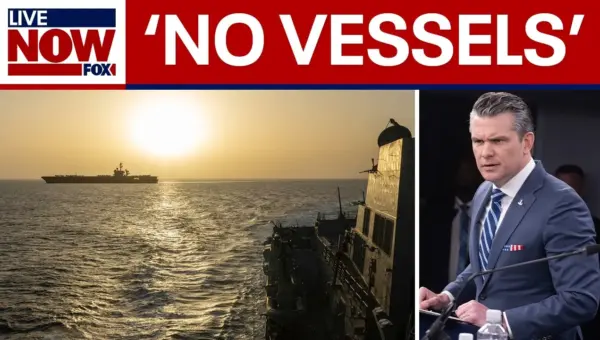
In conjunction with the sanctions, a naval blockade in the Strait of Hormuz has been implemented. Reports indicate that at least ten Iranian vessels have been turned back since the blockade began. No ships have managed to break through this barrier.
From an “America First” security viewpoint, this blockade is reshaping Iran’s capacity to fund its operations. The strategy involves using military force precisely when needed.
It also aims to build a coalition of willing partners in the region. This would allow regional actors to take more responsibility for their own security.
Iran’s Threats and US Stance
Iran has responded to these actions with threats. A major general has warned of halting all shipping in the Red Sea, Persian Gulf, and Gulf of Oman if the blockade continues. This comes amid a fragile ceasefire in the region.
However, U.S. officials dismiss these threats. They argue that Iran’s military power is limited, and its actions often amount to piracy and terror. The U.S. stance is that these sanctions and blockades are necessary responses to Iran’s behavior.
Economic Hardship and Message to Iran
These new sanctions highlight how the Iranian regime enriches corrupt elites while ordinary Iranians suffer. Many citizens are struggling under a collapsing economy, which has fueled past protests. The sanctions send a clear message that the U.S. will not allow Iran to hold global energy routes hostage.
The regime has a history of exploiting its population economically. Past administrations are criticized for providing Iran with significant financial resources.
Estimates suggest billions of dollars in unfrozen assets and ransom payments went to funding Iran’s terror apparatus, not its people. These funds have been linked to attacks on U.S. troops and allies.
Disrupting Terror Networks
Disrupting oil-for-gold schemes that finance Hezbollah and IRGC operations is crucial. This not only protects U.S. forces and allies like Israel and Saudi Arabia but also reduces threats to American shipping and energy prices at home.
Hezbollah is Iran’s most important and oldest proxy. It plays a major role in coordinating Iran’s foreign policy and its regional terror activities. Cutting off these supply lines and weakening the connection between Iran and Hezbollah would be a substantial blow to the Iranian regime.
Measurable Results and Future Steps
The “maximum pressure” campaign is already showing results. Iran’s military capabilities, including its navy and air force, have been degraded. Its defense industrial establishment and command and control structure have also been disrupted.
The U.S. continues to prefer a diplomatic route for resolving issues with Iran. However, the primary objective remains protecting American citizens and allies from Iranian threats. The administration is focused on achieving this goal through a combination of sanctions, diplomatic pressure, and, when necessary, military action.
The next steps will likely depend on Iran’s reaction to these pressures. The U.S. has made its demands clear, and Iran now faces a choice: meet these demands diplomatically or face further consequences.
Why This Matters
These actions represent a significant shift in U.S. policy toward Iran. By directly targeting its financial lifelines, the U.S. aims to dismantle Iran’s ability to fund proxy groups and project power across the Middle East. This approach seeks to enhance regional security and protect U.S. interests without necessarily engaging in direct large-scale conflict.
The effectiveness of these sanctions will be closely watched. If successful, they could lead to a reduction in regional instability and a weakening of groups like Hezbollah. However, Iran’s response and the broader geopolitical implications remain uncertain.
Implications and Future Outlook
The success of these sanctions could embolden further efforts to isolate Iran economically. It might also encourage other nations to adopt similar strategies against state sponsors of terrorism. The policy’s long-term impact on Iran’s internal politics and its regional behavior will be critical to observe.
Iran’s reaction will shape the future of this confrontation. A failure to de-escalate could lead to increased tensions and potential military confrontations. Conversely, a diplomatic resolution, however unlikely, would be a significant positive outcome.
Historical Context
U.S. policy towards Iran has fluctuated significantly over the years. Following the 1979 revolution, relations became increasingly strained.
The U.S. has long sought to counter Iran’s nuclear program and its support for militant groups. Previous administrations have employed various strategies, from diplomatic engagement to sanctions and military deterrence.
The “maximum pressure” campaign, first implemented during the Trump administration, marked a significant departure from previous approaches. It prioritized economic sanctions and isolation to compel Iran to change its behavior. Operation Economic Fury appears to be an extension of this strategy, adapting tactics to target specific funding mechanisms.
The legacy of past financial dealings, including perceived appeasement and direct payments, continues to influence current policy. The current administration’s actions are framed as a necessary correction to past approaches that they believe empowered Iran’s aggression.
Source: Sanctions Targeting Hezbollah an Important Blow To Iranian Regime: Commentary (YouTube)

Related Articles
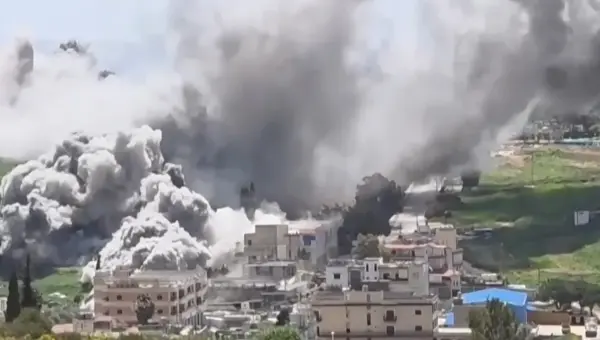
Ceasefire Fragile: Israel, Hezbollah Trade Blows Before Truce
Israel and Hezbollah exchanged strikes just before a 10-day ceasefire began, highlighting deep mistrust. Residents on both sides expressed mixed feelings, with some hoping for normalcy and others fearing the conflict's return. The truce offers a critical window for diplomatic talks.
US Vows to Stop Any Ship Linked to Iran
The U.S. military is expanding its mission to intercept any ship linked to Iran, anywhere in the world. This move comes as a two-week ceasefire between the U.S. and Iran is past its halfway point. Tensions also remain high between Israel and Hezbollah in southern Lebanon.
Iran Faces Economic Collapse Amid Trump’s Blockade Strategy
Iran faces severe economic pressure from a U.S.-led blockade, potentially leading to its collapse. Analysts believe President Trump's strategy of taking adversaries' threats seriously, combined with economic sanctions, is designed to force Iran's unconditional surrender on nuclear and regional issues.