China’s AI Chip Heist Threatens US Military Edge
Lawmakers are warning that China is using smuggling networks to acquire advanced US AI chips, potentially aiding its military. This could be the largest export ban violation in US history, prompting tech rivals to collaborate on protecting intellectual property.

China’s AI Chip Heist Threatens US Military Edge
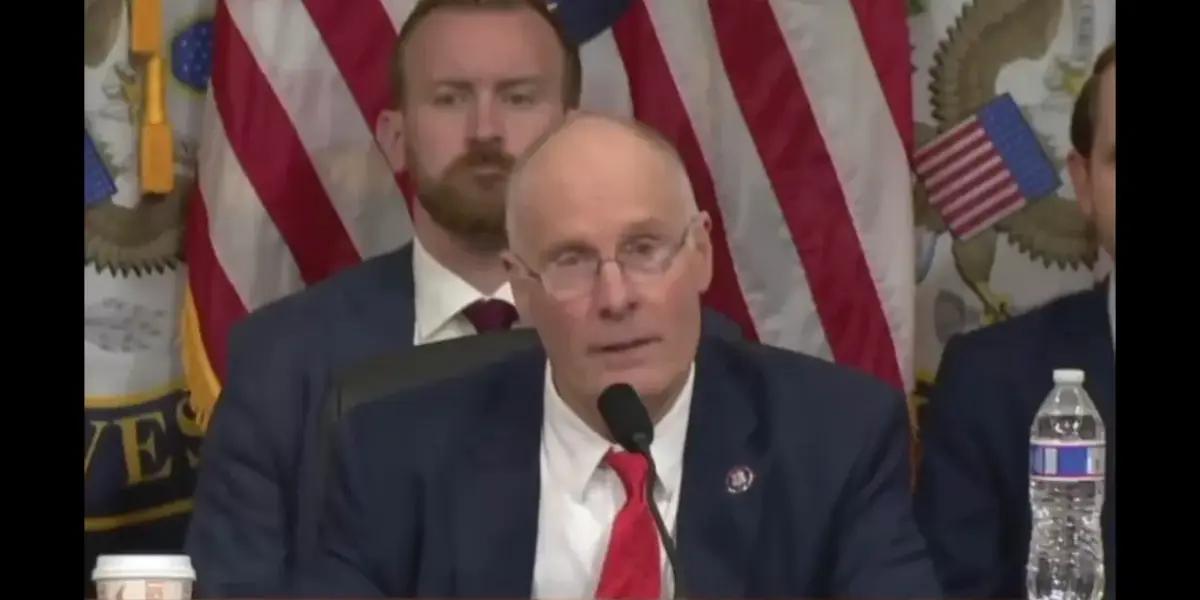
Lawmakers on Capitol Hill are sounding the alarm about China’s aggressive tactics to obtain advanced American artificial intelligence (AI) technology. The focus is on what could be the biggest violation of export bans in US history, involving the smuggling of high-tech AI chips.
Washington correspondent Jack Bradley reported that China’s effort to smuggle advanced AI chips is a widespread problem. In the race for AI dominance, China is buying what it can and stealing what it cannot due to current US export rules. Without enough AI chips to develop their own models, Chinese companies are reportedly resorting to theft from American competitors.
Smuggling Networks Fuel China’s AI Ambitions
Members of the House Select Committee on the Chinese Communist Party state that China is significantly behind the US in AI development. To bridge this gap, they rely on smuggling networks to acquire restricted technology. This shows how far some Chinese companies will go to gain an advantage, even if it means breaking the law.
Last month, the Department of Justice charged three men in a case involving the theft of AI servers loaded with restricted Nvidia chips. These servers, valued at $2.5 billion, were intended for China. If convicted, this would represent the largest export control violation ever recorded in the United States.
Stolen Tech Fuels Military Threats
The implications of this theft are serious. Panelists suggest that the AI technology obtained through these illicit means is already being used against the US military. Specifically, Chinese AI developed from stolen American technology is reportedly helping Iran target American service members.
This situation has prompted major AI companies like OpenAI, Anthropic, and Google to collaborate. They have formed a new industry working group to share intelligence. Their goal is to detect and prevent intellectual property theft by the Chinese Communist Party.
Future at Stake: Censorship or Freedom?
The stakes are incredibly high. Panelists warn that if Chinese AI models come to dominate, the world could face a future characterized by widespread censorship and surveillance. This outcome would severely limit freedom of expression and privacy.
To combat this threat, lawmakers and experts are calling for stronger export restrictions. They believe that restrictions should apply to all types of chips, not just the most advanced ones. Providing China with cutting-edge AI chips is compared to selling advanced rocket technology to the Soviet Union during the crucial moon race.
The MATCH Act: A Proposed Solution
Support is growing for the MATCH Act. This legislation aims to ban the sale and servicing of certain chip manufacturing equipment to China. Lawmakers are also urging US allies to adopt similar measures.
The push to counter China’s AI chip smuggling tactics is a critical effort to maintain America’s technological and military advantage. The outcome of these actions will significantly shape the future of AI development and global security.
Why This Matters
This issue is vital because AI technology is rapidly becoming a defining factor in global power. The ability to develop and control advanced AI affects everything from economic competitiveness to national security. If China gains unchecked access to US AI technology, it could undermine democratic values through increased surveillance and censorship, and even pose direct threats to military personnel.
Implications, Trends, and Future Outlook
The trend shows a determined effort by China to close the AI gap, using both legitimate and illicit means. This highlights the complex geopolitical competition in advanced technology. The US response, including export controls and industry collaboration, indicates a strategy of both defense and deterrence.
Looking ahead, the effectiveness of export bans and the ability of companies to outmaneuver smuggling networks will be key. The international community’s cooperation on these export controls will also play a significant role in shaping the future of AI development and its global impact.
Historical Context
The current situation echoes historical tensions during the Cold War. For instance, the US heavily restricted the export of advanced technology to the Soviet Union to maintain its strategic advantage. This AI chip dispute represents a modern parallel, where control over cutting-edge technology is seen as crucial for national security and global influence.
The development of AI is a new frontier, much like the space race was decades ago. The competition to lead in AI mirrors past technological races where national capabilities were directly tied to economic prosperity and military strength.
The MATCH Act, if passed, would be a significant policy intervention. It aims to cut off China’s access to the tools needed to produce advanced semiconductors, thereby slowing their progress in AI. This approach reflects a belief that controlling the means of production is as important as controlling the end products.
The collaboration among US tech giants is also a notable development. Companies that are usually fierce rivals are uniting against a common threat. This cooperation could set a precedent for how industries respond to national security challenges today.
The charges brought by the DOJ against individuals involved in smuggling AI servers represent a concrete step in enforcing existing laws. These actions aim to deter future violations and signal the seriousness of the US government’s stance on protecting its technological assets.
The ongoing efforts in Congress and within the tech industry show a commitment to addressing this threat. The next steps will involve legislative action on the MATCH Act and continued vigilance against smuggling operations.
Source: Lawmakers Warn of China’s AI Chip Smuggling Tactics (YouTube)

Related Articles


AI Race: Nations Clash Over Tech’s Future
Nations are divided on AI's future, with China embracing it for progress while the West fears its risks. Cybersecurity expert Rex Lee explains how this difference impacts national security and warns of AI's weaponization. He calls for tech leaders to take responsibility and suggests solutions like an electronic bill of rights.

Spy Law Debate: DNI Gabbard Clashed With Trump on Privacy
Director of National Intelligence Tulsi Gabbard reportedly voiced concerns to President Trump about reauthorizing Section 702 of FISA without privacy reforms. The program allows U.S. collection of foreign communications but can sweep up American data. This disagreement highlights ongoing tensions between national security needs and privacy rights as the law faces a critical deadline.


Trump Hints at UFO Cover-Up After Scientist Deaths
Ten American scientists linked to government defense and UFO programs have died or vanished mysteriously. President Trump acknowledged a meeting on the subject, hinting at serious concerns beyond mere coincidence. This situation revives long-standing questions about government transparency and UFO secrecy.