Iran’s Death Sentences Ignite Global Outcry Over Protest Crackdown
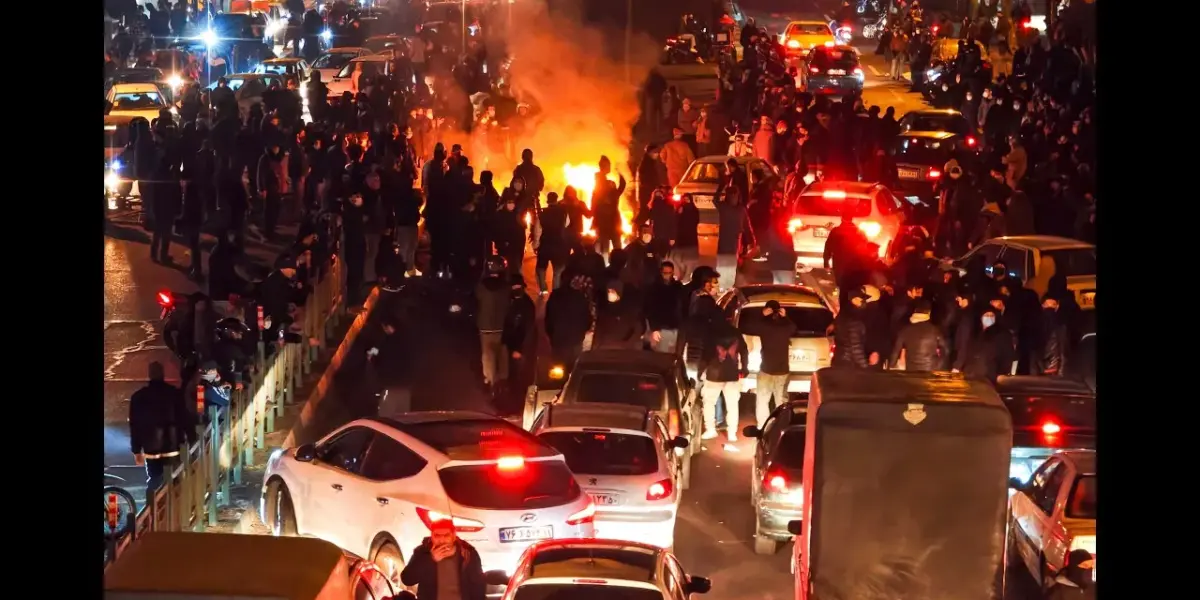
Iran has sentenced four people to death in connection with recent protests, continuing a pattern of using capital punishment to suppress dissent. Human rights groups report torture and executions of women, with over 650 people executed this year. The UN has condemned this as a long-standing tactic to silence opposition.

Iran’s Death Sentences Ignite Global Outcry Over Protest Crackdown
Iran has handed down death sentences to four people for their involvement in protests that swept the country earlier this year. This grim development follows the earlier execution of several other individuals for participating in the same demonstrations. Human rights organizations report that at least one woman was among those executed, and that some detainees faced torture during their interrogations by authorities.
The Iran Human Rights Monitor states that Iran has already executed over 650 people in the current year. They also believe the real number is likely much higher than reported.
This alarming trend was highlighted last month by the UN special rapporteur on human rights in Iran. She reported that Iranian authorities executed at least 1,600 people in 2025.
A Pattern of Suppression
The UN rapporteur described the recent executions as part of a long-standing strategy. Iran has consistently used the death penalty to silence opposition and crush dissent.
This practice has drawn sharp criticism from international bodies and human rights advocates worldwide. They argue that these actions violate fundamental human rights and international law.
Historical Context of Repression
Iran has a history of severe crackdowns on protests and political opposition. Following the 2022 protests, which were largely sparked by the death of Mahsa Amini, the government intensified its efforts to control public expression.
The current wave of death sentences and executions appears to be a continuation of this repressive policy. The government views widespread protests as a direct threat to its authority and stability.
International Reaction and Concerns
The international community has reacted with strong condemnation to these death sentences. Many countries and human rights groups are calling for Iran to halt these executions and review the cases.
They emphasize the need for fair trials and due process for all individuals accused of crimes, especially in cases involving political expression. The UN and other global bodies are urging Iran to adhere to international human rights standards.
Why This Matters
These executions and death sentences are critical indicators of the Iranian government’s approach to dissent. They highlight the severe risks faced by citizens who dare to protest against government policies or societal restrictions.
The use of the death penalty as a tool of political control sends a chilling message to anyone considering speaking out. It also raises serious questions about the rule of law and human rights within Iran.
Implications and Future Outlook
The continued use of capital punishment against protestors suggests that Iran is unlikely to ease its repressive measures soon. This approach could further isolate Iran on the global stage and intensify international pressure. For the people of Iran, it means continued fear and limited avenues for expressing grievances.
Human rights organizations will likely continue to monitor the situation closely, documenting abuses and advocating for reform. The international community faces the challenge of finding effective ways to pressure Iran without further harming its citizens.
Looking Ahead
The focus now shifts to whether international condemnation will lead to any change in Iran’s policies. Human rights groups are pushing for increased sanctions and diplomatic pressure. The upcoming months will be crucial in determining the fate of those sentenced to death and the broader trajectory of human rights in Iran.
Source: Report: Iran Sentences 4 to Death for January Protests (YouTube)

Related Articles


US Ally Faces Global Outcry Over War Actions
Prominent figures and international leaders are increasingly vocal in their criticism of Israel's wartime actions, drawing parallels to historical atrocities and condemning its policies. The report highlights global backlash, diplomatic clashes, and a growing movement advocating for a shift in US foreign policy and support for progressive political change.
Cuba Denies Political Prisoners Amid Rights Group Claims
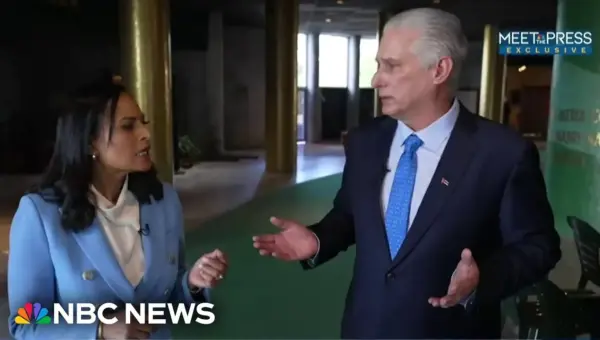
Cuban President Miguel Diaz-Canel has denied holding political prisoners, calling such claims a "big lie." However, human rights groups, including Prisoners Defenders, insist that over 1,200 individuals are unjustly detained for dissent. The dispute highlights ongoing tensions over freedom of expression in Cuba.


ICE Facility Overcrowding Sparks Safety Concerns
New reporting from the Arizona Mirror reveals that an ICE detention facility in Mesa, Arizona, is dangerously overcrowded. This situation raises significant health and safety concerns for detainees. Journalist Rachel Maddow has highlighted these findings, calling for immediate action to address the critical conditions.