RFK Jr. Defends Health Agency Amid Vaccine Messaging Clash
HHS Secretary Robert F. Kennedy Jr. clashed with Rep. Linda Sanchez over vaccine messaging during a House hearing. While Sanchez pressed on potential misinformation, Kennedy emphasized the critical threat of chronic diseases to American health.

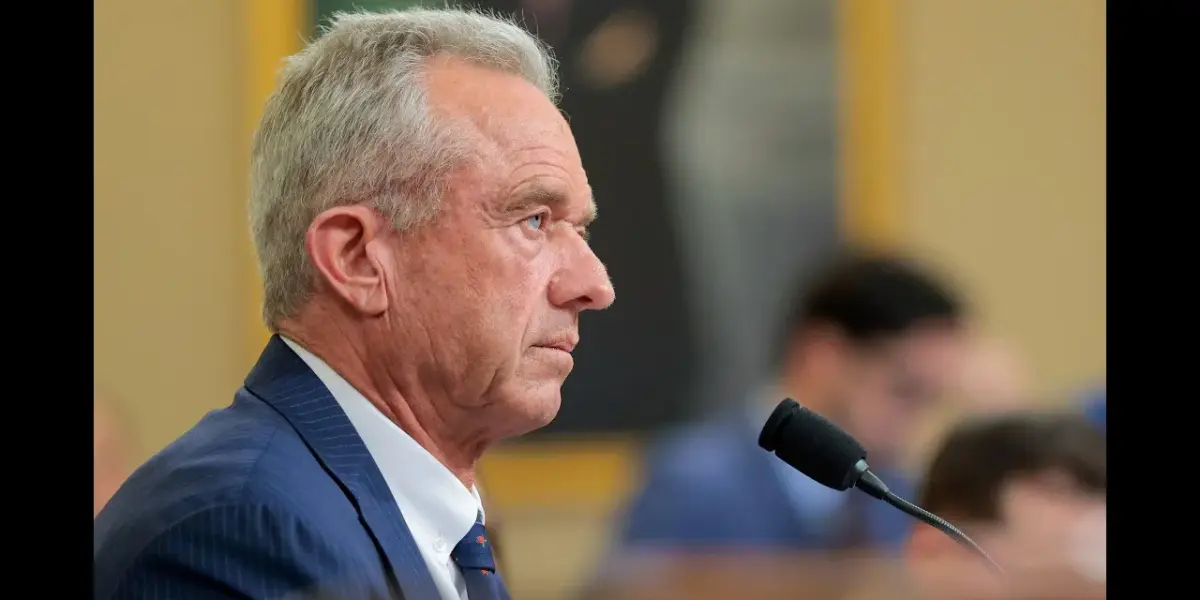
RFK Jr. Defends Health Agency Amid Vaccine Messaging Clash
Robert F. Kennedy Jr., leading the Health and Human Services (HHS) department, recently faced tough questions during a House committee hearing.
Congresswoman Linda Sanchez zeroed in on the department’s public messaging about vaccines. She specifically asked if former President Trump had approved Kennedy’s decision to stop the Centers for Disease Control and Prevention (CDC) from running pro-vaccine campaigns.
Kennedy, however, found himself in a back-and-forth with Sanchez, who felt he was not directly answering her question. The exchange highlighted differing views on public health communication and the role of government agencies in promoting health measures. Sanchez pressed for a clear answer, emphasizing the limited time she had to question the HHS Secretary.
Debate Over Vaccine Messaging and Misinformation
The core of Sanchez’s concern seemed to be the potential for misinformation. She suggested that ending a pro-vaccine campaign could lead to a rise in public confusion about vaccine safety and effectiveness. This is a critical point, as public trust is essential for successful health initiatives.
Kennedy pushed back, implying that Sanchez’s premise might be based on misinformation itself. He argued that he needed to respond to these claims, indicating a belief that the department’s actions were being misrepresented. The exchange suggests a deeper disagreement about how best to communicate public health information to the public.
Measles Outbreak and International Comparisons
During the heated exchange, Sanchez brought up the issue of a global measles epidemic. She stated that the United States had done better than other countries in preventing measles, a claim Kennedy disputed. He countered by citing statistics that suggested Mexico and Canada had higher measles rates, even when accounting for their smaller populations.
This comparison of measles rates between countries highlights the complex nature of disease prevention. Factors like vaccination coverage, public health infrastructure, and population density all play a role. Understanding these differences is crucial for developing effective strategies to combat outbreaks.
Support for Chronic Disease Prevention
In contrast to the sharp disagreement on vaccine messaging, Congressman Lloyd Smucker offered Kennedy praise. Smucker applauded Kennedy’s focus on preventing chronic diseases. He specifically mentioned the HHS’s efforts to study the role of diet in health, a priority Smucker shares.
Smucker announced he was introducing a bipartisan bill designed to help chronically ill patients. The bill aims to provide access to healthy food and nutrition counseling. This approach focuses on proactive health measures, seeking to prevent diseases from worsening and reduce overall healthcare costs.
Kennedy’s View on Chronic Disease Burden
Kennedy strongly agreed with Smucker’s focus on chronic diseases. He stated that the U.S. has the highest burden of chronic disease in the world. He pointed out that while infectious diseases cause a few thousand deaths a year, chronic diseases are responsible for the vast majority of deaths.
Kennedy argued that for too long, these chronic diseases have been ignored by lawmakers. He believes they represent the real threat to American health. He noted that during the COVID-19 pandemic, the U.S. had a high death rate, and a major reason cited was the poor health of the American population, with the average COVID-19 death involving multiple chronic conditions.
The Interplay of Chronic and Infectious Diseases
A key point Kennedy made is the relationship between chronic disease and susceptibility to infectious diseases. He suggested that infectious diseases are less likely to kill a healthy person. Instead, they pose a significant risk to individuals already suffering from chronic conditions.
This perspective suggests that improving the overall health of the population by addressing chronic diseases could make people more resilient to infectious threats. It frames public health not just as fighting individual diseases, but as building a healthier society overall.
Broader Health Concerns Addressed
The hearing also touched upon other significant health topics. These included issues like fraud related to Affordable Care Act brokers, new recommendations for dietary guidelines, and the impact of ultra-processed foods and microplastics. Reports of possible mismanagement at the Food and Drug Administration (FDA) were also discussed.
These diverse topics highlight the wide range of challenges facing the HHS. From ensuring the integrity of health insurance markets to understanding the long-term effects of environmental factors and food choices, the department plays a critical role in safeguarding public well-being.
Why This Matters
This hearing reveals a critical tension in public health policy: how to best communicate health information and what health issues to prioritize. While Congresswoman Sanchez focused on the immediate concern of vaccine messaging and potential misinformation, Kennedy highlighted the pervasive and deadly impact of chronic diseases.
The debate over vaccine messaging is vital because public trust is essential for effective health interventions. If people doubt the information they receive from health authorities, it can lead to lower vaccination rates and increased disease spread. On the other hand, Kennedy’s emphasis on chronic diseases points to a long-term health crisis that affects millions and drives up healthcare costs significantly.
Implications and Future Outlook
The differing priorities discussed suggest a potential divide in how public health resources and attention should be allocated. Should the focus be on immediate threats like infectious disease outbreaks and ensuring clear, consistent public health messaging? Or should the emphasis be on addressing the underlying, long-term health issues like chronic diseases that make populations more vulnerable?
Kennedy’s strong stance on chronic disease prevention suggests a push for a more holistic approach to health. This could mean increased funding and policy support for nutrition, exercise, and lifestyle interventions. It also implies a need for better education on how diet and lifestyle choices impact overall health and resilience.
Historical Context
For decades, public health efforts have often focused on infectious diseases, a legacy of past pandemics and the development of life-saving vaccines and antibiotics. However, as life expectancies have increased and lifestyles have changed, chronic diseases like heart disease, diabetes, and certain cancers have become the leading causes of death and disability in developed nations.
This shift in disease burden has been a growing concern for health experts. The idea that a person’s underlying health status, often shaped by lifestyle and diet, significantly impacts their ability to fight off infections is not new but is gaining more attention. Kennedy’s comments reflect a growing consensus that a broader view of health, encompassing prevention and lifestyle, is necessary.
Looking Ahead
The discussion at the hearing sets the stage for future policy debates. Will there be a renewed push to fund chronic disease prevention programs and integrate nutrition into healthcare? How will agencies like the CDC balance their roles in responding to immediate health crises with the long-term goal of improving population health?
The bipartisan support for Smucker’s bill suggests an opportunity for progress in addressing chronic diseases. The outcome of these discussions could shape how healthcare is delivered and how public health is managed in the coming years. The next steps will likely involve continued legislative efforts and further examination of the HHS budget and its priorities.
Source: Rep. Sanchez Questions RFK Jr. on Vaccine Messaging (YouTube)

Related Articles
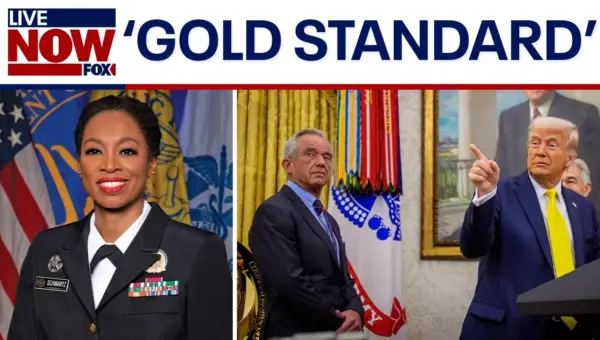
Trump Taps Dr. Erica Schwarz to Lead CDC Amid Midterm Push
President Donald Trump has nominated Dr. Erica Schwarz to lead the Centers for Disease Control and Prevention (CDC). The announcement, made on Truth Social, also included nominations for deputy directors and a senior counselor. This move aims to bring experienced leadership to the agency ahead of the midterm elections.

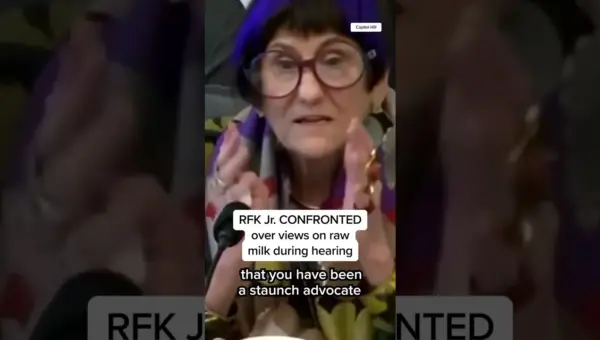
RFK Jr. Grilled on Raw Milk Stance During Capitol Hill Hearing
Robert F. Kennedy Jr. was questioned about his past support for raw milk during a Capitol Hill hearing. Representative Rosa DeLauro pressed him on whether he felt a moral duty to discourage raw milk consumption due to health risks. The exchange highlighted ongoing debates about food safety and personal choice.
RFK Jr. Accused of Lying to Congress About ‘Reparenting’ Black Children
Robert F. Kennedy Jr. is accused of lying to Congress about his past remarks suggesting all Black children need to be "re-parented" by the federal government. Critics, including Michael Steele, call the comments racist and evidence of his unfitness for office. The controversy highlights concerns about harmful stereotypes and the potential impact on health policy.