Ukraine Strikes Deep Inside Russia’s Rear
Ukraine is striking deep inside Russia's industrial heartland, targeting strategic plants and export routes. These drone attacks aim to cripple Moscow's ability to wage war and are forcing Russia to defend its interior, creating significant economic and security challenges.

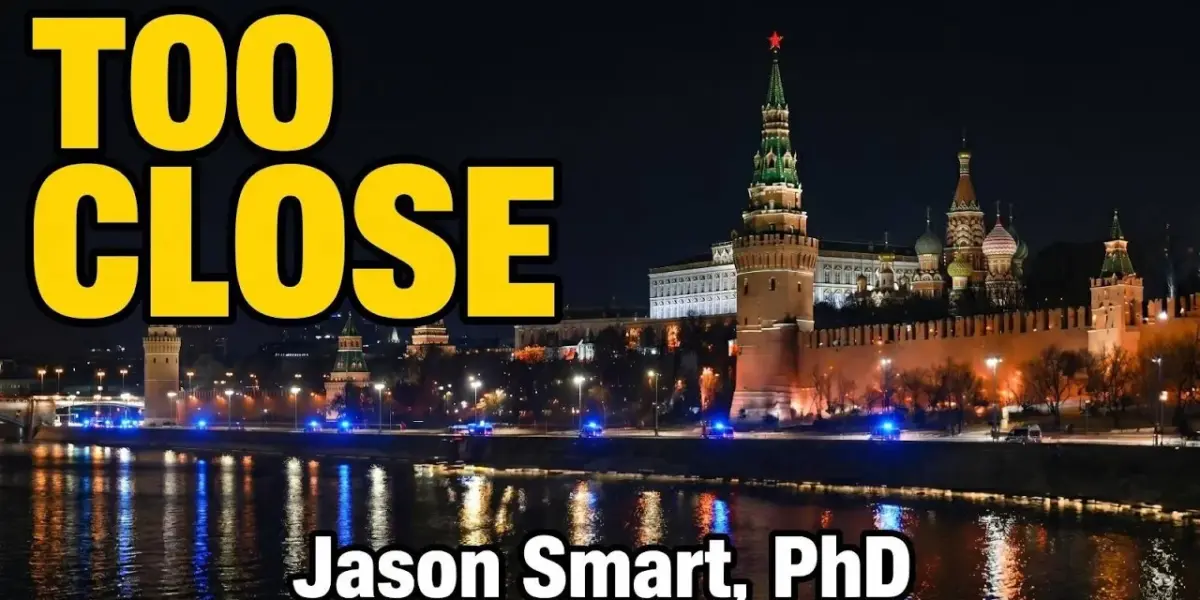
Ukraine Strikes Deep Inside Russia’s Rear
Ukraine’s sustained drone attacks are increasingly targeting industrial sites deep within Russian territory. These strikes aim to disrupt Russia’s ability to wage war by hitting key industries.
This strategy is a significant shift from earlier stages of the conflict. It forces Moscow to defend not only its front lines but also its interior.
The Kremlin’s initial assumption was that the war would remain distant from Russian citizens. Vladimir Putin envisioned a conflict that would not disrupt daily life or the nation’s economy. However, Ukrainian actions are challenging this premise.
Strategic plants are now regularly targeted, and export routes are facing disruption. This widening of the conflict zone creates new security challenges for Russia.
Industrial Targets Under Fire
Recent attacks have hit facilities far from the front lines. One strike in Bishortan, located 1,500 kilometers from the conflict zone, targeted a plant producing synthetic rubbers and fuel components.
These are vital for oil refining and Russia’s military-industrial complex. Other strikes have focused on factories producing compounds needed for explosives.
These targeted attacks are designed to cripple Russia’s war-making capacity. By hitting the supply chains for essential materials, Ukraine aims to erode Moscow’s ability to produce weapons and maintain its military operations. This approach seeks to deny Russia the resources needed for a prolonged conflict.
Widening Zone of Danger
The attacks are reaching regions previously considered secure. The governor of Leningrad Oblast, an area nearly 2,000 kilometers from Ukraine, has declared it a frontline territory.
Ukrainian drones are reportedly shot down there every nine hours on average. This has led to a significant increase in defensive measures, with plans to add 54 more mobile fire groups.
Authorities are attempting to avoid public alarm, but the increased activity and reported disruptions, such as cell phone outages, are creating unease. The perception of insecurity is spreading, even in areas far from the active combat zones. This forces Russia to divert resources and attention to internal defense.
Economic and Political Strain
The pressure on Russia’s economy is mounting. Disruptions to industry and export routes can lead to inflation and shortages.
The cost of defending a larger territory also strains national resources. This situation is reportedly causing frustration and a sense of hopelessness among some officials and observers within Russia.
At a Moscow economics forum, attendees expressed concerns about the government’s ability to handle the escalating problems. Vladimir Putin himself reportedly attributed some economic issues to seasonal changes, suggesting a potential lack of understanding of the situation’s depth. This perceived ignorance could hinder effective responses to the growing economic challenges.
Internal Security Concerns
Beyond external attacks, Russia faces internal security issues linked to the war. Reports indicate that returning veterans of the conflict have been involved in a significant number of violent incidents within Russia. There has been a substantial increase in arrests within Russia’s military detention facilities.
The high casualty rates and the harsh conditions on the front lines are also leading to increased desertion. While the Chechen forces, previously used to deter deserters, are now reportedly stationed elsewhere, the issue of soldiers attempting to flee the conflict remains a challenge for Moscow.
Strategic Implications
Ukraine’s strategy of striking deep into Russia is designed to alter the war’s dynamics. Historically, Russia has relied on its size and ability to sustain a war of attrition. By bringing the fight to Russia’s industrial heartland and economic centers, Ukraine aims to break this advantage.
This approach destabilizes the Putin regime by eroding its image of control and security. It makes the war more costly and difficult for Moscow to sustain. The ultimate Ukrainian objective is to degrade Russia’s capacity to continue fighting, impacting its access to resources, weaponry, and financial means.
Historical Parallels
The current situation draws parallels to historical conflicts where a nation’s interior became a battleground. When a war extends beyond the front lines into the homeland, it can significantly impact public morale, economic stability, and political will. This was evident in various protracted conflicts throughout history where logistical and industrial centers became primary targets.
Russia’s own history includes instances where internal vulnerabilities were exploited in prolonged wars. The current Ukrainian strategy appears to be learning from these precedents, focusing on degrading the enemy’s ability to supply and sustain its forces from within its own borders.
Russia’s Response and Ukraine’s Strategy
While Ukraine focuses on degrading Russia’s war-making ability, Russia continues its strategy of missile and drone attacks against Ukrainian cities. These attacks, often targeting civilian infrastructure, are seen by some analysts as Russia’s last attempt to create a decisive shift in the conflict.
However, Ukraine’s focus on Russia’s industrial base presents a different kind of pressure. By targeting the sources of Russia’s military production and economic stability, Ukraine aims to force a strategic reassessment from Moscow. This approach, if sustained, could lead to a critical weakening of Russia’s military position.
The Road Ahead
The current situation suggests increasing pressure on the Russian system. With a struggling economy, ongoing attacks within its borders, and potential manpower shortages, Moscow faces significant challenges. These combined pressures could lead to a breaking point on the front lines, potentially allowing Ukraine to reclaim its territory.
The coming months will be critical in observing how Russia responds to these complex pressures. The effectiveness of Ukraine’s deep strikes and Russia’s ability to maintain internal stability will be key factors in determining the war’s trajectory.
Source: Frontline Breach Now Hits Moscow (YouTube)

Related Articles

Ukraine Strikes Deep: Russia Reels From Drone Attacks
Ukrainian drones have successfully struck Russian port facilities deep within Russia, highlighting air defense vulnerabilities and causing panic on Russian state television. The attacks aim to disrupt Russia's war economy, while Moscow struggles with internal internet restrictions and continues its propaganda efforts.

Ukraine’s Drones Hit Russian Rear: A New War Phase
Ukraine is now using medium-range drones to strike Russian logistics hubs like Donetsk, deep behind enemy lines. This new strategy targets supply routes, disrupting Russia's ability to fight. Meanwhile, Russia continues its heavy missile and drone attacks on Ukrainian cities.


Pope Francis Denounces ‘Tyrants,’ Bishop Urges Peace
Pope Francis has strongly denounced "tyrants" ravaging the world, urging global leaders to prioritize peace and the rebuilding of nations over destruction. Bishop Kenneth Novakski of the Ukrainian Catholic Church supported the Pope's message, clarifying that while the pontiff's words were powerful, they were not specifically directed at any individual leader. The Bishop also highlighted the ongoing focus on ending the war in Ukraine and praying for world peace.