Iran Can Outlast US Blockade, Ex-Diplomat Warns
The U.S. has imposed a naval blockade on Iran after peace talks collapsed, with President Trump warning of severe consequences for any ships approaching the blockade. Despite U.S. pressure, former Deputy Secretary of State Wendy Sherman warns Iran has the capacity to outlast the blockade, citing its history of resistance.

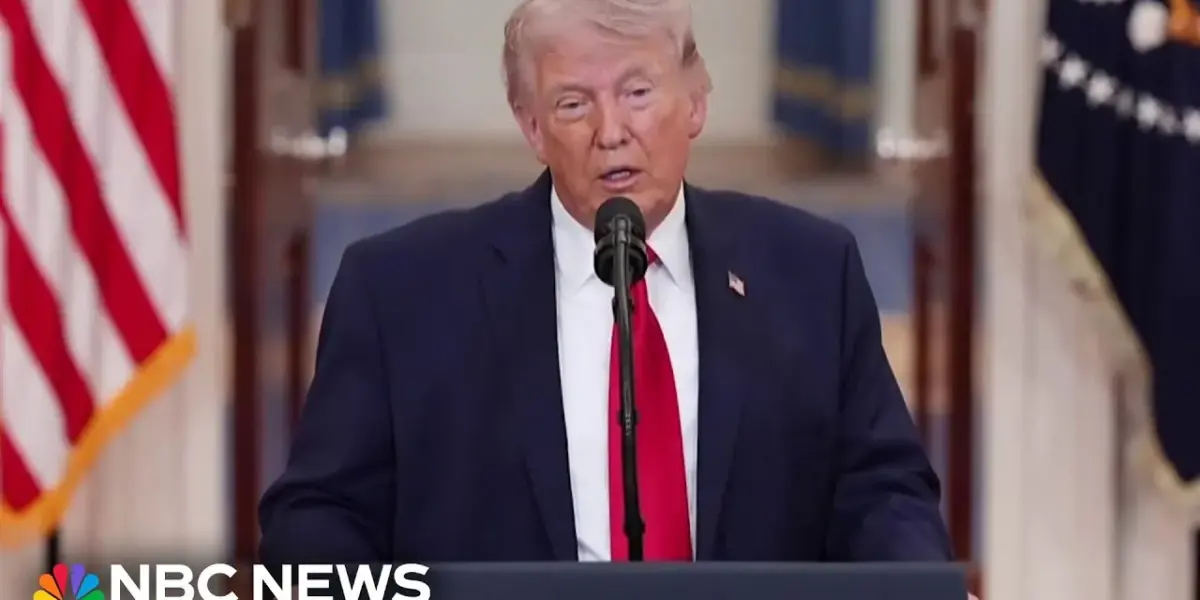
US Imposes Naval Blockade on Iran After Talks Collapse
The United States has begun a naval blockade of Iranian ports following the breakdown of peace negotiations between the two nations. President Trump ordered the blockade, targeting all maritime traffic to and from Iran, after talks in Islamabad failed to yield an agreement to end the ongoing war. The Pentagon stated the blockade would not prevent other ships from passing through the Strait of Hormuz, a critical waterway for global oil transport.
Iran Calls Blockade ‘Illegal’ and ‘Piracy’
Iran’s armed forces have denounced the U.S. restrictions as illegal and an act of piracy. President Trump, speaking outside the Oval Office, defended the move, stating that Iran was attempting to blackmail the world. He issued a stern warning on social media, vowing that any Iranian ship approaching the U.S. blockade would be “immediately eliminated.” The White House claims Iran’s refusal to abandon its nuclear ambitions was the reason for the collapsed talks.
Negotiations Stall as Nuclear Ambitions Remain a Sticking Point
Vice President Vance’s 21-hour closed-door negotiations in Islamabad over the weekend concluded without a deal. The White House insists that Iran’s pursuit of nuclear weapons is a non-negotiable issue. While President Trump initially suggested he was indifferent to Iran returning to the negotiating table, he later claimed that appropriate contacts had been made and expressed confidence that Iran desires a deal. “Iran will not have a nuclear weapon,” Trump stated, adding that the U.S. would either retrieve or take the necessary materials if an agreement wasn’t reached.
Public Disapproval and Rising Gas Prices Add Pressure
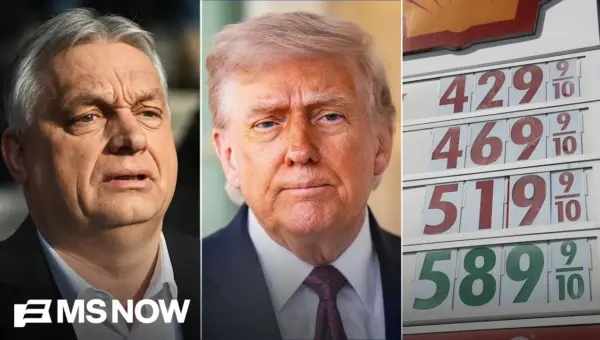
The political fallout from the conflict is intensifying, with a new CBS YouGov poll showing 64% of Americans disapprove of the President’s handling of the situation. Concerns over rising gas prices are also mounting. President Trump acknowledged that fuel costs could remain elevated heading into the midterm elections, a point of growing worry for his party. National average gas prices have seen a significant increase since the war began in February, making it difficult for Americans to focus on the administration’s economic wins.
Military Experts Weigh In on Blockade Effectiveness
Retired Vice Admiral Kevin Donegan, former Commander of the U.S. Navy’s Fifth Fleet, explained that the blockade’s objective is to prevent ships from leaving or entering Iranian ports along its entire coastline. However, he anticipates a focus on surveillance rather than immediate confrontation. “It would likely be to monitor what those ships are doing with surveillance assets and such,” Donegan noted. He suggested that sanctioned ships would be identified and then given direction, rather than facing immediate strikes.
Concerns Over Escalation and International Response
Courtney Kube, Senior National Security Correspondent, highlighted concerns about potential escalations, particularly regarding Iran’s fast boats, which have a history of harassing ships. The comparison to the Venezuelan situation, where small boats were reportedly destroyed, was deemed not entirely applicable due to the larger size of vessels typically transiting the Strait of Hormuz. There is also worry about potentially stopping Chinese or Russian ships, which could provoke significant international backlash.
China’s Role and Potential Provocation
Intelligence suggests China may be planning to send air defense systems or parts to Iran in the coming weeks. This potential move is viewed as a provocation, especially given China’s past provision of non-lethal components to Russia for use in Ukraine. The transfer of air defense technology could have lethal consequences if U.S. aircraft were targeted.
Former Deputy Secretary of State: Iran Can Outlast US
Wendy Sherman, former Deputy Secretary of State and lead negotiator of the Iran Nuclear Deal, offered a stark assessment of the situation. She stated that Iran is a “culture of resistance” and has demonstrated resilience, particularly during the eight-year Iran-Iraq War. “I think they can outlast us and they can take actions,” Sherman warned. She believes Iran has the capacity to endure the economic pressure from the blockade, potentially by waiting out the U.S. as oil prices rise, which would further impact the American economy and public support for the conflict.
A Fragile Ceasefire and Existential Concerns
Sherman also pointed out that while the U.S. demands an end to all enrichment, Iran believes it has a right to enrich for civil nuclear purposes under the Non-Proliferation Treaty. This is seen as a matter of pride for Iran, and while they may be willing to constrain their program, they are unlikely to give it up entirely. She stressed that the current blockade strategy, while creating economic costs, might not be enough to force Iran’s capitulation and could lead to dangerous retaliatory actions or a prolonged standoff.
What’s Next?
The coming days will be crucial in determining how Iran responds to the U.S. naval blockade and whether any further diplomatic channels remain open. International reactions, particularly from China and Russia, will be closely watched. The impact of sustained high oil prices on American public opinion and the upcoming midterm elections will also continue to shape the administration’s approach to the escalating tensions.
Source: Iran ‘can outlast’ U.S. naval blockade, says former deputy secretary of state (YouTube)

Related Articles
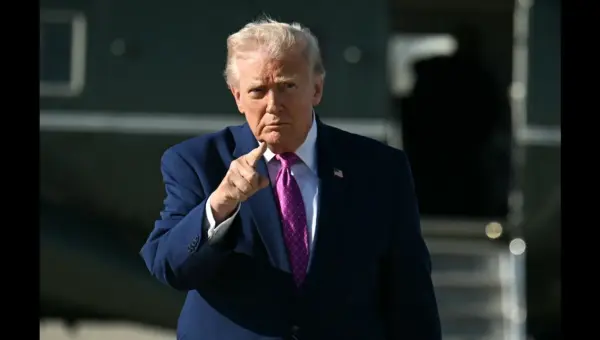
Trump’s Tariff Threat: China’s Iran Arms Deal Sparks Crisis
President Trump has warned China against supplying weapons to Iran, threatening a "staggering" 50% tariff if they do. U.S. intelligence reports suggest China may be preparing to send air defense systems, including missiles, to Iran. This development significantly heightens tensions ahead of a crucial summit between President Trump and Chinese President Xi Jinping.

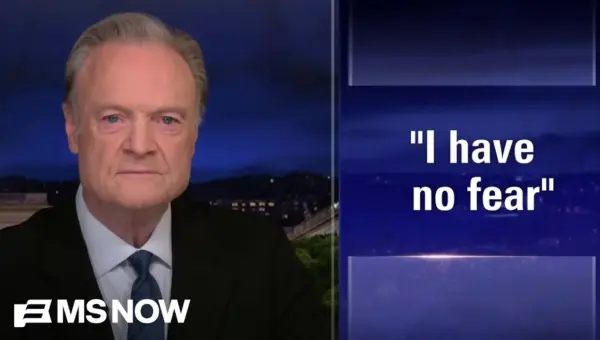
Trump’s ‘Madman’ Posts and Iran War Raise Mental Health Concerns
Former President Donald Trump's mental fitness is under renewed scrutiny following controversial statements about the Pope and Iran, alongside a former Chief of Staff's reported conclusion of mental illness. His handling of the Iran conflict and a 'Christ-like' social media post are cited as evidence of erratic behavior.

Trump’s Iran Blockade Gamble: High Stakes, Uncertain Rewards
The U.S. has launched a naval blockade of Iranian ports, aiming to cripple Iran's economy and oil exports. This move escalates tensions and risks higher global oil prices. Despite claims of international support, allies remain hesitant, raising questions about the strategy's effectiveness and its potential to backfire.