Iran Attacks Ships, US Extends Ceasefire Amid Tensions
Iran has fired on ships in the Strait of Hormuz, leading to an extended US ceasefire and continued naval blockade. Meanwhile, Virginia voters approved a new congressional map favoring Democrats, and Senate Republicans are moving forward with a Homeland Security funding plan. The Pentagon also announced a $1.5 trillion defense investment.

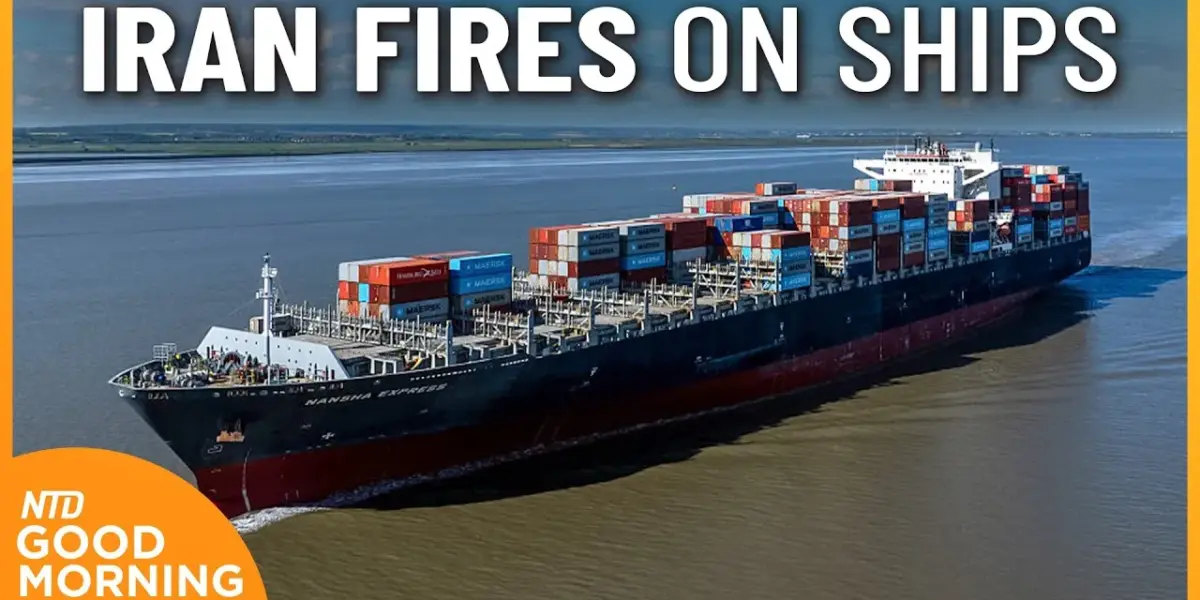
Iran Attacks Ships, US Extends Ceasefire Amid Tensions
In a dramatic turn of events, Iran has fired upon at least three ships in the crucial Strait of Hormuz. This aggressive action occurred just as President Trump announced an extension of the ceasefire with Iran. The US military has been directed to continue its naval blockade on Iranian ports until a new deal is reached.
Naval Blockade and Economic Pressure
The incident at the Strait of Hormuz, a vital waterway for global oil transport, saw one Liberian-flagged vessel sustain significant damage. Fortunately, all crew members were reported safe.
This event unfolds against the backdrop of President Trump’s decision to extend the ceasefire, citing Iran’s fractured leadership and a request from Pakistan’s Prime Minister. The US military’s continued blockade of Iranian ports aims to exert economic pressure on the regime.
The President stated that Iran is facing severe financial collapse, losing an estimated $500 million per day due to the blockade. This pressure is reportedly causing unrest within Iran’s military and police forces, who are not receiving their pay. The US Treasury Department has also sanctioned 14 entities for aiding Iran in acquiring weapons, further isolating the regime.
Internal Iranian Dynamics and Negotiation Strategy
Analysts suggest that the prolonged blockade is intended to force Iran’s various factions to negotiate their exit from power, rather than to strike a traditional deal. The regime’s internal disarray, with different groups like the IRGC and career politicians vying for control, presents a complex negotiation challenge. President Trump has also called for the release of eight Iranian women facing execution, viewing it as a potential positive start to negotiations.
The economic impact of the blockade is significant. Iran’s oil exports, which form the backbone of its budget, are heavily sanctioned.
Running out of storage space for oil could force the shutdown of oil fields, which may take months to restart. This mirrors situations seen in Venezuela, where mismanagement led to a collapse in oil production.
China’s Role and US-Iran Relations
Concerns have been raised about foreign support for Iran during this period. A sanctioned Iranian-flagged cargo ship, previously linked to Chinese ports, was seized by the US.
This ship was on a US sanctions list and is believed to have been involved in transporting dual-use chemicals for ballistic missiles. While China denies involvement, such actions highlight the complex geopolitical dynamics at play.
The US views these actions as a direct challenge to its efforts to stabilize the region and pressure the Iranian regime. The ongoing tensions highlight the delicate balance of power and the potential for further escalation in the Strait of Hormuz. The US hopes that sustained economic pressure will lead to a more favorable negotiating position.
Virginia’s New Congressional Map
In domestic news, Virginia voters have approved a new congressional map that is expected to heavily favor Democrats. The vote was close, and Republicans are challenging the map in court, citing deceptive language on the ballot. The new map aims to create ten Democrat-leaning districts out of eleven, a significant shift from the current split.
This redistricting effort is seen as a move to counter Republican gains in other states, such as Texas. Democrats argue it helps to level the playing field, while Republicans contend it is a blatant act of gerrymandering that dilutes their voting power. The legal challenges mean the map’s implementation is not yet certain.
Senate Republicans Advance Homeland Security Funding
Senate Republicans have taken a major step to break a deadlock over Homeland Security funding. They have advanced a plan that would allow for the bill’s passage without Democratic support, using a process called reconciliation. This move aims to allocate significant funding to agencies like ICE and Border Patrol.
Democrats have opposed the current funding proposal, demanding reforms and linking funding to broader immigration policies. The Republican plan, if approved, would fund immigration enforcement separately, leaving other Department of Homeland Security matters for another bill. This partisan approach highlights the deep divisions on immigration policy.
Pentagon’s Generational Investment in Defense
The Pentagon has unveiled a $1.5 trillion defense plan, described as a generational investment in the U.S. military. This budget request represents a significant increase in spending, focusing on areas like drone warfare, space capabilities, and shipbuilding.
The plan includes a massive increase in funding for drone technology, aiming to triple spending to around $75 billion. Space programs will also see a substantial boost, with over $75 billion allocated for the U.S. Space Force and missile defense systems. The budget also calls for the largest ship-building request since 1962, with plans for new battle force ships and aircraft carriers.
Why This Matters
The escalating tensions in the Strait of Hormuz, coupled with economic sanctions, place significant pressure on Iran’s leadership. This could lead to internal instability or force a more desperate negotiating stance. The US strategy appears to be one of sustained economic pressure to achieve foreign policy goals, a tactic with historical precedents and significant risks.
Domestically, the Virginia redistricting battle and the Senate’s approach to Homeland Security funding highlight the intense political divisions shaping the country. These issues will likely influence upcoming elections and the direction of national policy on immigration and representation.
Future Outlook
The coming weeks will be critical in determining the outcome of negotiations with Iran and the stability of the Strait of Hormuz. The effectiveness of the US naval blockade and its impact on Iran’s internal politics will be closely watched. The legal challenges in Virginia could also reshape the political landscape heading into future elections.
The Pentagon’s massive defense budget signals a commitment to modernizing the U.S. military in response to perceived threats. This significant investment in advanced technologies like drones and space-based systems indicates a focus on future warfare and maintaining a technological edge over potential adversaries.
Source: Iran Fires on Ships in Hormuz Strait; VA Approve New Congressional Map | NTD Good Morning (April 22) (YouTube)

Related Articles


Trump Extends Ceasefire, But Oil Prices and Strait of Hormuz Remain Tense
President Trump has extended a ceasefire with Iran, but the Strait of Hormuz remains a point of tension, impacting global oil prices. Experts suggest both sides have suffered losses, and the path forward requires de-escalation and confidence-building measures. Donald Trump's negotiating tactics have been criticized as aggressive rather than diplomatic.
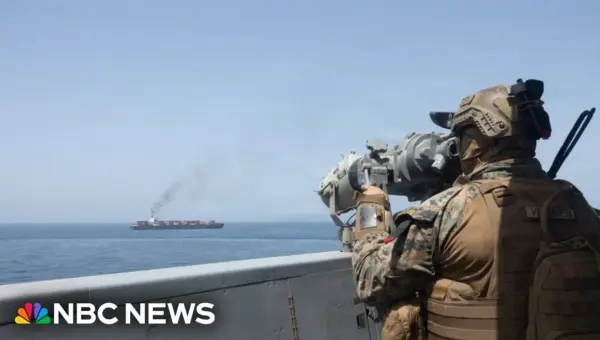
Middle East Tensions Flare Amid Ceasefire Extension
President Trump has extended a ceasefire with Iran indefinitely, but tensions remain high as Iran reportedly fired on cargo ships in the Strait of Hormuz. Meanwhile, a Federal Reserve nominee faces scrutiny on Capitol Hill, and severe weather and wildfires continue to impact parts of the U.S.

Iran Escalates Tensions: Ships Bombed, Hostages Taken
Iran has escalated tensions by attacking multiple ships in the Strait of Hormuz, causing damage and possibly taking hostages. Mysterious explosions also hit an oil refinery in Iraq and security checkpoints in Iran. These actions occur despite a reported ceasefire extension, signaling a dangerous rise in regional instability.