US Enforces Strait of Hormuz Blockade on Iran
The U.S. has implemented a strategic blockade targeting maritime traffic to and from Iranian ports in the Strait of Hormuz. This operation aims to increase economic pressure on Iran, while allowing non-Iranian shipping to continue. Oman's limited military response in the region is noted, contrasting with Iran's development of strategic island facilities.


US Enforces Strait of Hormuz Blockade on Iran
The United States has initiated a strategic blockade targeting maritime traffic to and from Iranian ports. This operation, which began on April 13th at 10:00 a.m.
Eastern Time, aims to restrict Iran’s ability to export oil and exert pressure on its regime. The blockade focuses specifically on traffic to and from Iranian ports, rather than attempting to close the entire Strait of Hormuz.
US Central Command reported that during the initial 24 hours, no ships successfully entered or exited Iranian ports in violation of the blockade. Six merchant vessels, five of which were carrying oil, were warned by U.S. forces.
These ships complied with the warnings and turned back into an Iranian port in the Gulf of Oman. This action demonstrates the U.S. intent to control the flow of oil through this critical waterway.
Soft Blockade Strategy
The U.S. approach is described as a “strategic soft blockade.” This means the strait is not entirely closed, and non-Iranian shipping is permitted to pass. The goal is to allow some oil to continue flowing through the strait while specifically preventing Iran’s oil exports. This nuanced strategy aims to maximize economic pressure on Iran without completely disrupting global oil markets.
This approach acknowledges the delicate balance required in the region. By allowing certain ships to pass, the U.S. avoids escalating tensions with countries like China and Russia, who are significant trading partners with Iran. It also allows for continued diplomatic engagement while maintaining significant economic leverage.
Oman’s Strategic Position and Limited Response
The Strait of Hormuz is a vital chokepoint for global oil transport, bordering Iran and Oman. Satellite imagery and analysis highlight the strategic importance of Oman’s coastline. Despite its proximity to Iran and the critical waterway, Oman has shown minimal military presence in the area, focusing instead on civilian infrastructure like cafes and markets.
This lack of a significant naval presence in Oman has been noted as a missed opportunity for regional security. Experts suggest that Oman could have developed its military capabilities to counter Iranian threats, such as fast attack craft and drones. The development of civilian infrastructure, while enhancing local amenities, does not contribute to deterring potential aggression.
Iranian Tactics and Regional Concerns
Analysis of the region indicates a pattern of merchant vessel attacks, occurring even in areas where Iran has claimed to lay mines. The effectiveness and presence of these claimed minefields are questioned, as direct attacks on ships suggest a different tactic. Iran’s strategy appears to involve a combination of alleged mine-laying and direct harassment of vessels.
Iran has developed strategic islands like Abu Musa and Greater Tomb, which are located in the strait. These islands feature military-grade runways and facilities, suggesting a dual-use strategy. This development allows Iran to potentially offload cargo, including drones like the Shahed, and project power closer to vital shipping lanes.
Diplomatic Efforts and Future Outlook
The current situation involves ongoing diplomatic efforts, with Iran reportedly seeking a five-year moratorium on uranium enrichment. The U.S. has proposed a twenty-year moratorium. The outcome of these negotiations will significantly impact regional stability and the future of Iran’s nuclear program.
While there have been no direct kinetic incidents or military responses from Iran to the blockade thus far, the situation remains tense. Iran’s apparent de-escalation may stem from a desire to avoid further conflict and explore diplomatic solutions. However, the strategic importance of the Strait of Hormuz means that any miscalculation could lead to a significant escalation.
Source: Trump Just Warned Iranian Ships That They Will Be ELIMINATED LIVESTREAM (YouTube)

Related Articles

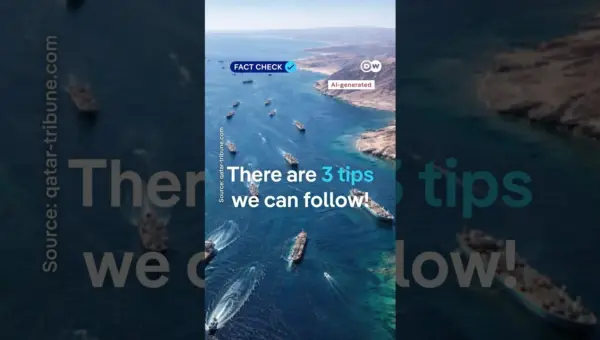
Fake Images Fuel Strait of Hormuz News: How to Spot AI
Many news outlets are using AI-generated images to cover the Strait of Hormuz, a vital oil and gas route. These fake pictures can mislead the public about real-world events. Experts suggest checking image sources, looking for logical errors, and using reverse image searches to spot fakes.
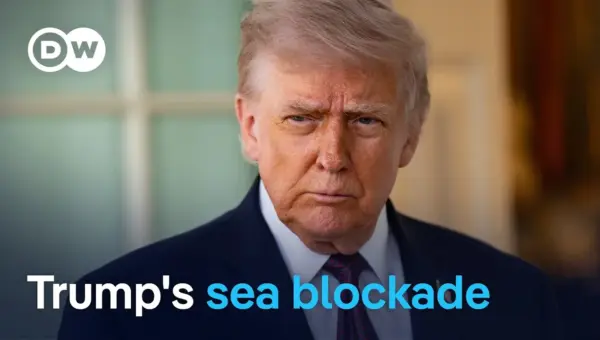
US Blocks Strait of Hormuz, Sparking Global Concern
The United States has begun blocking ships in the Strait of Hormuz, a crucial global oil transit route. This move follows a previous six-week blockade by Iran and is seen as a pressure tactic by the Trump administration. Analysts express concern over potential escalation and global economic fallout.

Iranians Rally Against US Sanctions, Vow Retaliation
Thousands of Iranians rallied against U.S. sanctions and perceived aggression, showing strong support for their armed forces. The protests highlighted concerns over the Strait of Hormuz and issued warnings of retaliation should threats materialize. The demonstrations underscore national resolve amidst ongoing international pressure.