US Blocks Strait of Hormuz, Sparking Global Concern
The United States has begun blocking ships in the Strait of Hormuz, a crucial global oil transit route. This move follows a previous six-week blockade by Iran and is seen as a pressure tactic by the Trump administration. Analysts express concern over potential escalation and global economic fallout.

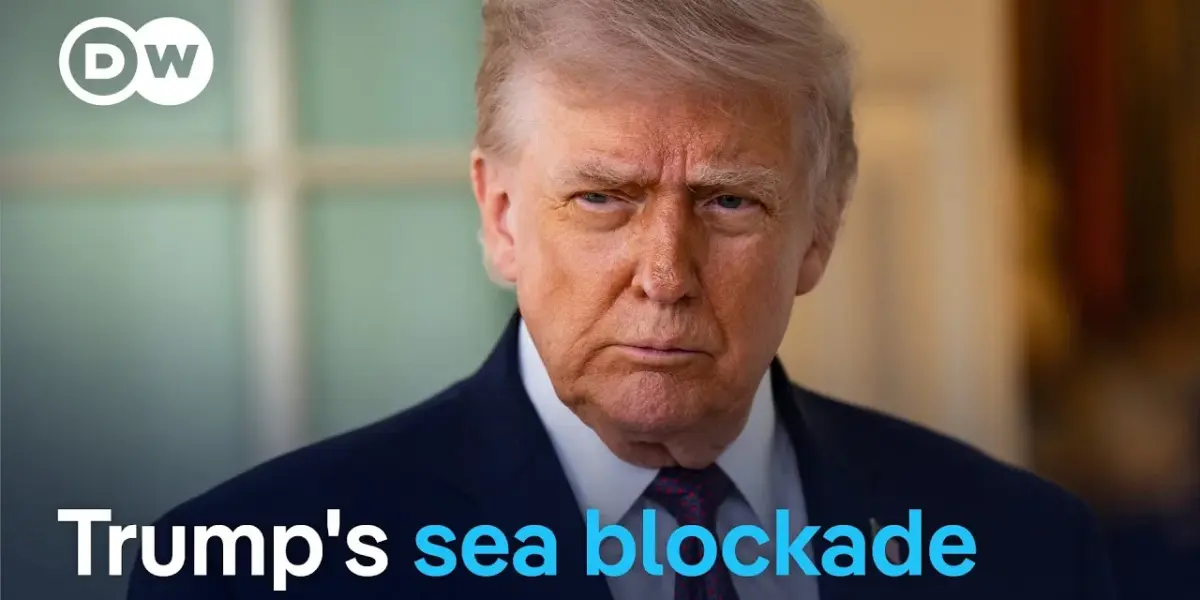
US Blocks Key Shipping Route
The United States has begun blocking ships from passing through the Strait of Hormuz, a vital waterway for global oil transport. This action comes after Iran had previously blocked the strait for six weeks. The move raises significant questions about President Donald Trump’s strategy and its potential impact on international relations.
The Strait of Hormuz is a narrow channel between Iran and Oman. It is one of the world’s most important oil transit points.
About 30% of the world’s seaborne oil trade passes through this strait daily. Any disruption here can cause major problems for the global economy.
Reasons Behind the Blockade
Analysts suggest the U.S. action is intended to put pressure on Iran. The goal may be to force Iran back to the negotiating table regarding its nuclear program and regional activities. This move could also be aimed at influencing European allies, urging them to take a firmer stance against Iran.
Christopher Preble, a Senior Fellow at the Stimson Center, commented on the situation. He noted that such actions carry significant risks.
“What could happen next is a source of concern for many,” Preble stated, highlighting the unpredictable nature of escalating tensions in the region. This suggests a high level of worry among experts about potential unintended consequences.
Global Economic Impact
A blockade of the Strait of Hormuz, whether by Iran or the U.S., has immediate and far-reaching economic consequences. Oil prices could surge as supply routes are threatened.
This would directly affect consumers worldwide through higher fuel costs and increased prices for many goods. Businesses relying on stable energy prices would also face challenges.
The strait’s strategic importance means that any military action or significant disruption there is watched closely by global markets. It is like a crucial artery for the world’s energy supply; if it’s squeezed, the whole body feels the pain. This situation tests the resilience of the global supply chain.
International Reactions and Concerns
European nations, who have sought to maintain diplomatic ties with Iran, are likely concerned about this U.S. policy shift. They may see it as undermining their efforts to de-escalate tensions. The move could create friction between the U.S. and its European allies, who often favor diplomatic solutions over military pressure.
The potential for miscalculation is high in such a tense environment. Different interpretations of actions or intentions could lead to unintended escalation.
The international community is watching closely to see how this situation develops and what diplomatic efforts might be made to defuse it. The risk of a wider conflict remains a serious concern.
Looking Ahead
The coming weeks will be critical in determining the outcome of this U.S. action. Diplomatic channels will likely be busy as nations try to understand the full implications and seek de-escalation. Observers will be looking for signs of negotiation or further military posturing.
The focus will remain on whether the U.S. blockade achieves its intended goals without provoking a wider conflict or severe economic fallout. The situation is fluid, and future developments will depend on the strategic decisions made by Washington and the reactions from Tehran and other global powers.
Source: Why is the US blockading the Strait of Hormuz? | DW News (YouTube)

Related Articles
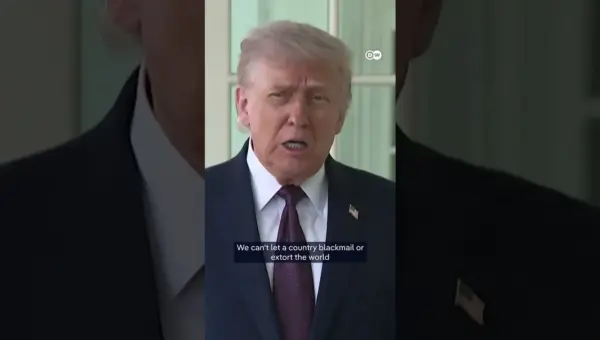
Iranians Rally Against US Sanctions, Vow Retaliation
Thousands of Iranians rallied against U.S. sanctions and perceived aggression, showing strong support for their armed forces. The protests highlighted concerns over the Strait of Hormuz and issued warnings of retaliation should threats materialize. The demonstrations underscore national resolve amidst ongoing international pressure.

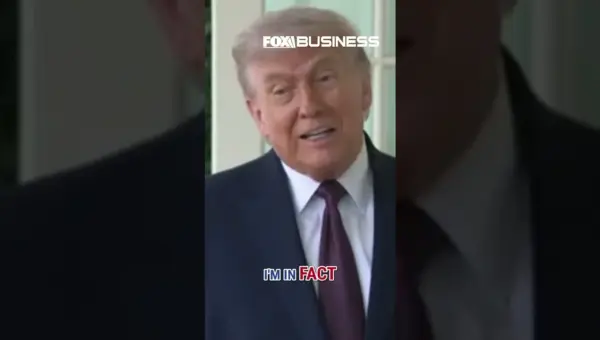
Trump Demands Iran Nuclear Ban: ‘No Deal’ Without It
Former President Donald Trump has declared that any deal with Iran must include a ban on nuclear weapons. He stated unequivocally that without this agreement, no deal will be made. Trump expressed high confidence that Iran will eventually agree to this condition.

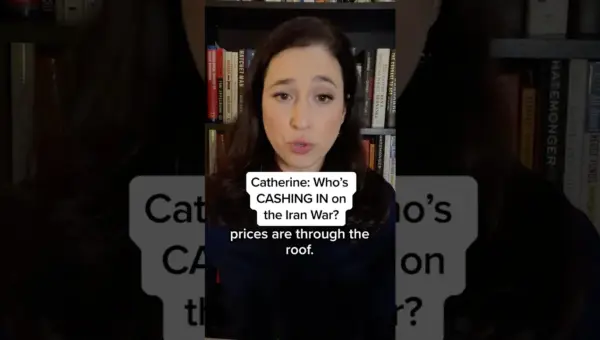
Profits Surge Amidst Iran Conflict: Who Benefits?
As geopolitical tensions rise, oil companies, defense contractors, and prediction markets are reporting significant financial gains. While the human cost of conflict mounts, these industries are cashing in on global instability and uncertainty. Catherine Rampell's analysis highlights this complex economic reality.