President’s Jesus Image Sparks Outrage, Clarification
A social media post by President [Insert President's Name Here] led to controversy, with many seeing the image as a depiction of him as Jesus Christ. His team clarified it was meant to show him as a doctor aiding the Red Cross, blaming "fake news" for misinterpretation.

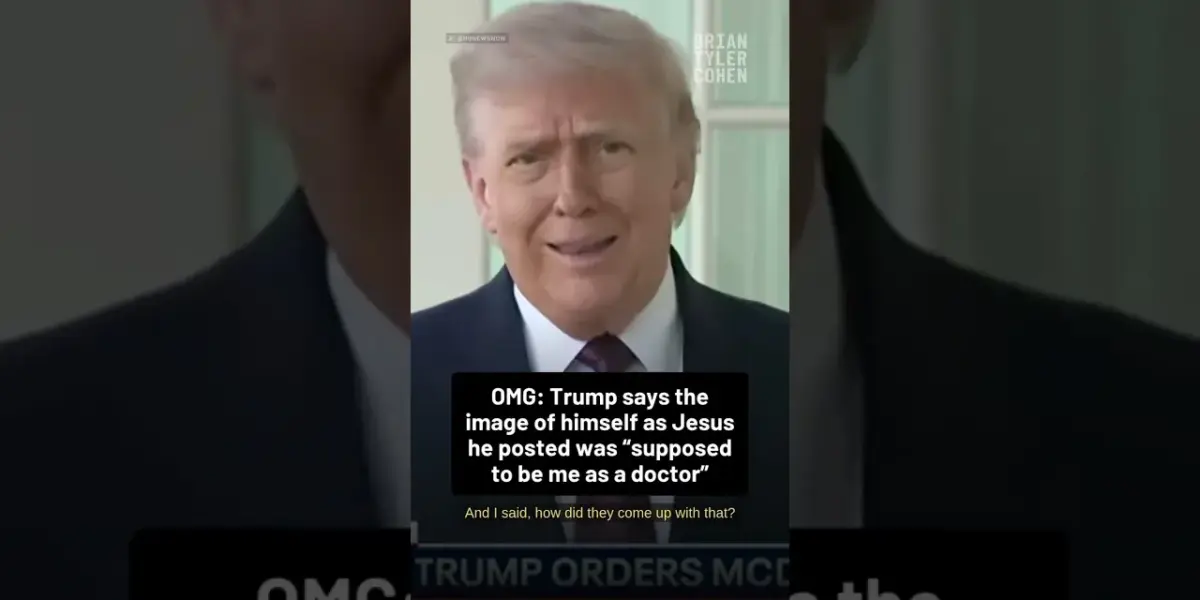
President’s Image Sparks Outrage, Clarification
The photograph, which circulated widely online, led to sharp criticism and accusations of blasphemy and narcissism from various groups and individuals.
However, the President’s team has since issued a clarification, stating that the image was intended to represent the President as a doctor helping others, specifically in relation to his support for the Red Cross. They argue that the “fake news” media has deliberately misrepresented the original intent of the photograph.
The Controversy Unfolds
The initial reaction to the image was overwhelmingly negative. Many saw the post as highly inappropriate, especially for a public figure in a position of leadership.
Critics argued that such imagery was disrespectful to religious beliefs and demonstrated an unhealthy ego. Social media platforms buzzed with debate, and news outlets quickly picked up on the story, fueling the public outcry.
The President himself addressed the controversy, expressing surprise at the interpretation. He stated that he believed the image was of himself as a doctor, working with the Red Cross. He emphasized his commitment to helping people and making them better, suggesting that the negative interpretation was a deliberate distortion of his intentions.
Intent vs. Perception
This incident highlights a significant challenge in modern communication: the gap between intended meaning and public perception. In a time of rapid information sharing, images and messages can be quickly taken out of context and interpreted in unintended ways. The President’s supporters believe he is being unfairly targeted by those who oppose him, and that the media is amplifying negative interpretations.
Conversely, critics maintain that the President should have been more mindful of how such an image could be perceived, regardless of his personal intent. They argue that public figures, especially presidents, have a responsibility to consider the potential impact of their actions and communications on a diverse population with varied beliefs.
Historical Context of Presidential Imagery
Throughout history, political leaders have used imagery to connect with voters and project certain qualities. From Abraham Lincoln’s solemn portraits to modern campaign ads, visual representation has always been a powerful tool in politics. However, the use of overtly religious or messianic imagery by political figures is a sensitive area, often leading to accusations of overreach or an attempt to claim divine endorsement.
Examples of presidents or presidential candidates referencing religious themes are not uncommon. However, the specific depiction in this case, which many viewers found to be directly equating the President with a divine figure like Jesus Christ, pushed the boundaries for a significant portion of the public. This has led to a broader discussion about the appropriateness of such powerful symbolism in secular political discourse.
Why This Matters
This event is more than just a fleeting social media controversy. It speaks to the broader issues of trust, media interpretation, and the way public figures communicate today. How leaders choose to present themselves, and how those presentations are received, can have a real impact on public opinion and political discourse.
The incident also raises questions about the role of “fake news” and misinformation in shaping public perception. The President’s team’s use of the term suggests a belief that the negative reaction was manufactured or amplified by biased reporting. Understanding these dynamics is crucial for citizens trying to make informed decisions about their leaders and the information they consume.
Implications and Future Outlook
Moving forward, this event may lead to increased scrutiny of the President’s social media activity and public statements. It could also prompt other political figures to be more cautious about the imagery they use. The incident is a reminder that in today’s hyper-connected world, every image and every word can be amplified and debated instantly.
The long-term impact will depend on how consistently the President’s team addresses such issues and how the public continues to engage with political messaging. The debate over the image’s intent versus its perception is likely to continue, reflecting deeper societal discussions about religion, politics, and the power of visual communication.
Looking Ahead
The President’s office stated that his support for the Red Cross and his commitment to helping people remain his top priorities. The controversy over the image is a clear reminder of the challenges presidents face in managing their public image in the fast-paced digital environment. Future communications will likely be carefully reviewed for any potential misinterpretations.
The ongoing discussion highlights the need for clear communication and careful consideration of symbolism in political messaging.
Source: BTC Video Templates 6 copy (YouTube)

Related Articles


Viral ‘Lost Dogs’ Story in China Exposed as Fake
A viral story about seven dogs escaping captivity in China, which attracted millions of views and inspired AI-generated content, has been revealed as fake. The dogs, known as the 'Wagnent 7,' were not stolen but were simply roaming freely, according to their owners and local reports. The incident highlights the complexities of online narratives and the growing pet culture in China.

Iran Wields AI and Fake Accounts in Global Disinformation War
Iran is waging a sophisticated information war online, utilizing a network of fake social media accounts and AI-generated fake videos. Researchers have uncovered state-sponsored operations spreading disinformation across platforms like X. This digital campaign aims to influence global perceptions of ongoing conflicts.
Trump: AI Image Showed Him as Doctor, Not Jesus
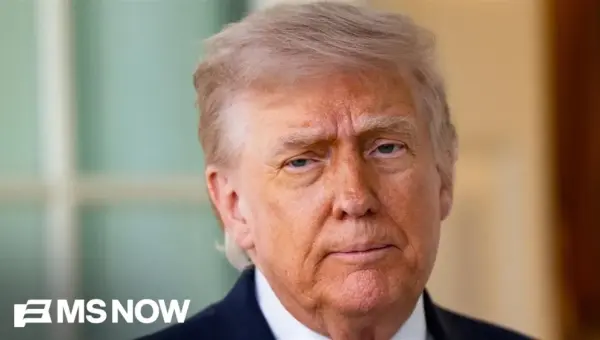
Former President Donald Trump explained a controversial AI-generated image he posted and deleted, stating it depicted him as a doctor helping people, not as Jesus. He blamed 'fake news' for misinterpreting the image, which he claimed showed him in a doctor's coat with antibiotic lotion, not divine light.