Hungary Eyes ICC Return Under New Leadership
Hungary's new leadership is making a significant foreign policy change by seeking to rejoin the International Criminal Court (ICC). This move signals a commitment to global legal standards and a departure from the previous government's stance. The administration also reaffirmed its zero-tolerance policy towards antisemitism and highlighted the special relationship between Hungary and Israel.

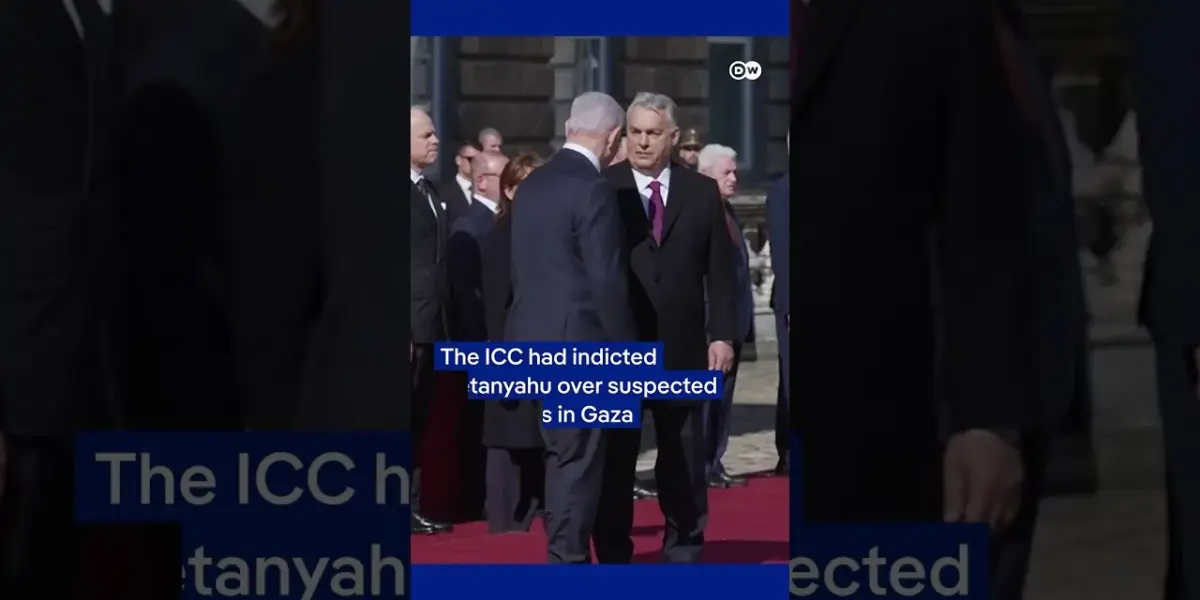
Hungary Seeks Reintegration with International Criminal Court
Hungary is signaling a significant shift in its foreign policy, with its new leadership expressing a strong desire to rejoin the International Criminal Court (ICC). This move marks a departure from the previous government’s stance and aims to re-establish Hungary’s cooperation with the international legal body. The intention was announced by key figures within the new administration, highlighting a commitment to global legal standards.
The International Criminal Court, based in The Hague, investigates and prosecutes individuals for war crimes, crimes against humanity, genocide, and the crime of aggression. For a nation to be a member, it must ratify the Rome Statute, the treaty that established the court. Hungary was an early signatory but withdrew its ratification in 2013.
Reasons for Rejoining the ICC
The new Hungarian leadership views rejoining the ICC as being in the best interest of both Hungary and the international community. They believe that active participation in the global legal framework is crucial for maintaining peace and security. This approach suggests a desire to align Hungary more closely with international norms and judicial mechanisms.
“We believe it is in the interest of the international community and Hungary that we continue to be there, just as we have been before,” stated a representative involved in the policy shift. This sentiment highlights a belief in the importance of collective security and shared responsibility in upholding international law. The previous government’s withdrawal was seen by many as isolating Hungary on the global stage.
Addressing Antisemitism and Special Relations
A strong emphasis has been placed on Hungary’s commitment to combating antisemitism. The new government has pledged to maintain a policy of zero tolerance towards all forms of antisemitism, a stance that was also claimed by the previous administration. However, they have indicated a desire to implement more effective measures than those seen before.
“Hungary has always had zero tolerance for all forms of antisemitism, and this will continue to be the case,” a government spokesperson affirmed. The relationship between Hungary and Israel was described as special, with a significant number of Hungarian citizens living in Israel and many Israeli citizens visiting or residing in Hungary. The country is home to one of Europe’s largest Jewish communities, which reportedly lives in peace and security.
The new administration has vowed to reverse certain policies of the previous government, particularly those perceived as detrimental to international cooperation and the fight against prejudice. This includes a commitment to foster a more open and cooperative relationship with global institutions.
Broader Implications for Hungary’s Foreign Policy
Hungary’s potential return to the ICC signifies a broader recalibration of its foreign policy. It suggests a move away from isolationist tendencies and towards greater engagement with international legal frameworks. This could impact Hungary’s standing in the European Union and its relationships with other global partners.
Rejoining the ICC would mean Hungary accepts the court’s jurisdiction over serious international crimes. This could potentially subject Hungarian officials or citizens to investigation and prosecution if they are alleged to have committed such crimes. The decision reflects a strategic choice to re-engage with international justice mechanisms.
What to Watch Next
The coming months will be crucial as Hungary navigates the formal steps required to rejoin the ICC. This process will likely involve parliamentary debate and ratification of the necessary treaties. Observers will be watching closely to see how this policy shift is implemented and what impact it has on Hungary’s international relations and its commitment to global justice.
Source: Hungary's new leader wants to rejoin the ICC | DW News (YouTube)

Related Articles


Trump Demands Iran Nuclear Ban: ‘No Deal’ Without It
Former President Donald Trump has declared that any deal with Iran must include a ban on nuclear weapons. He stated unequivocally that without this agreement, no deal will be made. Trump expressed high confidence that Iran will eventually agree to this condition.

Pope Francis Responds to Trump’s Scathing Criticism
Pope Francis has responded to former President Donald Trump's criticisms regarding his stance on crime and foreign policy. Speaking while traveling, the Pope stated, 'I am a peacemaker, not a politician,' emphasizing his spiritual mission over political engagement. He also addressed Trump's claim that his election was influenced by the former president.

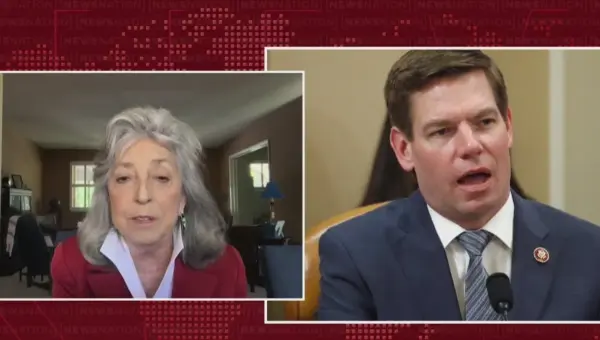
Congresswoman Titus Demands Swalwell Exit Amid Serious Allegations
Congresswoman Dina Titus has called for Eric Swalwell to resign from Congress and drop his California gubernatorial bid due to serious allegations. Titus also voiced concerns about the administration's foreign policy and the need for congressional oversight in military actions.