US Brokers Israel-Lebanon Ceasefire Talks Amidst Tensions
US Secretary of State Marco Rubio is mediating crucial ceasefire talks between Israel and Lebanon in Washington D.C. The negotiations aim to de-escalate ongoing conflict, which has exhausted residents and displaced over a million people. A central challenge is the disarmament of Hezbollah, an Iranian-backed group deeply entrenched in Lebanon's political and social fabric.

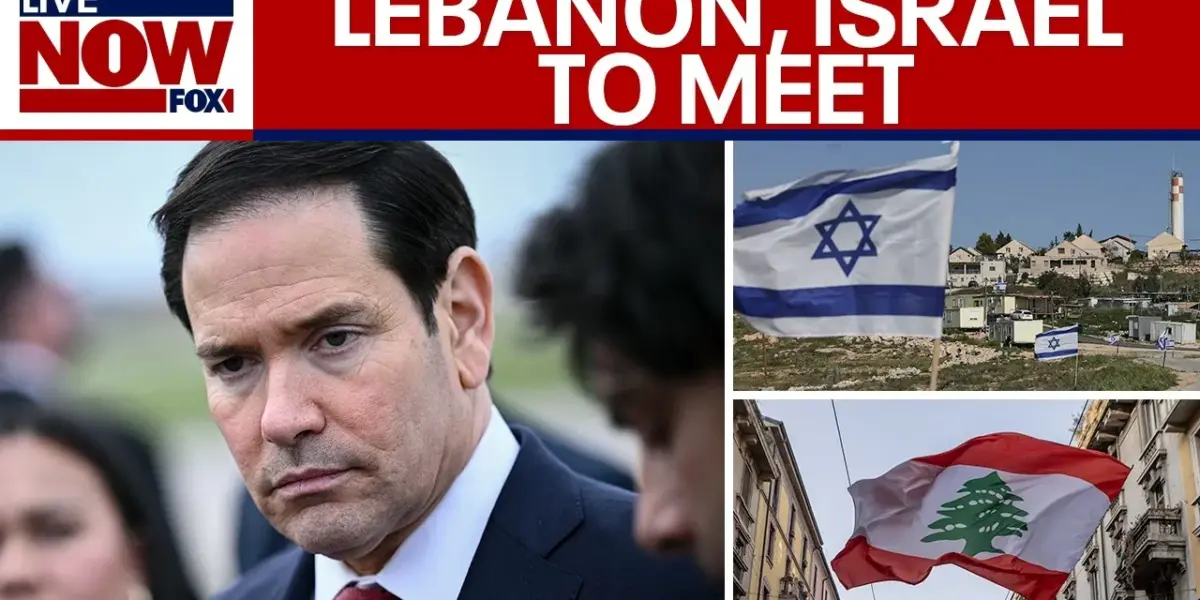
US Mediates High-Stakes Ceasefire Talks Between Israel and Lebanon
Washington D.C. is set to host crucial direct negotiations between Israeli and Lebanese officials today, aiming to secure a ceasefire and initiate broader discussions. The talks, authorized by Israeli Prime Minister Benjamin Netanyahu following repeated requests from the Lebanese government, represent a significant diplomatic effort to de-escalate the ongoing conflict.
Exhaustion and Hope on the Ground
Seth Franceman, speaking from Israel, described a population weary from nearly 918 days of conflict initiated by Hezbollah following the October 7th attacks. “People are exhausted,” Franceman stated, highlighting the daily rocket and drone attacks that disrupt life and instill fear. Israelis are eager for an end to the rocket fire and hope for the dismantling or disarmament of Hezbollah, a group that has been a persistent threat.
Unprecedented Direct Dialogue
The decision for Lebanese and Israeli officials to sit together for direct talks is being hailed as largely unprecedented. Historically, Lebanon and Israel have had complex relations, with Franceman suggesting a natural alignment that was disrupted by external influences. “Lebanon has been hijacked and used by Israel’s enemies,” he explained, citing the historical role of Palestinian groups and later Hezbollah in launching attacks against Israel from Lebanese soil.
The current talks are seen as vital, not just for the prospect of a ceasefire, but for the United States’ role as a mediator. While Lebanon may also seek involvement from European and Arab states, such as Saudi Arabia, which has a history of mediating in Lebanon, the immediate focus is on the US-brokered dialogue.
The Core Challenge: Disarming Hezbollah
A central question for the negotiations is whether the Lebanese government can demonstrate practical steps toward disarming Hezbollah. UN resolutions and prior promises have emphasized this need, but concrete action has been lacking. Franceman likened the challenge to disarming powerful cartels, noting the difficulty in governing a state when a heavily armed non-state actor operates within its borders.
Iran’s Shadow and Hezbollah’s Role
The influence of Iran on Hezbollah is a critical factor in the negotiations. Franceman described Hezbollah as an Iranian proxy, funded and built by Tehran to act as a frontline force against Israel. “Iran would use that as a front against Israel,” he noted, drawing parallels to the Soviet Union using Cuba as a proxy. This relationship means that any significant moves by Hezbollah are often influenced or directed by Iran.
Hezbollah’s dual role as a political entity with members in the Lebanese parliament and an armed militia complicates efforts to dismantle it. This structure makes it difficult to address the threat, as dismantling the armed wing could be seen as attacking a part of the political establishment. “It’s very hard to defang a group like that,” Franceman observed.
Impact of Military Strikes and Displacement
Recent Israeli strikes on Hezbollah infrastructure have led to significant displacement in southern Lebanon, with an estimated one to one-and-a-half million people forced from their homes since March 2nd. Many of these are Shiite Lebanese, the community from which Hezbollah primarily recruits.
While Hezbollah may have lost a significant portion of its rocket arsenal, estimates suggest around 80% may be gone, the group’s capacity for innovation, including the use of drones and new technologies, remains a concern. Furthermore, their continued presence in parliament means that even if the armed wing is targeted, the political structure remains intact, making a complete disarmament exceptionally challenging.
US Secretary of State Rubio’s Role
Secretary of State Marco Rubio is leading the US delegation, bringing his experience to bear on the complex negotiations. Franceman described Rubio as an “adept” diplomat who will listen to all sides. The success of these talks hinges on moving beyond mere discussion to tangible outcomes.
Recalling a previous negotiation with Iran where progress stalled, Franceman suggested that Rubio, like other experienced diplomats, will recognize when talks are becoming unproductive. “We can’t just talk forever,” he stated, emphasizing the urgency given the prolonged conflict and its human cost.
Hezbollah’s Opposition and Lebanon’s Dilemma
Adding another layer of complexity, the leader of Hezbollah has urged Lebanon to withdraw from direct talks with Israel. This highlights the challenge for the Lebanese government: to create distance from Hezbollah while also addressing the group’s deep entrenchment. “The goal is to work with the Lebanese government to try to create daylight and distance between it and Hezbollah,” Franceman explained.
The Lebanese government faces a difficult task in disarming Hezbollah, a group that has historically demonstrated a willingness to use force to maintain its power, even against its own state. The analogy of an “octopus grip” was used to describe Hezbollah’s pervasive influence. The group’s history, including assassinations and attacks on other Lebanese factions, underscores the difficulty in removing its hold.
Trust But Verify: The Path Forward
Ultimately, the success of any agreement will depend on verification. “Trust but verify,” Franceman reiterated, echoing Ronald Reagan’s famous phrase. While the Lebanese government may offer assurances, tangible steps such as the collection of weapons and a verifiable disarmament process are essential. Without such practical measures, the prospect for lasting change remains uncertain.
Looking Ahead
As these high-stakes negotiations unfold, the international community will be watching closely for any signs of progress. The key challenges remain the disarmament of Hezbollah, the establishment of a lasting ceasefire, and the broader implications of Iran’s influence. The ability of the Lebanese government to assert its authority and take concrete steps, with potential support from the US, Europe, and Arab states, will be crucial in determining the future stability of the region.
Source: Rubio leads Israel, Lebanon ceasefire talks (YouTube)

Related Articles

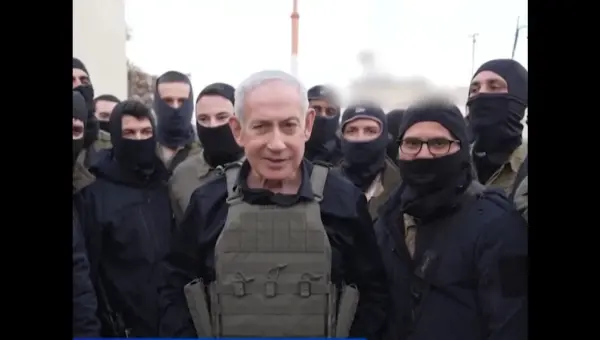
Israel Unleashes Barrage, Striking 150 Hezbollah Sites Daily
Israel has dramatically increased strikes against Hezbollah, hitting 150 targets in 24 hours. This escalation occurs just before crucial talks in Washington, where Lebanon seeks a ceasefire, but Israel remains firm. Hezbollah's tactics are increasingly mirroring those of Hamas, raising grave concerns.
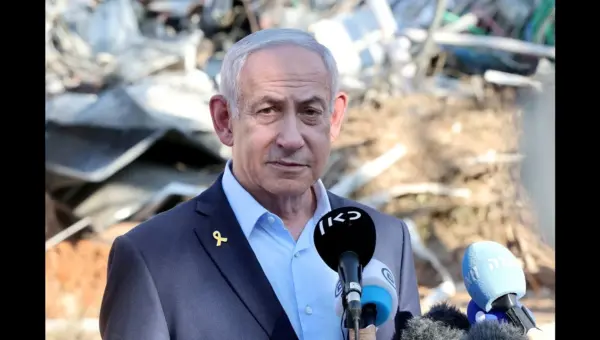
Netanyahu’s ‘Never Again’ Vow Echoes Past and Present Threats
Israeli Prime Minister Benjamin Netanyahu met with Holocaust survivors, vowing 'never again' as he drew parallels between past atrocities and current threats. He highlighted Israel's military strength and international alliances as crucial safeguards against annihilation.

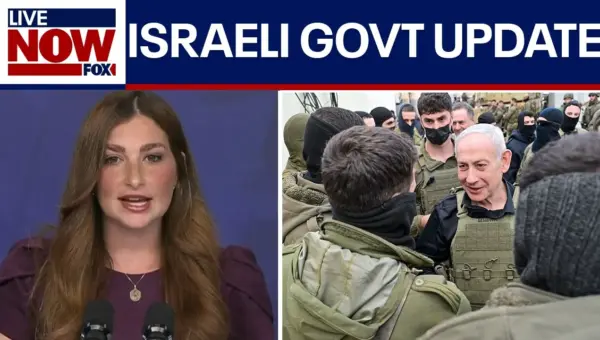
Israel Backs US Blockade, Talks Begin With Lebanon on Hezbollah
Israel officially backs a U.S. naval blockade on Iran and has begun U.S.-mediated talks with Lebanon aimed at disarming Hezbollah. Prime Minister Netanyahu drew parallels between the past persecution of Jews and Israel's current ability to defend itself. The government reiterated its focus on security and diplomatic efforts.