UK Faces Fuel Crisis: Shortages Loom by Late April
Britain faces a looming fuel crisis, with former BP executive Professor Nick Butler warning of significant shortages and price hikes by late April. Weeks of disruption in the Strait of Hormuz have depleted existing fuel supplies, prompting calls for the government to release an emergency plan and reconsider domestic energy production.

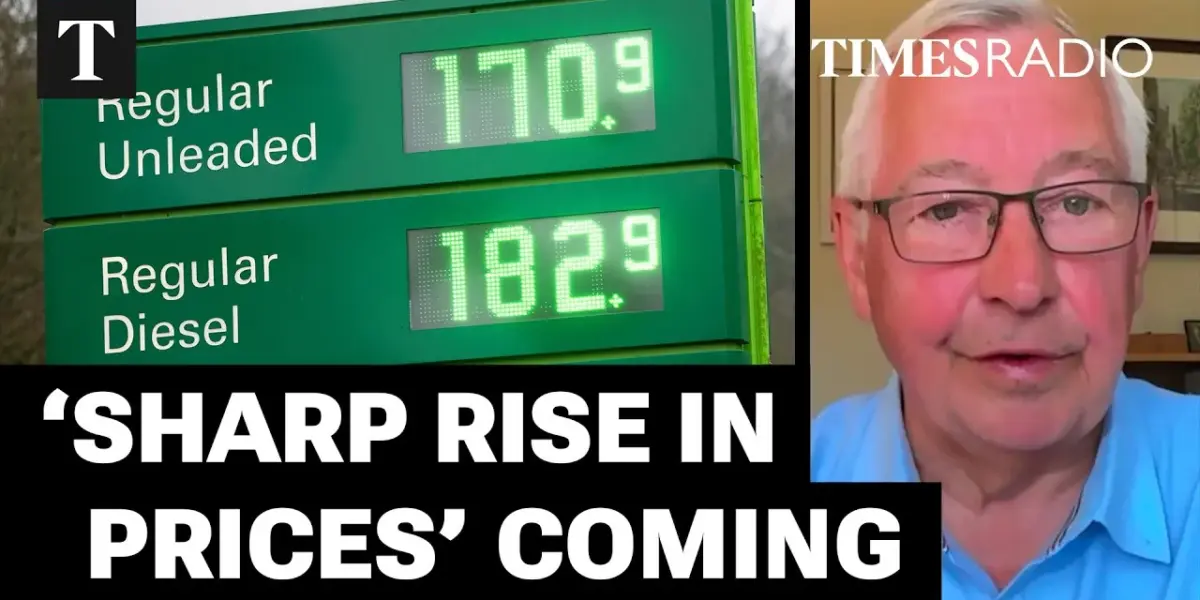
Britain Braces for Fuel Shortages as Shipping Routes Disrupt
The United Kingdom is on the brink of a significant fuel crisis, with experts warning that the full impact of disrupted shipping routes will hit by late April. Professor Nick Butler, a former vice president at BP and advisor to Gordon Brown, stated that a cumulative shortage of fuel is expected over the coming months, leading to a sharp rise in prices and potentially a physical lack of supply. This situation stems from weeks of disruptions, particularly around the Strait of Hormuz, a vital shipping lane.
Weeks of Disruption Lead to Empty Tankers
For six weeks, no fuel tankers have successfully traversed the Strait of Hormuz. These tankers take weeks to reach their destinations. Consequently, the supply of fuel that departed before the conflict began is now running out. Professor Butler emphasized that this will create a “real gap in supply.” He noted that the CEO of Shell had accurately predicted this crisis, stating that the real shortage for Britain and Europe would manifest at the end of April and into early May.
Price Hikes and Potential Rationing
The current price of diesel is already high in some areas, reaching over £2 per liter. However, Professor Butler warned that prices could climb significantly higher. Jet fuel prices have already doubled, and further increases are anticipated. He expressed concern about a “degree of complacency” in believing the situation would resolve itself. With an estimated 230 to 240 ships currently trapped in the Gulf and no new vessels entering the affected areas, a cumulative shortage is inevitable over the next few months. This raises the prospect of rationing, though the government has yet to release a national emergency fuel plan, a document that other countries have already published.
“The real crisis for Britain and for Europe will come at the end of April and in early May when the real shortage will translate into both a physical shortage and a sharp rise in prices.”
– Professor Nick Butler, former BP executive
Government Urged to Publish Emergency Plan
Professor Butler stressed the urgent need for the government to publish its national emergency fuel plan. This plan, he explained, should outline how key sectors will be protected and how limited supplies of crucial products will be managed. He cautioned that a “free-for-all” approach would be “very regressive and very socially damaging.” The former BP executive believes that clearly communicating a plan is the best way to avoid panic buying and reassure the public. He called for the plan to be released this week to get ahead of the escalating shortage.
Maximizing Domestic Production and Energy Strategy
Beyond managing immediate shortages, Professor Butler advocated for a renewed focus on maximizing domestic energy production. He pointed out that the UK is unique in systematically reducing its oil and gas production from the North Sea. He argued that opening up existing oil fields, for which permission has already been granted, would be a rational step. While this wouldn’t solve the immediate crisis, it would demonstrate a commitment to utilizing national resources. He believes this is crucial for long-term energy security, especially given the likelihood of future conflicts in the Middle East. A comprehensive energy strategy, he suggested, should be a central focus of government policy.
Impact on Summer Travel and Behavioral Nudges
The rising cost of jet fuel is expected to significantly impact summer holidays. Airlines are already canceling flights in some parts of the world. Professor Butler suggested that an “allocation policy” might include discouraging travel, leading to higher ticket prices for consumers. He proposed that the government could encourage behaviors like working from home, similar to measures seen in other countries facing energy crises. He believes that people respond to clear policies and encouragement, especially when they see others acting responsibly.
Renewable Energy Grid Challenges
The discussion also touched upon challenges within the renewable energy sector. Professor Butler confirmed that the electricity grid can indeed be overwhelmed, even with an abundance of solar power. Payments are already being made to wind farm operators to stop producing energy at certain times because the grid cannot handle the excess. He emphasized the need for a balanced energy transition that includes investing in infrastructure and managing demand. Until the grid can effectively connect and distribute renewable energy, he questioned the wisdom of rapidly expanding new wind and solar projects.
Looking Ahead: A Call for Action
The situation underscores the need for a clear, proactive, and holistic energy strategy from the UK government. As the country heads into late April and May, the public will be looking for decisive action to mitigate the impact of the unfolding fuel crisis. The coming weeks will be critical in determining how effectively the government manages supply, controls prices, and ensures the nation’s energy security.
Source: 'Full Impact' Of Fuel Crisis To Hit Britain In Late April | Former BP Executive (YouTube)

Related Articles

Ukraine Strikes Russian Oil Assets, Escalating Economic War
Ukraine intensifies strikes on Russian oil infrastructure, potentially leading to an "oil apocalypse" for Moscow. Meanwhile, ongoing hybrid threats and a hardening of Russia's stance complicate peace talks. Experts analyze the strategic implications of these developments and NATO's preparedness.
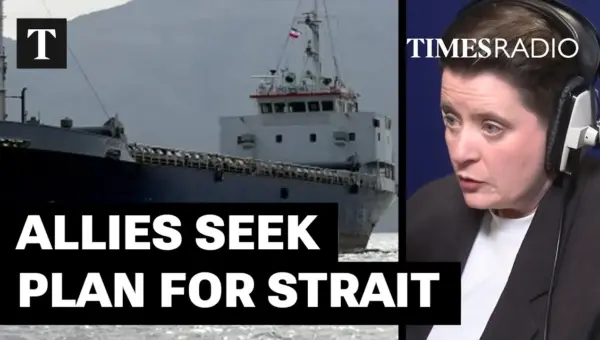
UK Rejects US Blockade Role in Strait of Hormuz
The UK government has confirmed it will not join a U.S.-led blockade of the Strait of Hormuz, emphasizing its commitment to freedom of navigation. While collaborating with allies on plans to keep the vital shipping lane open, the UK is also focused on addressing domestic economic pressures, including the rising cost of living and improvements to school food standards.

US Moves to Secure Strait of Hormuz Amid Iran Tensions
The United States is increasing its military presence to ensure safe passage through the Strait of Hormuz amid Iran's claims of control. This move is linked to ongoing nuclear negotiations and aims to protect vital global oil and gas routes.