US Oil Sanctions on Iran Spark Global Price Fears
New U.S. sanctions on Iran are drawing sharp criticism from China and sparking fears of higher global oil prices. While intended to pressure Iran, analysts suggest the measures could inadvertently disrupt supply and increase costs worldwide. The situation unfolds amidst ongoing ceasefire talks and broader geopolitical tensions.


US Oil Sanctions on Iran Spark Global Price Fears
The United States has imposed new sanctions on Iran, leading to strong criticism from China and raising concerns about global oil prices. China, a major buyer of Iranian oil, called the decision a “reversion to the law of the jungle.” This move comes as tensions rise over the Strait of Hormuz, a critical waterway for global oil transport.
China Condemns US Sanctions, Cites Hypocrisy
China has strongly denounced the U.S. decision to impose new sanctions on Iran. Beijing views these sanctions as a step backward, comparing them to the “law of the jungle.” Iran has also pointed out what it calls hypocrisy from the U.S., arguing that these sanctions will add economic hardship to a world already struggling with potential blockades of the Strait of Hormuz.
The Strait of Hormuz is a vital chokepoint for oil shipments. Iran has previously threatened to block the strait, and the U.S. aims to prevent this by increasing economic pressure. However, analysts warn that these new U.S. sanctions could backfire.
Sanctions Could Raise Global Oil Prices
Oil is a globally traded commodity. Even though the U.S. sanctions are aimed at Iran, they could limit the supply of Iranian oil on the world market. This reduction in supply could lead to higher global oil prices. Ironically, President Trump’s goal was to force Iran to unblock the Strait of Hormuz to free up global trade. But these sanctions might make oil more expensive and further disrupt global trade.
Ceasefire Talks Falter Amidst Lebanon Dispute
The U.S. sanctions announcement followed failed peace talks between the U.S. and Iran over a long-term ceasefire. While a two-week ceasefire is still in place, it is set to expire soon. Negotiations are expected to continue, but a major complication is the conflict in Lebanon.
Mediators had hoped to include Lebanon in the ceasefire, with Israel expected to halt its offensive against Hezbollah. However, Israel views the situation in Lebanon as a separate issue. Despite this, low-level negotiations between Lebanese and Israeli officials are taking place in Washington, D.C. This is a significant development, but the ongoing conflict in Lebanon, which is not fully controlled by the Lebanese government, poses a threat to the broader ceasefire between Israel and Iran.
Wall Street and Consumers React to Oil Market Volatility
The oil market has been volatile, with traders reacting quickly to news. The key question for investors is whether the impact on oil supply will be temporary or sustained. This uncertainty, combined with the importance of the Strait of Hormuz, is causing price fluctuations.
For consumers, the concern is rising gas prices. Despite some recent dips in oil prices, they remain significantly elevated compared to pre-war levels. This affects not only gasoline but also diesel, impacting shipping, air travel, and even food costs.
Stock Market Shows Resilience Amidst Geopolitical Tensions
Surprisingly, the stock market has shown resilience. Major indices like the S&P 500 have recovered from war-related losses and are even positive for the year. This stability can be attributed to several factors.
Firstly, investors were anticipating a worse-case scenario, such as direct attacks on Iran’s energy infrastructure. The current sanctions, while disruptive, are not seen as the worst possible outcome. Secondly, investors have a history of looking past geopolitical turmoil, focusing on future recovery, as seen during the COVID-19 pandemic and the conflict in Ukraine.
Finally, strong corporate earnings are providing a solid foundation for the stock market. As long as companies continue to report good profits, investors are likely to remain optimistic, despite ongoing global events. Earnings season has just begun, adding another layer of economic data for investors to consider.
Pope Criticizes War, Clashes with President Trump
Meanwhile, Pope Francis has spoken out against war, a stance that has led to an unusual public dispute with President Trump. The President has refused to apologize for a social media attack against the Pope, who has been a vocal critic of the war in Iran.
The Pope, currently on a tour of Africa, reiterated his call for peace and respect for human dignity, urging an end to misunderstandings and conflicts. He emphasized the urgency of addressing violations of international law and neocolonial tendencies.
Congressional Scandals Lead to Resignations
In other news, two lawmakers are stepping down following allegations of misconduct. Republican Representative Tony Gonzalez announced his retirement from Congress after admitting to an affair with a former aide who later died by suicide. He was under investigation by the House Ethics Committee.
Democratic Congressman Eric Swalwell also announced his resignation amid allegations of sexual assault and misconduct. These claims had previously forced him to end his bid for California governor. Swalwell denied many allegations but stated he must take responsibility for his mistakes and that it was time for him to go, to avoid distracting from his duties and the potential for expulsion from Congress.
Source: LIVE: NBC News NOW – April 14 (YouTube)

Related Articles

Trump Cleans House Amidst Growing Chaos
President Trump's recent cabinet shake-ups reveal a pattern of prioritizing loyalty over competence. With a depleted talent pool and a leader who shuns advice, the administration faces increasing chaos and uncertainty, impacting both domestic policy and global stability.


Iran-Made Drones Fuel Ukraine War, Stirring Kyiv Resident
A Kyiv resident with Iranian roots describes the emotional toll of seeing Iranian-made drones used by Russia in Ukraine. He shares his deep connection to Ukraine and the difficult personal conflict the war has created.
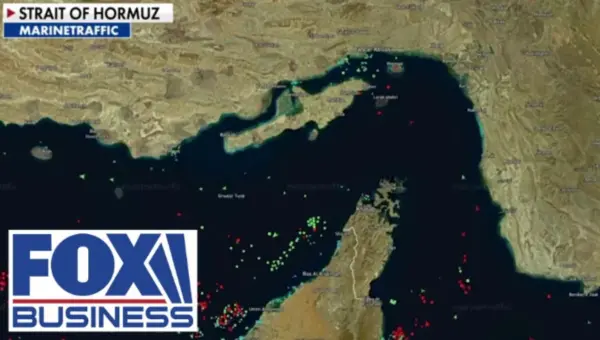
Iran Faces Economic Crisis Amid Sanctions Over Nuclear Ambitions
Iran faces a severe economic crisis as international sanctions target its nuclear program and regional proxies. The regime's financial decisions have led to internal unrest and a critical point regarding its nuclear ambitions.