Hungary’s New Leader May Unlock EU Funds for Ukraine
A recent election in Hungary has removed Viktor Orbán, who blocked a crucial 90 billion euro loan for Ukraine. The incoming leadership is expected to release these funds, which are vital for Ukraine's economy and state operations. This shift is seen as a significant positive development for Ukraine amidst its ongoing conflict.

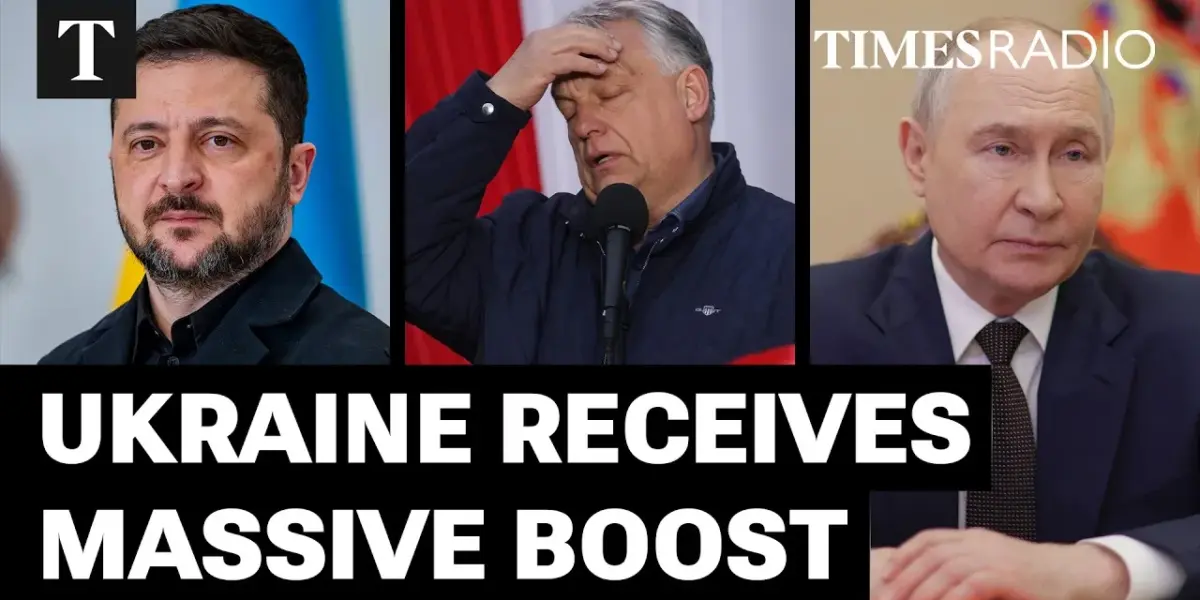
Orbán’s Election Loss Could Free Up Crucial Aid for Kyiv
The Kremlin has expressed hopes for more practical relations with Hungary’s new leadership following the recent election defeat of former Prime Minister Viktor Orbán. Russia’s spokesman indicated that Moscow would not congratulate the incoming leader, Peter Magyar, because Russia had previously designated Hungary as an unfriendly country. Orbán had notably blocked a 90 billion euro loan intended for Ukraine’s military aid. This development is being seen as a victory for Europe and for those opposing Hungary’s “illiberal democracy.”
Ukraine Sees Hope After Hungarian Election Shift
Kira Rudik, a Ukrainian Member of Parliament and opposition party leader, shared her perspective on the election results. She stated that the mood in Kyiv is positive, as Ukraine’s future and its ability to defend itself were closely tied to who would be in power in Hungary. Rudik explained that the European Union’s current structure allows leaders like Orbán, with support from Moscow, to block important initiatives for Ukraine and other countries. The most recent obstacle was the 90 billion euro loan, which Orbán blocked, despite it being crucial for Ukraine’s economy.
“Our future and the ability to continue defending ourselves relied on who will be in power. Unfortunately, the current structure of European Union allows leaders like Victor Orbán with the support from Moscow to block initiatives to support Ukraine…”
Kira Rudik, Ukrainian MP
What the Funds Mean for Ukraine
Rudik expressed optimism that the 90 billion euro loan would be released soon. The newly elected Prime Minister, Peter Magyar, has reportedly shown no interest in blocking the loan. While Orbán remains in power until June, potentially attempting last-minute obstructions, Rudik anticipates the funds could be available within months. If released, this money would be vital for Ukraine’s state operations. It would help pay pensions, teachers, community workers, and doctors. Rudik emphasized that Ukraine is currently spending all its domestic production on its military. This means that money earned within the country through taxes is crucial for funding the military, making international aid essential for the nation’s survival.
Russia’s Influence and EU Challenges
Orbán was a significant supporter of Russia and President Putin during the Ukraine war. His departure from power is seen as a positive step for Ukraine. However, Russia still holds influence in Hungary, particularly as a major energy supplier. Rudik believes Russia will seek other ways to influence Hungary, but the larger issue is how the EU will operate in the future. The current EU structure, she argued, allows “bad actors” like Orbán and potentially others to be influenced by external aggressors and then block critical decisions. This undermines the EU’s ability to act decisively.
Concerns Over US Support and Future Alliances
Rudik also touched on concerns about potential shifts in US policy towards Ukraine. She noted that Ukrainian President Volodymyr Zelenskyy has been more vocal about accusations of leaders supporting Putin. Rudik pointed out that Russia continues to earn significant cash from oil and gas sales, partly due to eased US sanctions. This money, she warned, will likely be used to buy more weapons rather than improve the lives of Russian citizens. She expressed worry that the US might further limit weapons sales to Europe, which could impact aid to Ukraine. The US has two key ways to exert pressure: withholding intelligence and stopping weapons purchased through European programs funded by US money. Ukraine hopes it won’t come to this, stressing that its fight is for its future and fair terms for its people and future generations.
Ukraine’s Path to EU and NATO Membership
Regarding Ukraine’s aspirations to join the European Union, Rudik sees the removal of Orbán as a positive development, though she anticipates a long and complex process. While Orbán’s opposition was a significant hurdle, she doesn’t expect Hungary or other countries to immediately favor Ukraine’s swift entry. Similarly, Hungary was a barrier to Ukraine joining NATO. Rudik believes that before Ukraine can join NATO, the alliance itself needs to determine its future relevance. Ukraine, she stated, has proven its capability in defense and could offer significant security contributions to alliances. However, she acknowledged that the situation within NATO and statements from figures like former President Trump suggest instability.
Looking Ahead
With the potential release of significant EU funding and a shift in Hungary’s political stance, Ukraine faces a more favorable environment for its economic stability and defense. However, challenges remain regarding the EU’s internal decision-making processes and the evolving dynamics of international support, particularly from the United States. Ukraine’s long-term goals of joining the EU and NATO will depend on continued international cooperation and the resolution of ongoing geopolitical tensions.
Source: Viktor Orbán's Loss In Hungary Unlocks €90bn For Ukraine | Kira Rudik (YouTube)

Related Articles
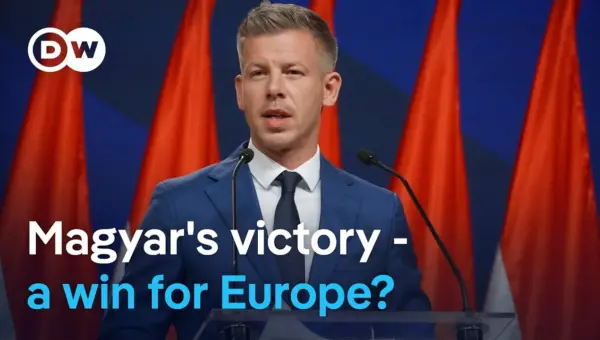
Hungary Rejects Orban, Embraces Pro-EU Path
Hungary has elected Peter Magyar as its new leader, signaling a significant shift away from Viktor Orban's nationalist policies and a renewed commitment to the European Union. Magyar's government prioritizes securing frozen EU funds and improving relations with the bloc, though challenges remain in addressing migration and past ties to Russia.

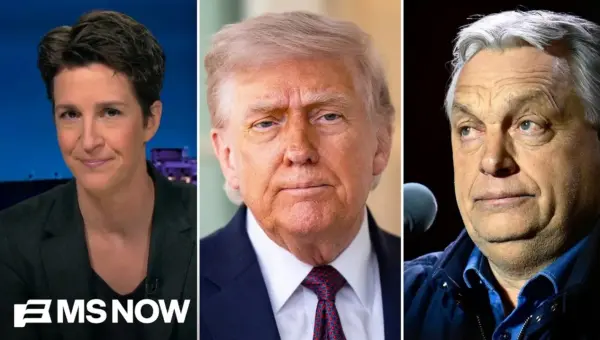
Hungary Ousts Orban: Authoritarian Model Crumbles Amid Corruption Claims
Hungary has ousted Prime Minister Viktor Orban after 16 years, signaling a blow to authoritarianism. The election follows revelations of corruption, including a streetlight scheme enriching his son-in-law, who has reportedly fled the country.
Ukraine Strikes Russian Oil Assets, Escalating Economic War
Ukraine intensifies strikes on Russian oil infrastructure, potentially leading to an "oil apocalypse" for Moscow. Meanwhile, ongoing hybrid threats and a hardening of Russia's stance complicate peace talks. Experts analyze the strategic implications of these developments and NATO's preparedness.