US, Allies Flex Naval Power in Contested Waters
The US and Australia joined the Philippines for joint naval exercises in the South China Sea, boosting regional defense and signaling a united front. These drills highlight growing cooperation and a shared commitment to security amid rising tensions.

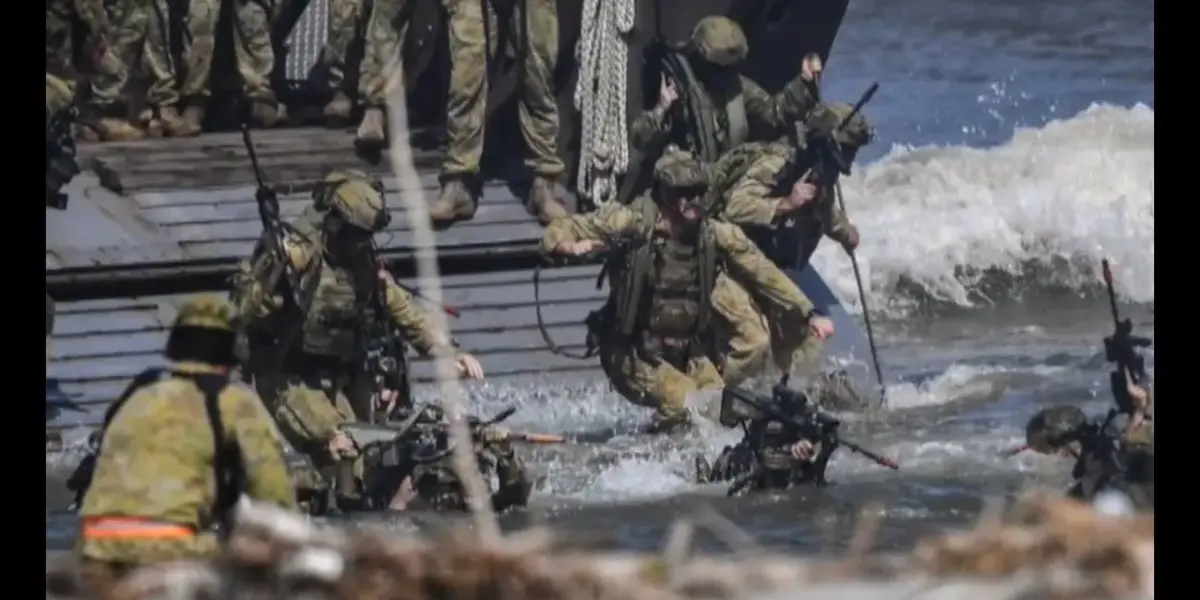
US, Allies Flex Naval Power in Contested Waters
The United States and Australia recently joined the Philippines for significant naval exercises in the South China Sea. These drills, held from April 9th to 12th, marked the second time these nations have conducted such joint operations this year. The event brought together advanced military assets, including warships, fighter jets, and surveillance aircraft, all working together in coordinated actions.
The main goal of these 4-day exercises was to improve the maritime defense skills of all participating countries. The Philippine military stated that these operations showed a growing partnership in defense and a common dedication to keeping the region safe and stable. This kind of cooperation is becoming more important as tensions rise in the area.
Key Participants and Assets
The Philippines contributed its FA50 fighter jets to the drills. Australia sent its P8A Poseidon aircraft, known for maritime patrol and reconnaissance. The United States brought the USS Ashland, a naval ship designed for amphibious operations and supporting ground forces. The combination of these assets allowed for a wide range of training scenarios.
Broader Context of Regional Security
These exercises are not happening in a vacuum. They come just before larger annual war games are set to begin on April 20th. A notable addition to these upcoming games is Japan, which will participate for the first time. This expansion of joint military activities suggests a growing alliance focused on maintaining freedom of navigation and deterring potential aggression in the Indo-Pacific region.
Why This Matters
The joint naval drills in the South China Sea are a clear signal of increased military cooperation among the US, Australia, and the Philippines. This collaboration is largely seen as a response to China’s growing assertiveness in the region, particularly its extensive territorial claims and military buildup in disputed waters. By conducting these exercises, the participating nations are demonstrating their commitment to international law and the principle of freedom of the seas.
Historical Background
The South China Sea has been a focal point of geopolitical tension for decades. Various nations, including China, Vietnam, the Philippines, Malaysia, Brunei, and Taiwan, have overlapping claims to islands and maritime territory. The US has historically advocated for freedom of navigation and overflight in international waters, often conducting freedom of navigation operations (FONOPs) to challenge what it views as excessive maritime claims. Australia and the Philippines, as close US allies and regional neighbors, share these concerns about regional stability and access to vital shipping lanes.
Implications and Future Outlook
The implications of these joint exercises are significant. Firstly, they enhance the interoperability of the participating forces, meaning their military units can work together more effectively in a real-world scenario. This improved coordination is crucial for any potential joint response to regional security challenges. Secondly, these drills send a strong diplomatic message to Beijing, indicating that a coalition of nations is prepared to counter actions that undermine regional security and international norms.
Looking ahead, we can expect to see more such joint military activities in the South China Sea and the broader Indo-Pacific. The inclusion of Japan in the upcoming larger war games further solidifies this trend of increasing multilateral security cooperation. As China continues to expand its military presence and influence, nations like the US, Australia, and the Philippines are likely to deepen their defense ties. This strategic alignment aims to maintain a balance of power and ensure that international waters remain open and accessible to all.
The focus on maritime defense capabilities is a direct reflection of the strategic importance of the sea lanes in the South China Sea. These waterways are critical for global trade, and any disruption could have far-reaching economic consequences. Therefore, maintaining security and stability in this region is not just a matter of national interest for the involved countries but also a global concern. The continued joint exercises are a proactive measure to address these complex challenges.
Source: US, Australia, Philippines Hold Joint Naval Drills in South China Sea (YouTube)

Related Articles

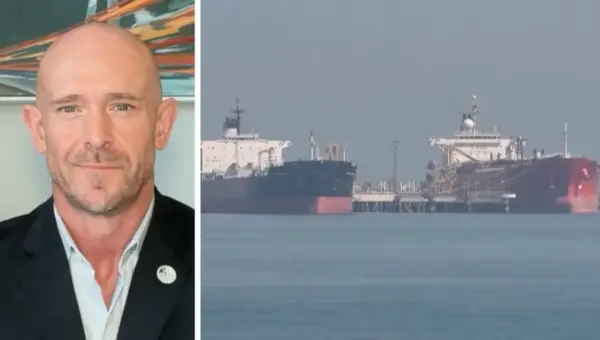
Iran’s Blockade: Trump’s Bold Move to Force Negotiations
The U.S. is using a blockade in the Strait of Hormuz to pressure Iran after failed talks. This strategy aims to cut off oil revenue and force negotiations. However, Iran's tough rhetoric and the difficulty of changing ideology pose significant challenges.
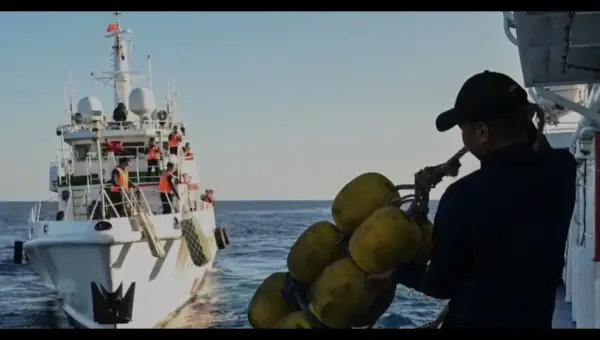
China Poisoned Sea Waters, Philippines Claims
The Philippines claims China dumped cyanide near a military outpost in the South China Sea, potentially harming troops and marine life. Lab tests confirmed the toxic chemical in bottles recovered from Chinese vessels. This accusation escalates tensions in the disputed waters.


Indonesia Opens Door to US Military Flights Over Its Skies
Indonesia is considering a significant defense agreement that would allow U.S. military aircraft overflight access in its airspace. While the U.S. seeks broad permissions for emergency response and joint exercises, Indonesia is still in the preliminary discussion phase. This move could reshape regional security dynamics.