Trump’s Tariffs Spark Economic Chaos, Spirit Airlines Faces Bailout
Former President Donald Trump's past tariff policies are creating new economic challenges, leading to higher costs for consumers and businesses. Meanwhile, Spirit Airlines is reportedly seeking a government bailout amid financial struggles. These situations highlight complex economic decision-making and its wide-ranging effects.

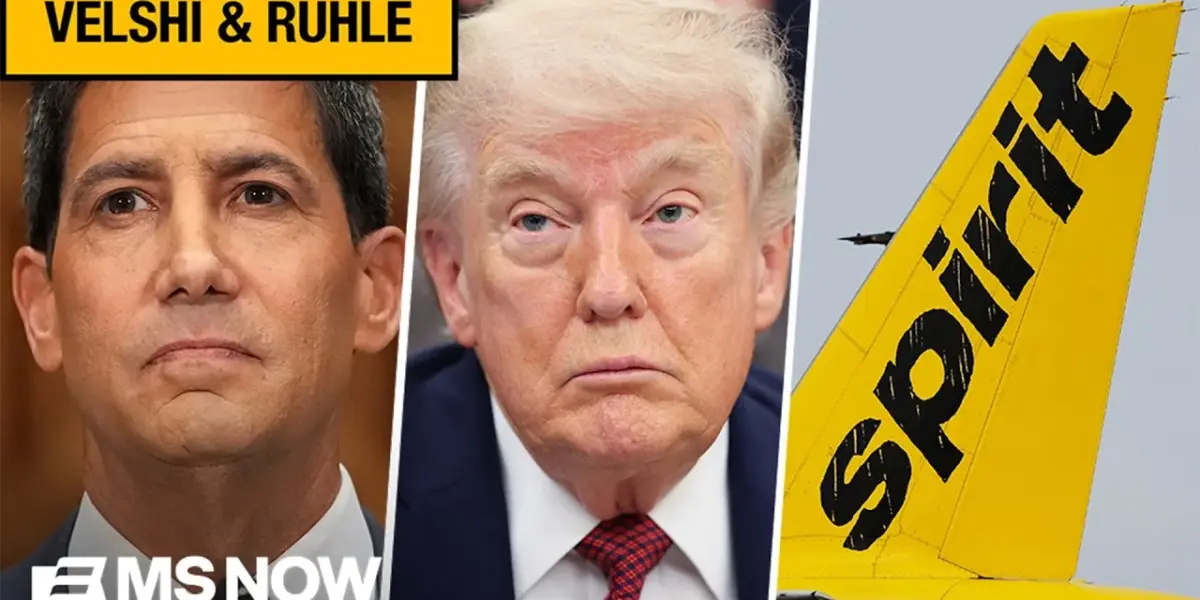
Trump’s Tariffs Create Economic Headaches
Former President Donald Trump’s past use of tariffs is causing new problems for the economy. His trade policies, often aimed at protecting American industries, are now being blamed for rising costs and economic uncertainty. These tariffs, taxes on imported goods, were a key part of his “America First” agenda.
The impact of these tariffs is far-reaching, affecting both businesses and consumers. Industries that rely on imported materials face higher expenses.
This often leads to increased prices for everyday products, making it harder for families to afford necessities. Critics argue these policies hurt more than they help, damaging international trade relationships.
Spirit Airlines Seeks Financial Lifeline
Meanwhile, Spirit Airlines is reportedly seeking a government bailout. The budget airline has struggled with financial difficulties, especially after a proposed merger with JetBlue fell through. This situation highlights the challenges facing the airline industry in the current economic climate.
A bailout would involve government funds to help the company stay afloat. This is a complex decision, as it means taxpayers could end up supporting a private company. The government must weigh the potential job losses and economic disruption against the cost of intervention.
The Art of the Deal: A Closer Look
The situations involving Trump’s tariffs and the potential Spirit Airlines bailout bring to mind Trump’s reputation as a dealmaker. His approach to business and politics often involved bold, sometimes controversial, decisions. The effectiveness of these deals is frequently debated.
Tariffs, for instance, were intended to level the playing field for American workers. However, they can also lead to retaliatory tariffs from other countries.
This trade war scenario can harm American exporters and raise prices for consumers. It’s like a heated negotiation where both sides might end up losing something valuable.
Similarly, the idea of a government bailout for an airline involves a different kind of deal. It requires negotiation between the company, the government, and potentially other stakeholders. The goal is to find a solution that supports the company without unduly burdening taxpayers.
Economic Ripple Effects
The consequences of these economic events extend beyond the immediate companies involved. Tariffs can disrupt global supply chains, affecting manufacturing and production worldwide. When one country imposes taxes on goods, others may respond with their own taxes, creating a cycle of trade disputes.
The financial health of major airlines is also crucial for the broader economy. Airlines employ many people and are vital for business travel and tourism.
If an airline like Spirit were to fail, it could lead to job losses and affect related industries, such as hospitality and logistics. This is why the government sometimes considers interventions.
Looking Ahead
As these situations develop, the focus will be on the decisions made by policymakers and business leaders. The long-term impact of past tariff policies remains a subject of economic discussion. The outcome of Spirit Airlines’ financial struggles will also provide insight into the resilience of the airline sector.
The coming weeks will likely bring more news on potential government actions regarding Spirit Airlines. Ongoing economic analysis will continue to assess the lasting effects of trade policies implemented during the Trump administration. These events serve as ongoing case studies in economic strategy and crisis management.
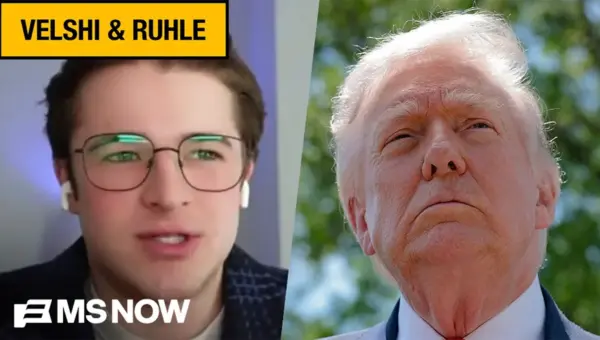
Source: Trump's tariff mess, bailing out Spirit Airlines: The art of the deal (YouTube)

Related Articles
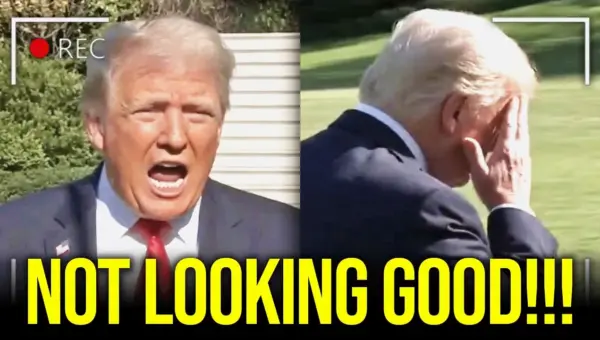
Trump’s Health Mystery: Why Is His Physical Vanishing?
Donald Trump's annual physical exam has been conspicuously absent this year, sparking concerns about his health and cognitive fitness. Observers point to a noticeable decline in his public speaking and behavior, contrasting sharply with his past claims of peak mental acuity.

Gerrymandering Backfires on GOP Amidst War Woes
Democrats have gained a significant advantage in Virginia following a vote to redraw congressional maps, potentially delivering more seats in the midterms. Meanwhile, President Trump faces sinking approval ratings amid the ongoing Iran war and economic concerns. The White House strategy is shifting as redistricting battles and international conflicts continue to shape the political landscape.

Trump Approval Hits ‘Floor,’ Analyst Says Amid MAGA Anxiety
Political analyst Harry Sisson suggests Donald Trump's core support has hit a stable 'floor,' but observes growing anxiety within the MAGA movement. A recent Democratic win in Virginia is seen as a sign of energized opposition. Sisson's insights highlight a complex dynamic of loyal support mixed with internal questions about future strategies.