Trump’s Global Chaos: Blockades, Feuds, and a World Turning Away
Trump's recent actions, including a naval blockade of the Strait of Hormuz and a public feud with Pope Leo XIV, are causing global unrest. Canada's Prime Minister has sharply rebuked U.S. policy, signaling a potential shift in international alliances.

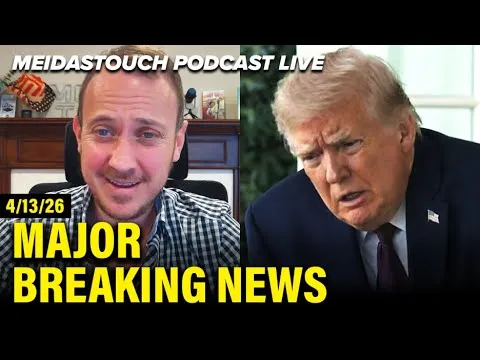
Trump’s Policies Spark Global Uproar
Recent events, as discussed on the MeidasTouch Podcast, paint a picture of escalating international tension and fractured alliances. Former President Trump’s actions have led to a naval blockade of the Strait of Hormuz. This move comes after peace talks in Islamabad fell apart. Trump aims to control the strait by further walling it off, a strategy that has raised serious global concerns.
The podcast also detailed Trump’s very public and unusual dispute with Pope Leo XIV. Trump attacked the Pope, calling him ‘weak on crime.’ He even posted an image of himself depicted as Jesus Christ. These actions have drawn sharp criticism for their tone and content.
Canada Rejects U.S. Policy
Adding to the international fallout, Canadian Prime Minister Mark Carney issued a strong rebuke of U.S. policy. Carney announced an end to Canada’s past practice of favoring the U.S. with heavy military spending. Instead, Canada will focus on building stronger, independent trade ties. This decision signals a significant shift in North American relations and reflects growing unease with American leadership under Trump.
Why This Matters
These developments are more than just headlines; they represent a potential unraveling of international stability. A naval blockade, especially in a critical global trade route like the Strait of Hormuz, can have severe economic consequences worldwide. It can disrupt oil supplies and increase shipping costs for everyone.
The feud with the Pope is also significant. The Pope holds immense moral authority for millions globally. Attacking him, especially with such aggressive language and imagery, alienates religious communities and undermines diplomatic norms. It suggests a leader who prioritizes personal grievances over respectful international dialogue.
Canada’s move is particularly telling. It shows that even close allies are reassessing their relationship with the U.S. when they perceive American policy as detrimental or unreliable. This could lead to a domino effect, encouraging other nations to seek more independent foreign and economic policies, weakening U.S. influence.
Historical Context
Throughout history, control over vital waterways has been a source of conflict and international diplomacy. The Strait of Hormuz, connecting the Persian Gulf to the open ocean, has always been a strategic choke point. Nations have historically worked to ensure its free passage for global trade. Any disruption here echoes past conflicts over maritime control.
The relationship between political leaders and religious figures has also played a crucial role in global events. Historically, leaders have sought the Pope’s blessing or faced his condemnation. Trump’s direct and public attacks on the current Pope represent a departure from traditional diplomatic engagement, which usually involves more private channels for disagreements.
Furthermore, the concept of alliances shifting is not new. Post-war periods often see nations recalibrating their defense and trade strategies. However, a shift driven by a perceived failure of U.S. leadership, as suggested by Canada’s actions, points to a different kind of international realignment.
Trends and Future Outlook
The current situation suggests a trend toward increased nationalism and a questioning of established international order. If Trump’s policies continue to isolate the U.S., we could see a more fragmented world. Nations might form new regional blocs or prioritize bilateral deals over multilateral agreements.
The economic impact of such a blockade could also accelerate a move away from reliance on traditional energy sources. Countries might invest more heavily in renewable energy to reduce their vulnerability to geopolitical disruptions in oil-producing regions.
The public’s reaction to leadership, especially concerning perceived weakness or aggression, is also a growing factor. Trump’s use of social media to attack opponents, including religious leaders, reflects a new style of political communication. This direct, often inflammatory, approach bypasses traditional media and speaks directly to his base, but it also risks alienating broader segments of the population and international partners.
The future outlook is uncertain, but the events discussed point to a period of significant global readjustment. The U.S.’s role as a stable international partner appears to be under scrutiny. Allies are becoming more assertive in protecting their own interests, and geopolitical flashpoints like the Strait of Hormuz remain critical areas of concern for global peace and prosperity.
The MeidasTouch podcast episode also mentioned several sponsors: Fair Harbor for clothing, Done with Debt for financial advice, Smalls for pet food, Miracle Made for bedding, and IQBar for healthy snacks. They also listed other podcasts from the MeidasTouch Network.
Source: LIVE: MeidasTouch RESPONDS to MAJOR BREAKING NEWS – 4/13/26 (YouTube)

Related Articles
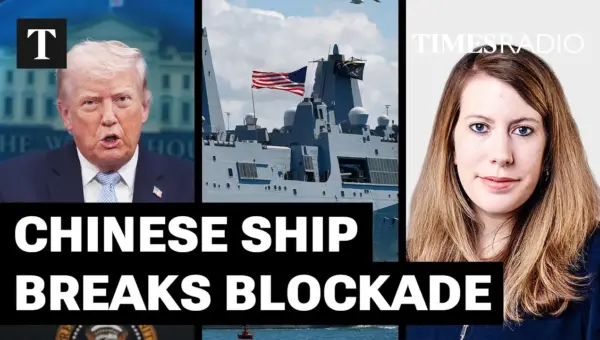
US Navy Faces Test as Ships Breach Trump’s Strait of Hormuz Blockade
Two vessels have reportedly bypassed the Strait of Hormuz blockade, challenging the US strategy and prompting President Trump's warning of elimination for approaching ships. The incident occurs amid broader geopolitical tensions and a growing debate on faith in politics.

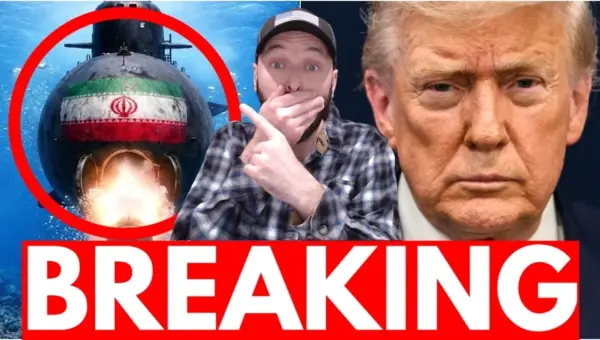
Iran’s Secret Subs Threaten Strait of Hormuz
Iran has reportedly deployed its secret Ghadir-class submarines into the Strait of Hormuz, raising fears of attacks on shipping. The U.S. has vowed to sink these vessels if they pose a threat. This move escalates regional tensions amid stalled nuclear talks and ongoing conflicts.
Global Alliances Shift: World Leaders Bypass Trump
World leaders are forging new international alliances, notably excluding Donald Trump from key emerging security blocs. This shift sees China positioning itself as a superpower, while Ukraine offers advanced military technology and Europe takes a more active role in regional stability. These developments signal a potential restructuring of global power dynamics.