Global Conflict Fuels Food Price Hikes for Americans
Global conflict with Iran is driving up fertilizer and fuel costs for farmers, leading to significant price increases for common grocery items like tomatoes. This ripple effect is impacting American consumers' budgets and highlighting the fragility of global food supply chains.

Global Conflict Fuels Food Price Hikes for Americans
Americans are facing higher grocery bills, especially for fresh fruits and vegetables. This is largely due to rising costs for farmers, which are directly linked to the ongoing conflict with Iran. The ripple effect of this war is reaching dinner tables across the country, impacting everything from summer salads to backyard burgers.
Tomato Prices Soar
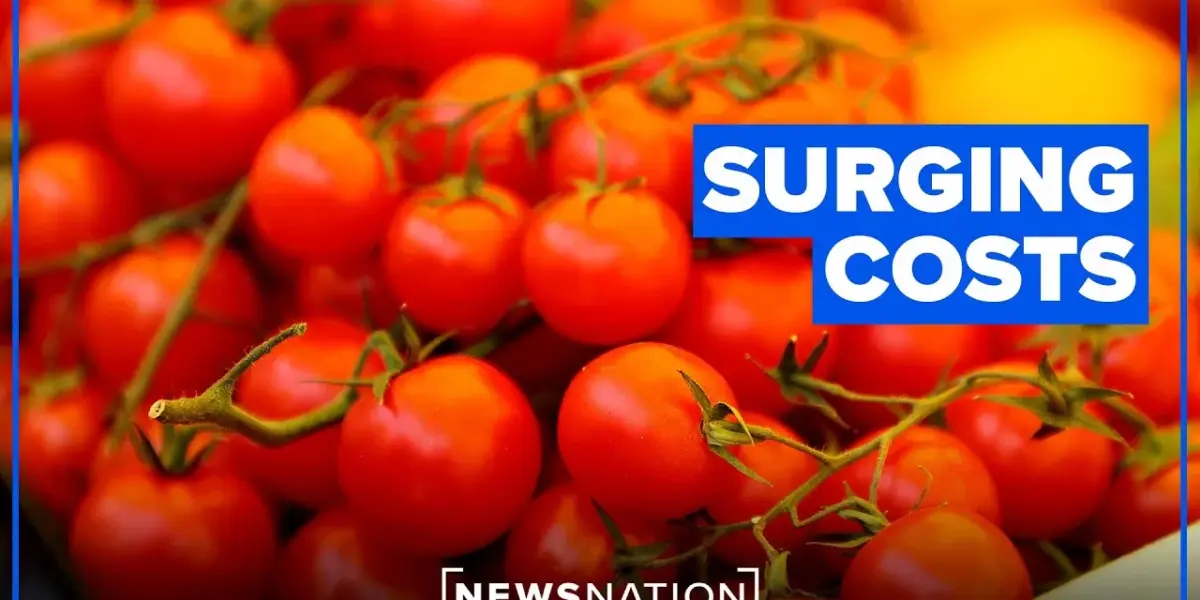
Tomatoes, a common spring and summer staple, have seen a significant price jump. In March alone, tomato prices increased by more than 15%. Compared to the same time last year, prices are up over 22%. This increase is causing sticker shock for shoppers in the South and Midwest.
Farmers Bear the Brunt
Farmers are struggling with soaring costs for essential supplies. Diesel fuel and fertilizer prices have skyrocketed. These are not just small increases; farmers say these costs are “eating them alive.” Everything needed to grow and transport food has become more expensive.
The Transportation Cost Chain
The cost of feeding livestock and transporting goods also plays a big role. Everything from farms to factories to local stores needs to be moved. When the cost of transportation goes up, the price of almost everything else follows. This directly impacts farmers’ income, making it harder for them to make a profit.
Beyond Tomatoes: A Wider Impact
The problems aren’t limited to tomatoes. Farmers growing crops like corn and soybeans are also feeling the pinch. They are paying more for chemicals and seeds. In regions like South Texas, a drought situation adds another layer of difficulty. Water is scarce and more expensive, which also increases reliance on diesel-powered equipment.
A Ripple Effect of Rising Costs
The situation creates a clear ripple effect. Higher fuel costs mean higher prices for fertilizer and seeds. Droughts mean more expensive water and increased use of fuel for irrigation. All these factors combine to drive up the cost of food production. Experts warn that these market issues could continue to worsen, leading to even higher prices for consumers.
Global Conflict and Local Impact
The war with Iran is a major driver of these rising costs. Conflicts in key regions can disrupt global supply chains. This includes the supply of oil, which affects fuel prices worldwide. It also impacts the availability and cost of raw materials used in fertilizers. When these global supplies are threatened, the consequences are felt by farmers and consumers far away.
Historical Context
This situation is not entirely new. Historically, global conflicts and instability have often led to disruptions in food supplies and price increases. Events like the oil crises of the 1970s showed how energy prices can quickly affect the cost of goods. Today, the interconnectedness of the global economy means that conflicts in one region can have widespread and immediate effects on food security and affordability elsewhere.
Economic Leverage and Dependencies
The reliance on global energy markets means that countries are vulnerable to price shocks. When fuel prices rise, the cost of transporting food, a major part of the global economy, increases significantly. Fertilizer production also often relies on energy-intensive processes, making it susceptible to energy market fluctuations. This creates a situation where international events can directly impact household budgets.
Shifting Power Balances
While the focus is on rising food prices, these events also highlight shifting global dynamics. The disruption of supply chains and increased costs can put economic pressure on nations. Countries that are major food exporters may see increased demand, while importing nations face greater challenges. This can influence trade relationships and create new economic dependencies.
Future Scenarios
Several scenarios could play out. If the conflict with Iran is resolved quickly and global energy markets stabilize, food prices might eventually decrease. However, if the conflict continues or escalates, the price increases could become more severe and last longer. Another possibility is that farmers might adapt by planting less or switching to less costly crops, which could also affect food availability and variety. The long-term impact will depend on global political stability and the resilience of agricultural supply chains.
Global Impact: Why This Reshapes the World Order
The rising cost of food due to global conflict is more than just an economic inconvenience. It highlights the fragility of our interconnected world. It shows how distant wars can directly impact everyday life, even in countries far from the conflict zone. This can lead to increased public pressure on governments to address foreign policy and its economic consequences. It also underscores the importance of secure and stable global supply chains for essential goods like food. Nations may reconsider their trade partnerships and focus on building more resilient domestic food production systems. The current situation is a clear reminder that geopolitical events have tangible, and often costly, effects on ordinary people worldwide.
Source: Price of war: As farmers face surging costs, Americans are paying the price | Morning in America (YouTube)

Related Articles


Trump’s War Policy Fuels Global Economic Fears
The International Monetary Fund has lowered its global growth forecast, citing the Iran conflict as a key factor. Rising inflation in the US and international calls for de-escalation highlight growing economic concerns. The situation raises questions about leadership and its impact on global stability.


Iran’s Secret Subs Threaten Strait of Hormuz
Iran has reportedly deployed its secret Ghadir-class submarines into the Strait of Hormuz, raising fears of attacks on shipping. The U.S. has vowed to sink these vessels if they pose a threat. This move escalates regional tensions amid stalled nuclear talks and ongoing conflicts.
Markets Defy War Fears as Oil Prices Fluctuate
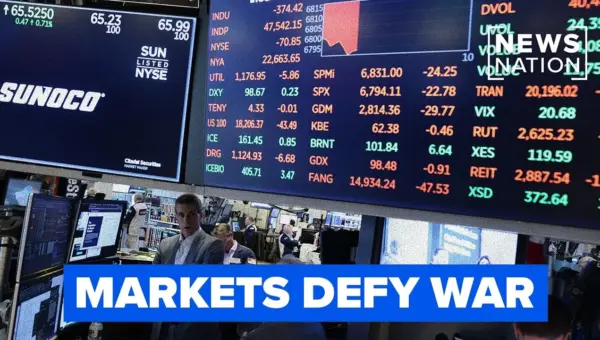
Wall Street rallied and erased Iran war losses as oil prices fluctuated near $100 a barrel. Despite market gains, Americans face higher gas prices, with a U.S. blockade of the Strait of Hormuz potentially worsening inflation. The Producer Price Index report is closely watched for future inflation signals.