California Oil Prices Soar Past $8 Amid Global Turmoil
California is facing an energy crisis with diesel prices topping $8 per gallon. A mix of global conflict, state regulations, and reduced local oil production has created a severe supply crunch. This impacts not only drivers but also the state's crucial trucking and airline industries.

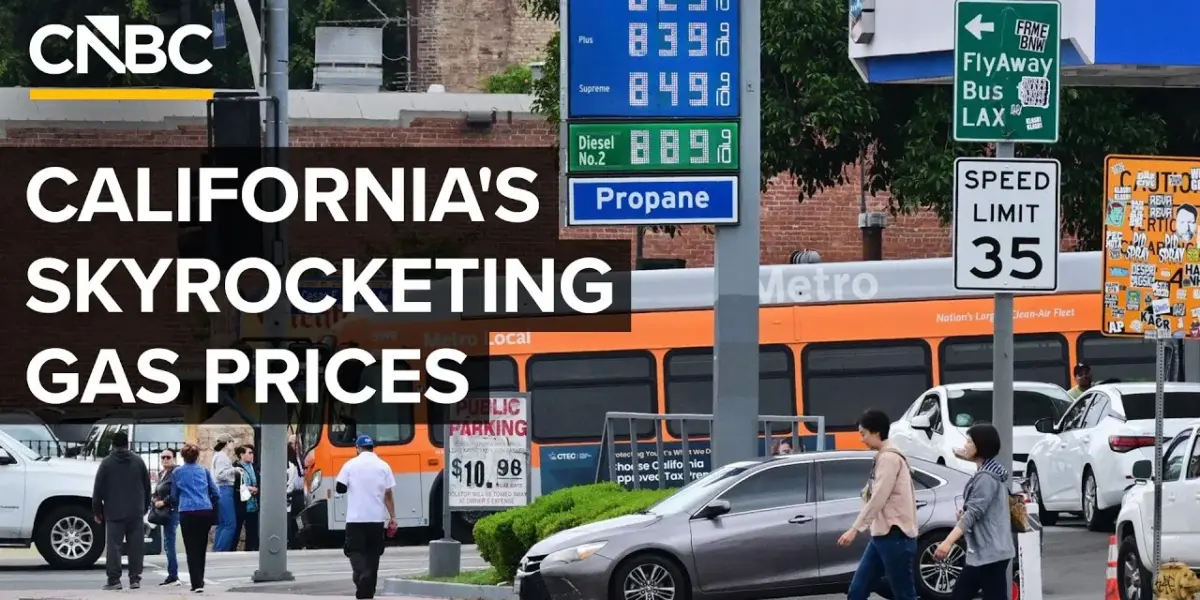
California Grapples with Soaring Oil Prices Amid Global Supply Woes
Global energy markets are experiencing significant disruptions, pushing crude oil and natural gas prices higher. While consumers nationwide feel the pinch at the pump, California stands out as a state facing particularly severe challenges. In some areas, the price for an average gallon of diesel has reached an unprecedented $8, a stark indicator of the state’s current energy crisis.
Experts point to the ongoing conflict in the Middle East as a major factor exacerbating existing weaknesses in California’s energy market. This global instability is shining a spotlight on the state’s unique vulnerabilities, leading to some of the highest fuel costs in the nation.
Why California’s Gas Prices Are So High
California drivers are accustomed to higher gasoline prices, but current levels, often exceeding $6 per gallon, are particularly painful. Several factors contribute to this perennial price premium. For starters, California imposes the nation’s highest gasoline taxes. Additionally, the state’s cap-and-trade program adds costs for refineries that produce refined products, as they are charged for emitting air pollution during the manufacturing process. A low-carbon fuel standard also contributes, mandating a special blend of gasoline that differs from the one used in most other states under EPA jurisdiction.
Shifting Oil Sources and Reduced Production
Adding to these existing pressures, California has implemented a moratorium on new oil drilling. This policy has caused the state’s own oil production to plummet. Consequently, California now relies heavily on a limited number of foreign oil sources. Approximately 75% of the state’s crude oil is imported, with more than a quarter of these shipments originating from Middle Eastern countries like Saudi Arabia, Iraq, and the UAE.
Unlike many other regions, California does not have pipelines connecting it to oil supplies from elsewhere in the United States. This means the state is dependent on oil transported by ships. Compounding this issue, the number of refineries capable of processing this imported crude has dwindled. Several refinery shutdowns in recent years have reduced the capacity to produce the specific, state-approved gasoline blend.
Refinery Closures Worsen Supply Crunch
Over the past six months, the situation has worsened with the permanent closure of two major refineries. These facilities historically accounted for about 20% of the state’s total gasoline production. Their absence has created a significant gap in supply, further straining the market.
Impact on Diesel and Jet Fuel
The problems extend beyond gasoline. Diesel prices in California have surged past $7.50 per gallon. For the trucking industry, which is vital for transporting goods, this means significantly higher operating costs. A typical truck that gets seven miles per gallon would essentially be spending an extra dollar for every mile traveled when hauling goods across the state. This directly impacts supply chains and the cost of goods.
The tightening jet fuel market also poses a significant threat to California’s economy. Major airports like Los Angeles International (LAX) and San Francisco International (SFO) could face shortages. A lack of sufficient jet fuel could ground flights, disrupting travel and business operations, which are essential for the state’s economic health.
Market Impact and Investor Considerations
The ongoing disruptions in the Strait of Hormuz, a key global oil chokepoint, are amplifying the energy crunch felt worldwide. For California, the combination of global supply issues, state-specific regulations, and reduced domestic production has created a perfect storm. Investors and businesses operating in or with ties to California should monitor these developments closely. The high cost of fuel impacts transportation, logistics, and consumer spending, potentially leading to broader economic slowdowns within the state. The reliance on foreign oil sources, particularly from volatile regions, highlights the inherent risks in the current supply chain. As global tensions persist, the pressure on California’s already strained energy market is likely to continue.
Source: How The Iran War Is Hurting California’s Struggling Oil Market (YouTube)

Related Articles


Strait Closure Triggers Global Energy Crisis, Recession Looms
The closure of the Strait of Hormuz has triggered the worst energy crisis in history, leading to a severe oil shortage. Experts warn that existing oil reserves are dwindling, and prices could skyrocket. This crisis is expected to cause significant global economic pain, potentially leading to a deep recession through 'demand destruction.'
Iran Talks Collapse: Oil Spikes, Markets Flinch
Failed peace talks between the U.S. and Iran sent shockwaves through global markets, causing stocks to open lower and oil prices to surge past $100 a barrel. The U.S. Navy's planned blockade of Iranian ports heightened fears of renewed conflict and sustained high energy costs.


Trump Blocks Strait of Hormuz Amidst Vatican Feud
The U.S. has imposed a partial blockade on the Strait of Hormuz following failed peace talks with Iran. Simultaneously, President Trump is publicly feuding with Pope Leo XIV, criticizing the pontiff's stance on the Iran conflict and sparking debate within religious and political circles.