US Clicks Strait of Hormuz, Iran Faces Economic Siege
The United States has implemented a blockade targeting Iranian ports in the Strait of Hormuz, aiming to cripple Iran's economy and force nuclear negotiations. This bold move follows failed talks and seeks to cut off Iran's vital oil revenues, though it risks global economic impact and regional instability.

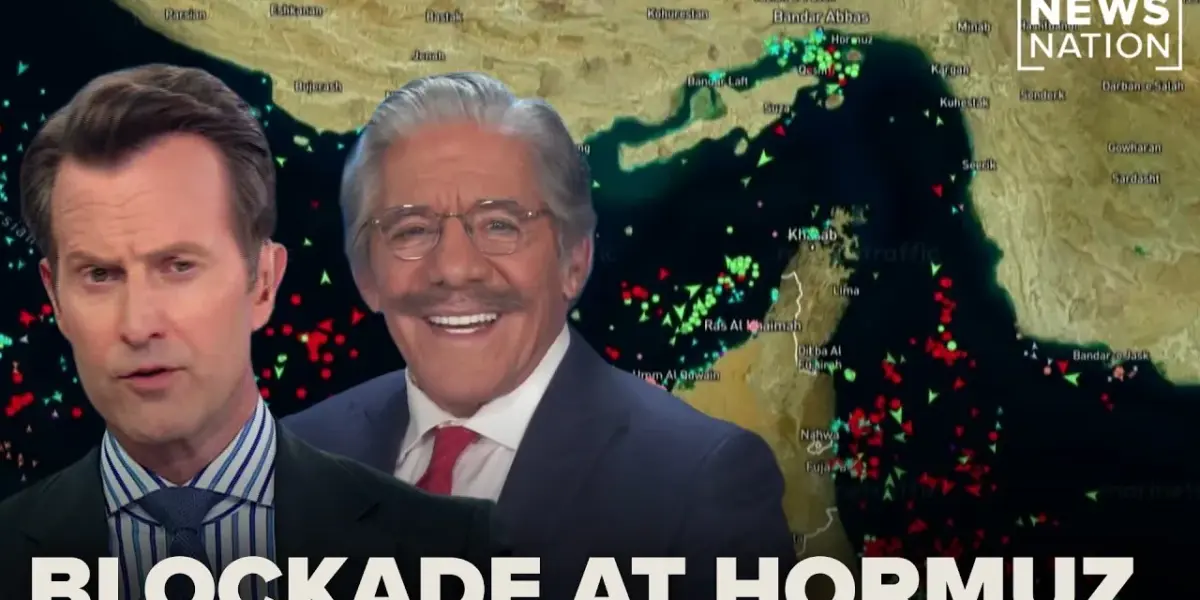
US Clicks Strait of Hormuz, Iran Faces Economic Siege
The United States has taken a bold step, effectively blockading Iran’s ability to use its ports. This move aims to cripple Iran’s economy, which heavily relies on trade through the Strait of Hormuz. The strategy is to pressure Iran into returning to nuclear negotiations. This action follows failed talks in Islamabad over the weekend, where Vice President did not secure a deal with Iranian officials. The blockade targets any vessel using Iranian ports, while allowing passage for those using non-Iranian ports. The goal is to cut off all revenue for Iran, making the Strait of Hormuz a lifeline that can now be controlled.
Iran’s Economy on the Line
Iran’s economy is deeply connected to the flow of goods through the Strait of Hormuz. This narrow waterway is vital for importing and exporting essential items. By blocking Iranian ports, the U.S. hopes to create an economic crisis within Iran. This could force Iranian leaders to reconsider their stance on nuclear development and return to the negotiating table. The U.S. Navy has pledged protection for tankers using the strait, even if they are not using Iranian ports. This protection aims to ensure that global oil trade continues, while isolating Iran economically.
A Creative, Risky Strategy
This blockade is seen by some as a creative and daring move by President Trump. It flips the script, turning Iran, a country that has previously imposed blockades, into a country facing one. The success of this strategy hinges on Iran’s reaction. Will Iran attack vessels attempting to use the strait? Or will they simply have to endure the economic pressure? The U.S. believes that by protecting tankers, they can ensure passage and isolate Iran completely from its revenue streams. For Iran, oil revenue is not just important; it’s a matter of survival, distinguishing between prosperity and hardship.
Nuclear Ambitions Remain a Key Concern
A major sticking point in previous talks has been Iran’s nuclear program. The U.S. and its allies are determined to prevent Iran from developing nuclear weapons. Israel, in particular, has been actively working to thwart Iran’s nuclear ambitions, reportedly through covert actions. For Iran to ease anxieties and reassure the international community, allowing access to its nuclear sites is seen as a crucial step. This includes granting access to facilities and allowing inspections of nuclear materials and enriched uranium. President Trump has made it clear: Iran will not be allowed to possess nuclear weapons.
Shifting Momentum in the Region
In recent days, the power dynamic appears to have shifted. The momentum seems to be moving away from Iranian leaders and towards the U.S. The blockade, combined with ongoing efforts to curb Iran’s nuclear program, represents a significant pressure campaign. The coming days will show how Iran responds to this intensified economic siege and whether it will indeed lead them back to the negotiating table with a different approach.
Global Impact
This blockade has far-reaching consequences beyond Iran and the United States. The Strait of Hormuz is a critical chokepoint for global oil supplies. Any disruption or perceived threat to its security can cause significant volatility in oil prices worldwide. This could impact economies globally, leading to higher costs for consumers and businesses. The strategy also raises questions about international maritime law and the freedom of navigation. While the U.S. aims to isolate Iran, it risks alienating international partners and potentially escalating regional tensions. The effectiveness of this pressure tactic will likely depend on global cooperation and Iran’s internal response.
Historical Context
The Strait of Hormuz has long been a focal point of geopolitical tension. Its strategic location connecting the Persian Gulf to the open ocean makes it vital for global energy security. Throughout history, various powers have sought to control or influence this waterway. Iran, since the 1979 revolution, has often used its position to assert influence and leverage. Past incidents, including naval standoffs and threats to shipping, have highlighted the strait’s vulnerability. This current U.S. strategy builds upon previous efforts to contain Iran’s regional influence and nuclear program, but employs a more direct economic pressure tactic.
Economic Leverage
The U.S. blockade is a prime example of economic leverage as a foreign policy tool. By targeting Iran’s primary source of revenue, the U.S. seeks to compel policy changes without direct military conflict. This strategy is amplified by existing sanctions aimed at Iran’s oil sector and financial institutions. The effectiveness of these measures depends on Iran’s ability to withstand economic hardship and find alternative markets or support. However, Iran’s dependence on oil exports makes it particularly vulnerable to such a blockade. The global market’s reaction to potential supply disruptions will also play a crucial role.
Future Scenarios
Several future scenarios could unfold. Iran might comply with the pressure and return to negotiations, potentially leading to a revised nuclear deal. Alternatively, Iran could retaliate, possibly through asymmetric warfare or by further escalating regional tensions, which could draw in other regional actors and potentially the U.S. military. A third possibility is a prolonged period of economic strain for Iran, with no immediate resolution, leading to internal instability or a gradual shift in its foreign policy over time. The international community’s response and the U.S.’s commitment to protecting shipping will be key factors in determining the outcome.
Source: Blockade at Hormuz: Will Iran come back to the negotiation table? (YouTube)

Related Articles
US Blockades Strait of Hormuz, Iran Nuclear Talks Stall
The U.S. has enforced a blockade on the Strait of Hormuz, emphasizing that Iran will not be allowed to acquire nuclear weapons. Talks between the U.S. and Iran are stalled, with Pakistan reportedly offering to host future negotiations. Senator Ron Johnson voiced concerns over proposed nuclear enrichment suspensions, advocating for complete program dismantling.


Ukraine Unveils Advanced Defense Tech, Seeks Global Partnerships
Ukraine is showcasing its rapidly expanding defense industry, highlighting advanced domestic missile systems, drones, and robotic platforms. President Zelenskyy announced new international security partnerships, positioning Ukraine as a global provider of defense technology and expertise.


Global Conflict Fuels Food Price Hikes for Americans
Global conflict with Iran is driving up fertilizer and fuel costs for farmers, leading to significant price increases for common grocery items like tomatoes. This ripple effect is impacting American consumers' budgets and highlighting the fragility of global food supply chains.