Trump Orders Naval Blockade of Iranian Ports
The U.S. Navy has initiated a naval blockade of Iranian ports in the Strait of Hormuz, restricting access for all vessels. President Trump announced the action, warning of "immediate elimination" for any ships approaching the blockade. The move aims to increase economic pressure on Iran.

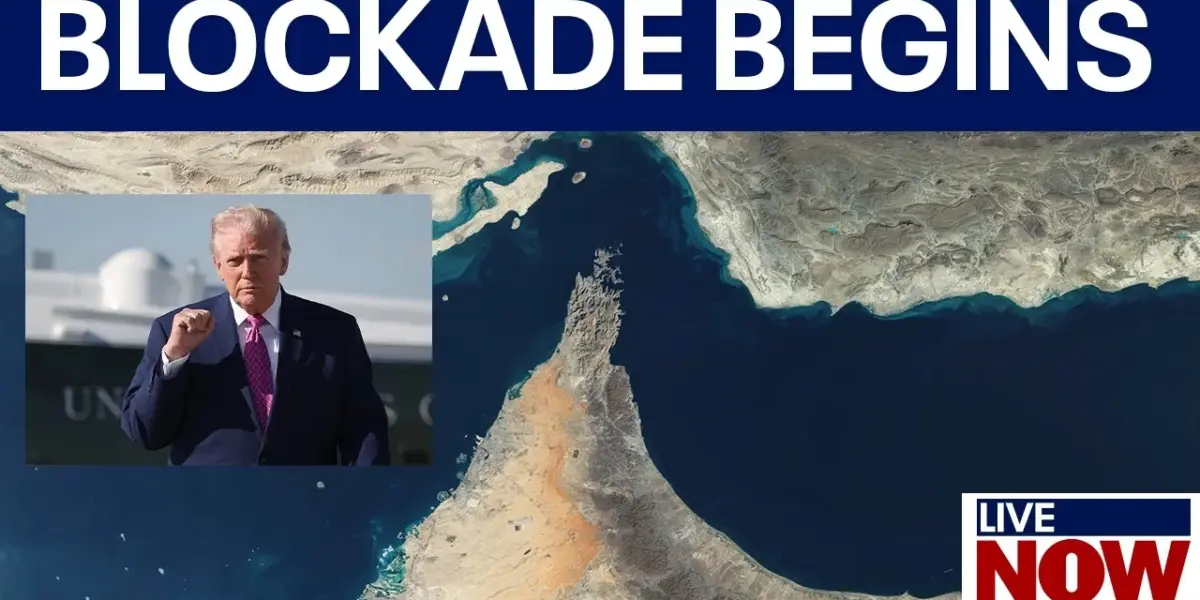
Navy Enforces Blockade on Iranian Ports
The United States Navy has begun a blockade of Iranian ports, a move confirmed by official advisories and President Donald Trump’s own statements. The operation, which started at 10 a.m.
Eastern Standard Time, targets the vital Strait of Hormuz and extends to Iran’s entire coastline. This action restricts access to Iranian ports, oil terminals, and coastal facilities for vessels of any flag.
Trump Declares ‘Obliteration’ of Iranian Navy Ships
President Trump took to his Truth Social platform to announce the blockade, issuing a stark warning to Iran. He claimed the Iranian Navy was being “laying at the bottom of the sea completely obliterating. 158 ships.” While stating that a small number of fast attack ships were not hit, he considered them “not much of a threat.”
Trump emphasized the strictness of the blockade, stating that any vessel approaching it would be “immediately. Eliminated.” He likened the U.S. Navy’s approach to the methods used against drug dealers at sea, describing it as “quick and brutal.” The President cited a success rate of 98.2% in stopping drugs coming into the U.S. by ocean or sea.
International Maritime Advisory Issued
The United Kingdom Maritime Trade Operations issued a formal advisory to mariners, detailing the scope of the restrictions. The advisory stated that access limitations would apply to Iranian ports and coastal areas. This includes the entire Iranian coastline in the Strait of Hormuz, the Arabian Gulf, the Persian Gulf, and the Gulf of Oman.
The notice specified that these restrictions apply without distinction to all vessels. This means any ship, regardless of its flag, engaging with Iranian ports, oil terminals, or coastal facilities is subject to the blockade. A limited grace period has been granted for neutral vessels currently within Iranian ports to depart.
Context of the Strait of Hormuz
The Strait of Hormuz is a critical chokepoint for global oil transportation. Approximately 30% of the world’s seaborne crude oil passes through this narrow waterway daily. Any disruption in the strait can significantly impact global energy markets and international trade.
The U.S. Navy’s action in the Strait of Hormuz is a significant escalation of tensions in the region. The blockade aims to exert maximum economic pressure on Iran, potentially impacting its oil exports and access to international markets. The effectiveness and long-term consequences of this move remain to be seen.
Broader Implications and Future Outlook
This naval blockade represents a bold move by the Trump administration, signaling a hardline stance against Iran. The administration’s strategy appears focused on crippling Iran’s economy through stringent maritime controls. The international community will be closely watching Iran’s response and the potential ripple effects on regional stability and global oil prices.
The coming days will likely see further reactions from Iran and its allies, as well as statements from other global powers. The success of the blockade in achieving its stated objectives will depend on its enforcement and the broader geopolitical responses it elicits. The U.S. Navy’s continued presence and actions in the Strait of Hormuz will be a key development to monitor.
Source: Trump reacts after Navy begins blockade of Iranian ports (YouTube)

Related Articles
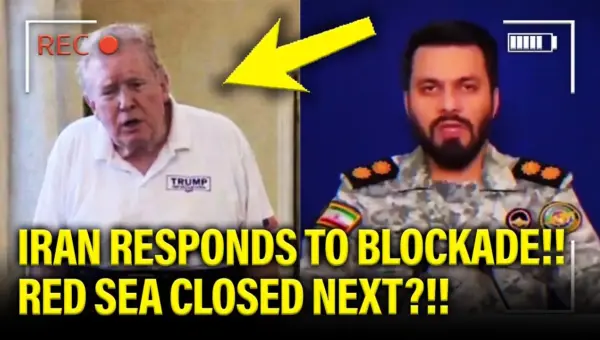
Iran Mocks US Blockade Threat, Escalates Regional Tensions
Iran is openly mocking the U.S. threat of a naval blockade in the Persian Gulf, calling it an escalation that makes deals impossible. The exchange follows recent incidents that have heightened distrust, and Iran warns of retaliatory action if the blockade proceeds. The situation raises concerns about regional stability and global oil prices.

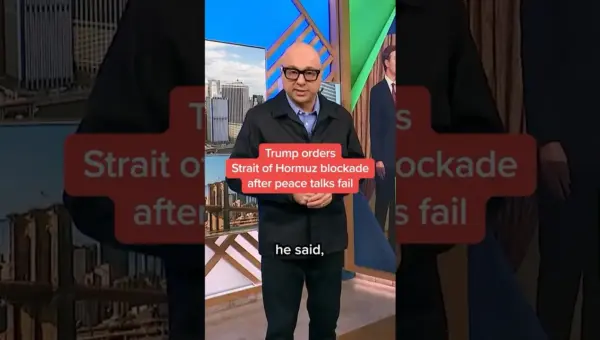
Trump Orders Hormuz Blockade as Iran Talks Collapse
President Trump has ordered the U.S. Navy to blockade the Strait of Hormuz following the collapse of peace talks with Iran. The directive aims to halt all maritime traffic and interdict vessels that have paid tolls to Iran. This significant escalation could have major repercussions on global oil markets and regional stability.

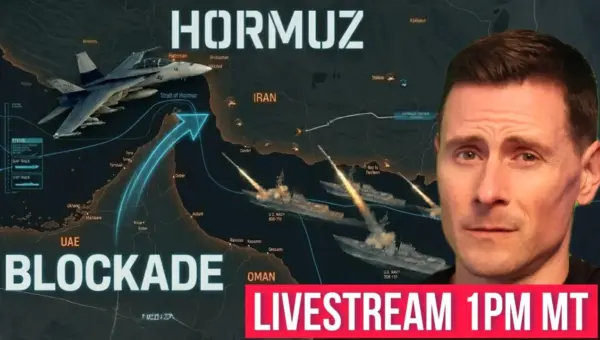
US Naval Blockade Tightens Grip on Hormuz
The United States has initiated a naval blockade in the Strait of Hormuz, a critical global energy chokepoint, potentially escalating regional tensions. This move aims to counter Iran's influence and control over vital shipping lanes, impacting global energy markets and trade. The strategy is viewed by some as a complex geopolitical maneuver to boost US energy independence and isolate Iran.