Iran Mocks US Blockade Threat, Escalates Regional Tensions
Iran is openly mocking the U.S. threat of a naval blockade in the Persian Gulf, calling it an escalation that makes deals impossible. The exchange follows recent incidents that have heightened distrust, and Iran warns of retaliatory action if the blockade proceeds. The situation raises concerns about regional stability and global oil prices.

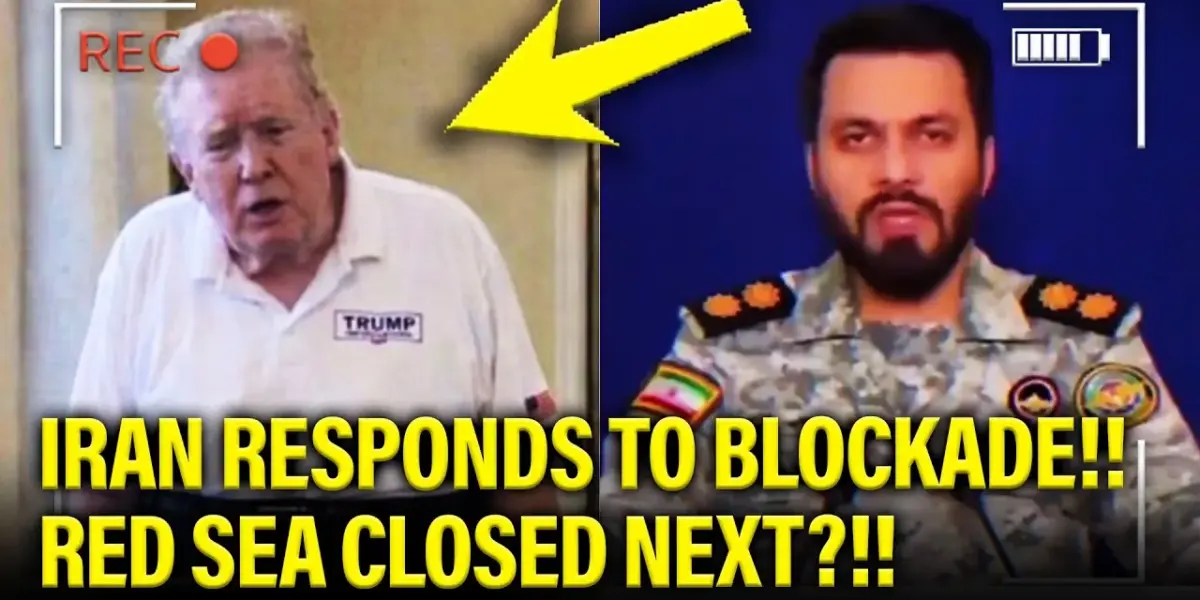
Iran Mocks US Blockade Threat, Escalates Regional Tensions
The United States has announced plans for a naval blockade in the Persian Gulf, a move Iran is openly ridiculing. Iran claims the U.S. is escalating tensions and making a deal impossible, pointing to past failed negotiations. They argue that imposing a blockade would actually close off the Strait of Hormuz further, not open it as the U.S. suggests.
While the U.S. Central Command (CENTCOM) stated the blockade would only affect ships going to Iranian ports, the reality is more complex. Oil often moves between countries in the region, meaning a blockade could impact more than just direct Iranian port traffic. Iran’s social media is ablaze with posts mocking CENTCOM’s threat, suggesting that a real blockade requires more than just posting on social media and actually moving ships closer.
Past Incidents Fuel Distrust
This exchange follows recent events that have heightened distrust. Just days prior, CENTCOM claimed two U.S. Navy destroyers conducted a successful mine-sweeping operation in the Strait of Hormuz.
However, video later emerged showing Iranian naval vessels approaching the U.S. destroyers, warning them to turn back or face destruction. The U.S. destroyers reportedly complied and turned around, contradicting CENTCOM’s earlier statement about a successful mission.
The transcript suggests these events have weakened the perception of U.S. military strength. Iran’s response implies that threats are not enough and that actual force would be needed to enforce a blockade. This perceived weakness is seen as a direct result of the current U.S. leadership’s approach to foreign policy and military action.
Iran’s Counter-Threats and Regional Power Plays
Iran has warned that if the U.S. proceeds with its blockade, it will retaliate by shutting down the Bab al-Mandab Strait in the Red Sea. This move, potentially carried out by their proxies, the Houthis in Yemen, would halt all oil flows. Former Iranian Foreign Minister Ali Akbar Velayati stated that the “resistance front” views the Bab al-Mandab Strait the same way it views the Strait of Hormuz, warning that global energy and trade could be disrupted with a single move.
Another former Iranian official, Mohsen Razi, echoed this sentiment, calling the U.S. blockade a doomed failure. He asserted that Iran’s armed forces would not allow it and possess significant ways to counter it. Iran’s government and officials have repeatedly stated that their country is not a place to be blockaded through mere threats or symbolic actions, viewing such actions as indicative of a “paper tiger” approach rather than genuine power.
Iran’s Military Capabilities and Diplomatic Stance
Reports indicate that Iran’s navy, despite past damages, still possesses a substantial fleet. This includes patrol ships armed with missiles and torpedoes, along with hundreds of fast boats and rocket launchers.
Iran also has unmanned underwater drones and a significant inventory of ballistic missiles and drones, much of which remains undestroyed. This military strength is seen as a key factor in Iran’s confidence in facing U.S. threats.
On the diplomatic front, Iran’s President has expressed a willingness to reach an agreement if the U.S. abandons its “totalitarianism” and respects Iran’s rights. Iranian officials have also stated that the U.S. entered recent talks in Islamabad without a genuine intent to reach a deal. Their demands reportedly included shared stakes in Iranian projects, control over the Strait of Hormuz, removal of enriched uranium, and a 20-year suspension of Iran’s uranium enrichment rights.
Internal U.S. Military Concerns and Economic Ramifications
Meanwhile, reports suggest cracks are forming within the U.S. military. Low morale, ethical concerns, and an increasing number of service members choosing to leave or not reenlist are cited as reasons. The GI Rights Hotline has seen a significant increase in calls, with many service members inquiring about conscientious objection, especially since the conflict began.
The economic implications of escalating tensions are also a major concern. Iran has warned that a blockade could lead to oil prices soaring to $200 per barrel.
Iranian officials suggest that any disruption to the Strait of Hormuz could cause a compounding increase in oil prices, making current prices seem like a distant memory. The U.S. Air Force has even had to reactivate a retired 68-year-old tanker aircraft due to damages to its aerial refueling fleet during recent operations linked to the Iran conflict.
Historical Context and Future Outlook
The current situation echoes historical tensions between the U.S. and Iran, particularly concerning maritime access and regional influence. The Strait of Hormuz, a vital chokepoint for global oil supplies, has long been a focal point for strategic maneuvering. Past incidents, such as the Iran-Iraq War and various naval standoffs, highlight the volatile nature of this waterway.
The U.S. administration is reportedly considering various options against Iran, including limited military strikes, though a full-scale bombing campaign is seen as unlikely due to potential regional destabilization. The temporary blockade scheme is also being evaluated. Israel has stated its readiness to attack Iran if given the command by the U.S. Former Iranian Foreign Minister Javad Zarif has criticized these actions, calling them the desperate moves of a gambler who doesn’t know when to quit.
The U.S. President has expressed confidence in the blockade’s effectiveness and claimed that many countries are willing to help, though reports suggest otherwise. He also stated that Iran is in a desperate situation and their military capabilities are depleted.
However, he reiterated that Iran will not obtain a nuclear weapon. The conflicting narratives and escalating rhetoric suggest a continued period of high tension and potential for further confrontation in the region.
The situation remains fluid, with Iran continuing to assert its capabilities and willingness to retaliate. The effectiveness of any U.S. blockade and the potential for wider conflict will depend on a complex interplay of military actions, diplomatic responses, and economic pressures. The next steps, particularly regarding any potential U.S. military action beyond the proposed blockade, are anticipated with significant global attention.
Source: Trump PANICS as Iran RESPONDS TO BLOCKADE!!! (YouTube)

Related Articles

Trump Orders Hormuz Blockade as Iran Talks Collapse
President Trump has ordered the U.S. Navy to blockade the Strait of Hormuz following the collapse of peace talks with Iran. The directive aims to halt all maritime traffic and interdict vessels that have paid tolls to Iran. This significant escalation could have major repercussions on global oil markets and regional stability.

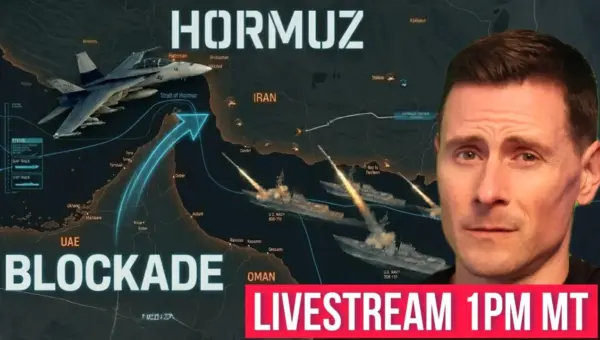
US Naval Blockade Tightens Grip on Hormuz
The United States has initiated a naval blockade in the Strait of Hormuz, a critical global energy chokepoint, potentially escalating regional tensions. This move aims to counter Iran's influence and control over vital shipping lanes, impacting global energy markets and trade. The strategy is viewed by some as a complex geopolitical maneuver to boost US energy independence and isolate Iran.

Oil Tensions Spike: Airfares Soar as Iran Deal Falters
President Trump has ordered a naval blockade of the Strait of Hormuz following failed negotiations with Iran, disrupting oil exports and driving up jet fuel prices. This is leading to higher airfare and increased baggage fees for travelers, with experts warning prices may not fall soon.