Trump Fed Nominee Faces Scrutiny Over Fortune, Independence
Kevin Warsh, tapped by President Trump to lead the Federal Reserve, faces intense scrutiny over his personal fortune exceeding $100 million and potential conflicts of interest. His nomination is further complicated by a political standoff in the Senate, where one key senator's opposition could block his confirmation.

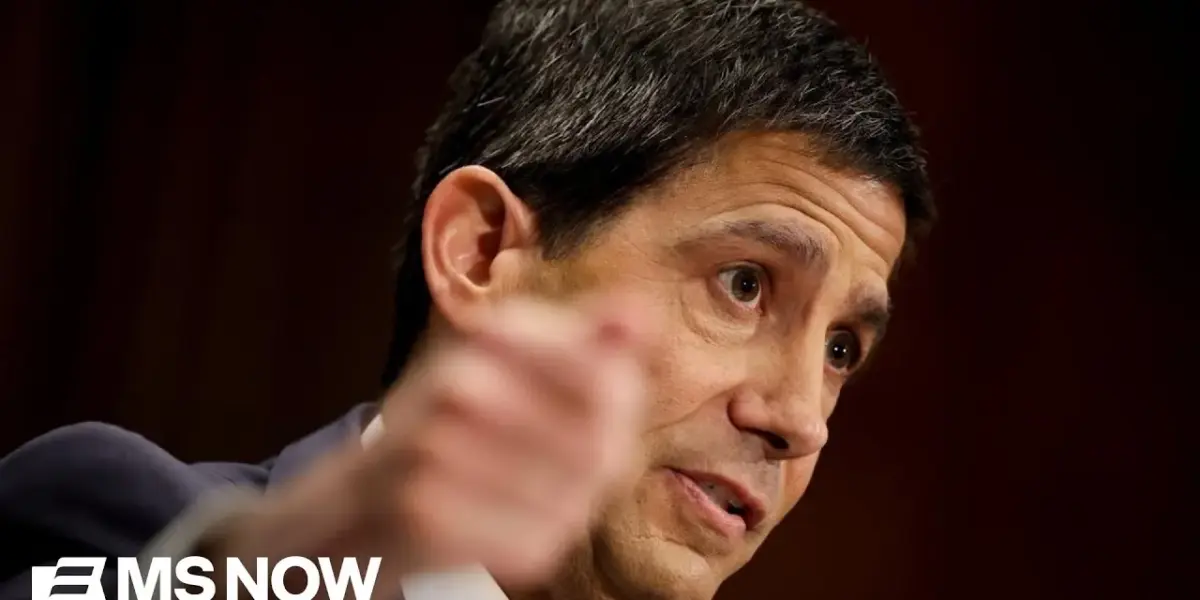
Warsh Nomination Faces Hurdles Amid Wealth and Independence Concerns
Federal Reserve Chair nominee Kevin Warsh faced intense questioning on Capitol Hill this week regarding his significant personal wealth and his ability to remain independent from presidential pressure. Warsh, a former Fed official and potential candidate for the top job, has drawn scrutiny from lawmakers and policy experts alike. The core of the debate centers on whether his financial ties and past associations could compromise his judgment if confirmed.
The Fed’s Power Over Everyday Finances
The Federal Reserve, often referred to as the Fed, plays a key role in the nation’s economy. Its decisions, particularly regarding interest rates, directly impact the cost of everything from car loans to mortgages.
When the Fed raises interest rates, it aims to slow down the economy to combat rising prices, a move that can unfortunately lead to job losses. Conversely, lowering rates can help create jobs but might also fuel inflation, making goods and services more expensive.
“The Fed has tremendous influence over interest rates throughout the real economy. So that means every car you buy, every mortgage you have, everything that basically dictates how much money we’re spending and how many jobs are being created falls in some way to monetary policy.”
This delicate balancing act makes the choice of Fed chair critically important. Experts emphasize the need for a chair who prioritizes the financial well-being of working families over the interests of Wall Street. Concerns have been raised that Warsh’s career has shown a greater inclination toward serving financial institutions rather than the average American.
Questions About Financial Dealings and Conflicts of Interest
Warsh’s personal finances have become a major point of contention during his nomination process. Reports indicate he possesses a fortune exceeding $100 million, making him potentially the wealthiest Fed chair nominee in history. However, details about the exact sources of this wealth and specific investments remain unclear, raising red flags for ethicists and lawmakers.
A significant concern involves over $100 million in investments that have not yet been disclosed in compliance with federal ethics laws. This lack of transparency fuels worries about potential conflicts of interest, particularly if Warsh has invested in or done business with the very banks and financial institutions the Fed is tasked with overseeing. His past involvement in the bailout of Morgan Stanley, his former employer, during the 2008 financial crisis, and his subsequent waiver to work on related issues while at the Fed, have further fueled these concerns.
Independence from Presidential Pressure
A key question facing any Fed nominee is their ability to remain independent from political influence, especially from the President. Warsh stated during his hearing that monetary policy independence is essential and that policymakers must act in the nation’s interest, unaffected by elected officials’ opinions on interest rates. He asserted that presidential pressure would not impact him or the Fed.
However, critics question whether this commitment to independence would hold under direct pressure from a president who appointed him. Some observers suggest that a president seeking to influence monetary policy would likely not choose a nominee who might resist such pressure. The nominee’s associations with figures like Peter Thiel, a tech billionaire known for his skepticism of democracy and significant influence in Republican politics, have also raised concerns about his broader political alignment and potential allegiances.
Political Maneuvering on Capitol Hill
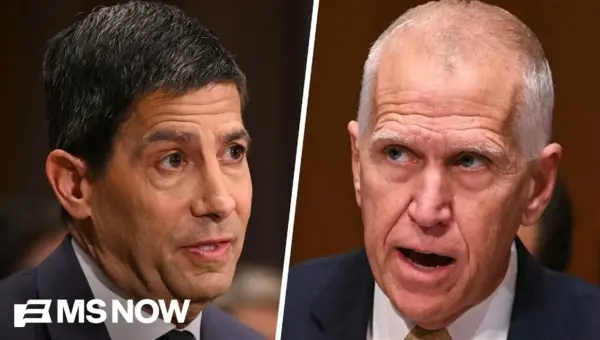
Beyond Warsh’s qualifications, his nomination is entangled in a broader political battle on Capitol Hill. The fate of his confirmation may hinge less on his personal merits and more on the actions of a single senator: Tom Tillis (R-NC). Senator Tillis has stated he will not vote to advance Warsh’s nomination out of the Senate Banking Committee.
Tillis views the nomination as a political tactic by the President to pressure Fed Chair Jerome Powell into lowering interest rates. The Senate Banking Committee has a narrow 13-13 split between Republicans and Democrats.
If Tillis votes with the Democrats, the committee vote would be tied, effectively blocking Warsh’s nomination from moving forward to the full Senate. Tillis has been resolute, stating that he will not budge on his position as long as there is an ongoing Justice Department investigation into Jerome Powell, which he sees as a direct threat to the Fed’s independence.
The Path Forward for Warsh’s Nomination
With Senator Tillis holding firm, Warsh’s path to confirmation appears highly uncertain. The only way for his nomination to proceed without Tillis’s support would involve a complex and unlikely procedural move requiring significant Democratic backing.
This suggests that despite potential agreement on Warsh’s qualifications, the ongoing investigation into Fed Chair Powell remains the primary obstacle. The situation highlights the deep political currents influencing critical economic appointments and the ongoing debate over the Federal Reserve’s role and independence.
Source: Trump's Fed chair nominee faces questions on $100M+ fortune (YouTube)

Related Articles

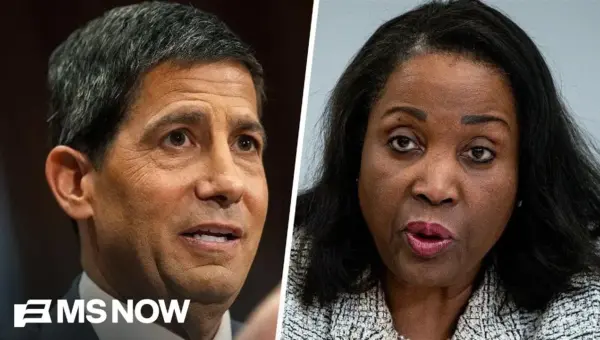
Fed Independence Tested: Governor Cook’s Firing and Powell Probe
Attempts by former President Trump to fire Fed Governor Lisa Cook and a criminal probe into Fed Chair Jerome Powell are testing the independence of the Federal Reserve. Legal rulings have so far protected Governor Cook, while Chairman Powell asserts the investigations into him are politically motivated. Nominee Kevin Warsh's testimony highlighted the sensitivity of these issues and the importance of Fed autonomy.
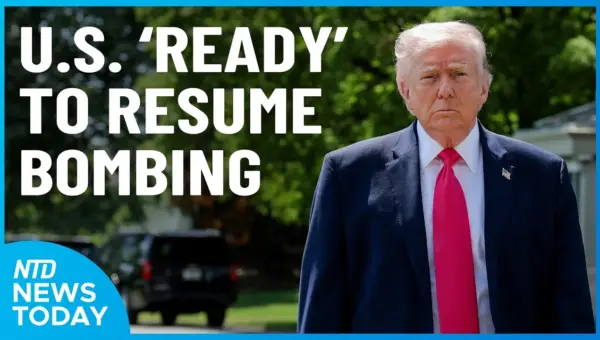
US Readies Military Might for Iran; Fed Nominee Faces Scrutiny
President Trump signals readiness to bomb Iran if deal talks fail, amidst naval blockades and potential Chinese involvement. Meanwhile, Federal Reserve nominee Kevin Warsh faces a key Senate hearing, discussing economic policy and independence. The military also shifts its vaccine policy, and investigations into Medicare fraud and the Southern Poverty Law Center continue.
Senator Tillis Votes No on Fed Chair Nominee Over Probe
Senator Thom Tillis announced he will vote against Jerome Powell's reappointment as Federal Reserve Chair. Tillis cited a "bogus" investigation into Powell's finances as the primary reason for his opposition. He urged the Department of Justice to end the probe so he could support the confirmation.