Hungary’s New PM Faces Huge Task After Orbán’s Fall
Hungary has elected Peter Magyar as its new Prime Minister, ending Viktor Orbán's 16-year rule. Magyar faces a significant challenge in dismantling Orbán's authoritarian system and restoring democratic institutions. This election could also weaken populist movements across Europe.

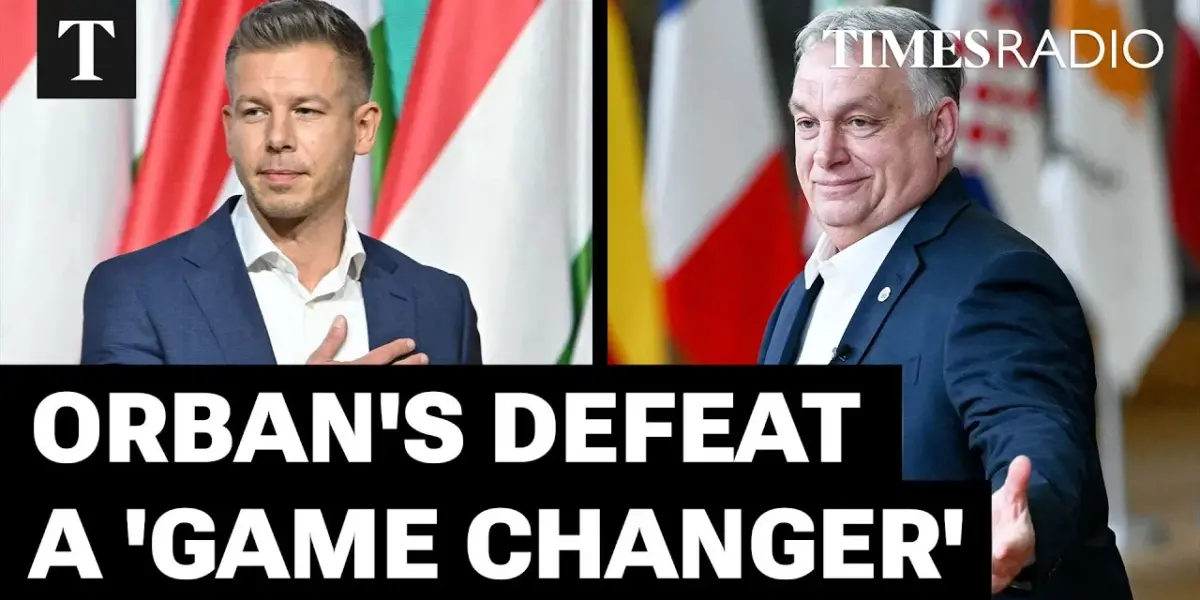
Hungary Elects New Leader, Ending Orbán’s 16-Year Rule
Hungary has a new Prime Minister, Peter Magyar, who won a decisive victory, signaling an end to Viktor Orbán’s 16 years in power. This election is a major event for Hungary and could also impact the entire European Union. Orbán often opposed EU decisions and blocked aid to Ukraine.
He also openly admired Russian President Vladimir Putin. Now, the question is whether Magyar will truly change Hungary’s direction and if Orbán’s defeat will weaken the populist and nationalist movements across Europe.
Magyar’s Challenge: Dismantling an Authoritarian System
Peter Magyar faces a difficult job ahead. He must dismantle the complex government structure built over 16 years by Viktor Orbán. Orbán’s government created an illiberal system that many see as undemocratic and poorly managed.
This mismanagement led to economic stagnation for three years and a severe decline in public services, which were key reasons for Orbán’s loss. Magyar has a short window, likely just a few months, to show he can govern effectively, not just campaign well.
Promises and Power: Magyar’s Path Forward
Magyar has promised to remove corrupt officials and allies of Orbán from key positions. He has specifically targeted the head of state television and others who controlled media and businesses under Orbán’s rule. Fortunately, Magyar’s party holds a supermajority in parliament.
This gives him the legal power to make significant changes quickly. However, the challenge is to use this power democratically, avoiding the mistakes of the past. Hungarians expect him to rebuild democratic institutions and consult with other parties, even Orbán’s Fidesz party, which remains a significant political force.
Resetting Hungary’s Role in Europe and Beyond
A main goal for Magyar is to make Hungary a normal, cooperative European country again. While Hungary might still disagree with some EU policies, it will no longer be an obstacle to European decision-making. Regarding foreign policy, Hungary will likely adopt a more pragmatic approach.
Orbán’s government secured a 10-year gas supply contract with Russia and began a large nuclear plant project with Russian investment. The new government must carefully assess these deals and other potential secret agreements before charting a new course. Building trust with European partners will be essential, while relationships with Russia will become more practical and less friendly.
Broader Impact on European Populism
The defeat of Viktor Orbán has significant implications beyond Hungary’s borders. Orbán’s success was built on promoting illiberal ideas, nationalist sentiments, and conspiracy theories, which he claimed could lead to repeated electoral victories. His loss suggests that this strategy may not last forever.
This development poses a problem for Russia and some of Orbán’s European allies, like certain far-right movements. While Orbán remains a political figure, his diminished influence could weaken the broader populist nationalist movement across Europe. The next few years will be crucial in determining Orbán’s ability to maintain his political standing.
Looking Ahead
Peter Magyar now faces the critical task of implementing his agenda and restoring trust in Hungary’s democratic institutions. The coming months will reveal how effectively he can navigate the complex political and economic challenges inherited from the Orbán era and reshape Hungary’s role on the European stage.
Source: Orbán's Defeat To Pose Major Problems For Trump & Eastern Europe | Former Hungarian MP (YouTube)

Related Articles
Starmer Eyes EU Single Market Rapprochement
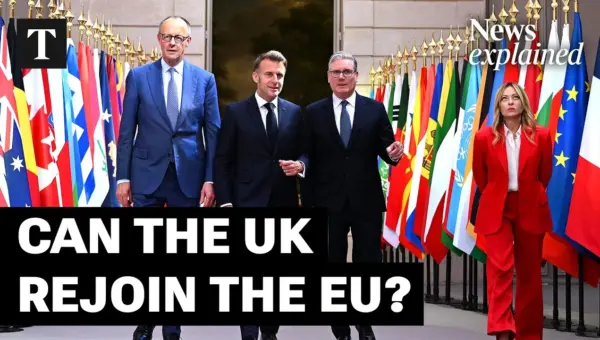
The Labour Party, led by Keir Starmer, is planning legislation to bring the UK closer to EU single market rules, aiming to fix perceived economic damage from Brexit. While this move is supported by some on the left and reflects shifting public opinion, it faces strong opposition from Brexit supporters and the Conservative party. The policy could significantly impact Starmer's ability to win back voters lost in previous elections.
Macron Pushes Hungary on Ukraine Aid Amidst Shifting Alliances
French President Macron urges Hungary to approve a 90 billion euro loan for Ukraine, while President Zelenskyy questions reliance on Trump for peace. Ukraine is preparing updated security guarantees amid rejected Russian ultimatums and high war costs. Geopolitical tensions also rise with concerns over Iran and the Strait of Hormuz.

Hungary’s Media Dominance: Orban’s Soft Authoritarianism
Prime Minister Viktor Orban's government in Hungary has heavily influenced the media, a tactic described as "soft authoritarianism." While avoiding overt repression, this strategy saturates the information space with government propaganda, creating an uneven playing field for independent media and potentially facing public discontent.