US Navy Seizes Sanctioned Oil Ship in Indian Ocean
The U.S. Navy seized a sanctioned oil tanker carrying 1.9 million barrels of crude in the Indian Ocean, adding tension to global oil markets. This occurs as a U.S.-Iran cease-fire is set to expire, keeping traders on edge.

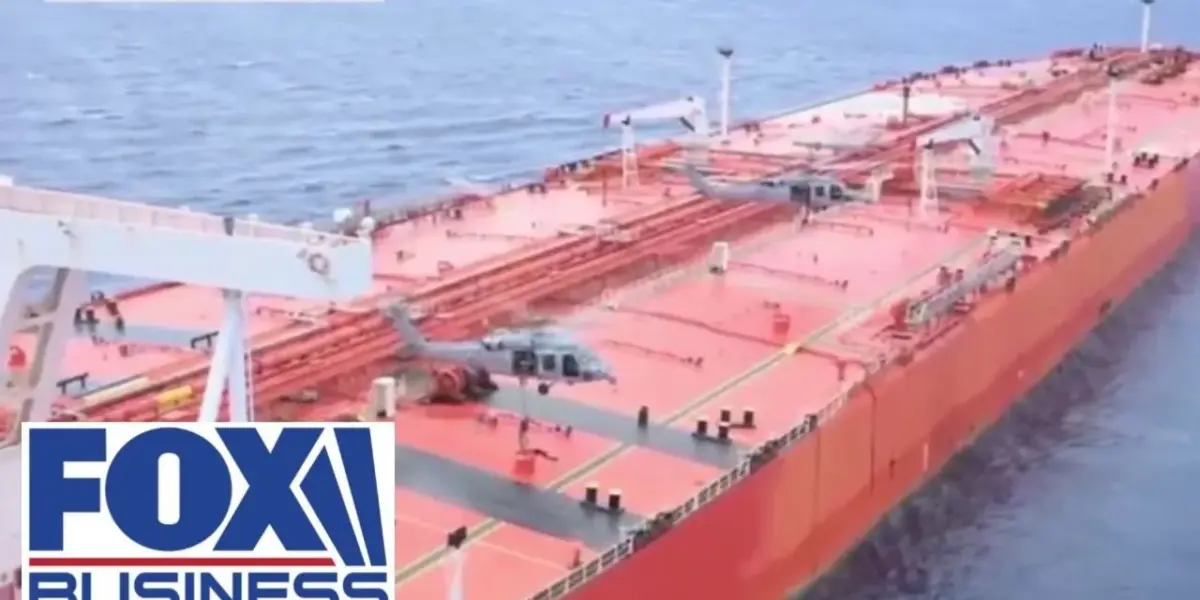
US Navy Seizes Sanctioned Oil Ship in Indian Ocean
The U.S. Navy has intercepted and seized a sanctioned oil tanker in the Indian Ocean, a move that adds another layer of uncertainty to global oil markets. The vessel, identified as the Tiffany, was found heavily laden with approximately 1.9 million barrels of crude oil. This operation occurred outside the Persian Gulf, marking a significant enforcement action against vessels believed to be supporting Iran.
The tanker had loaded its cargo at Kharg Island, a major oil terminal in Iran, on April 6th. It was reportedly heading east towards China.
U.S. officials stated that the Navy conducted the operation to disrupt networks providing material support to Iran. The seizure highlights the U.S. commitment to enforcing sanctions, even on ships operating far from traditional shipping lanes.
Market Reacts to Geopolitical Tensions
This incident comes as traders are closely watching the approaching expiration of a cease-fire between the U.S. and Iran. Oil prices have been particularly sensitive to any news or developments related to this truce. Traders have been reacting quickly to updates, suggesting a high level of nervousness in the market.
The Strait of Hormuz, a critical chokepoint for global oil transport, remains a key focus. Any disruption here can significantly impact global supply.
While President Trump has claimed the U.S. has control of the strait, analysts note that sustained peace would require a longer period of stability, potentially two to three months. This would be needed to build market confidence.
Oil Price Outlook
If a peace deal is reached and sustained, analysts suggest that oil prices could stabilize in the range of $80 to $100 per barrel for the current quarter. However, the seizure of the sanctioned vessel introduces immediate volatility. The market is now weighing the potential impact of this enforcement action against the ongoing cease-fire negotiations.
The Strait of Hormuz typically sees heavy traffic, and its stability is crucial for the oil industry. Traders are closely monitoring the situation for any further escalations or resolutions. As of this morning, at least one tanker was reported to have passed through the strait, indicating that some level of traffic continues.
Broader Market Movements
Beyond the oil sector, the broader market showed signs of a modest rally. The Dow Jones Industrial Average was up 341 points. Amazon’s logistics arm is expanding its operations, adding 75 trucks to its fleet as part of new technology initiatives, and its stock saw a nearly 2% increase.
Homebuilder stocks, like D.R. Horton, experienced a downturn.
While the company reported better-than-expected results last quarter and stronger margins projected for this quarter, it is facing headwinds. Incentives aimed at boosting sales have impacted their profit margins, leading to a bottoming out of sorts.
Conversely, shares of a company referred to as Averse surged by 12%. This stock has experienced extreme volatility, with trading halted and resumed multiple times.
The stock is up a remarkable 380% this month. This surge has reportedly forced short-sellers, who bet on a stock’s price falling, to buy back shares to cover their positions, further driving up the price.
Barclays downgraded this company to ‘underweight’ but surprisingly raised its price target to $150. This mixed signal from analysts adds to the speculative nature surrounding the stock’s dramatic rise.
What Investors Should Know
The seizure of the sanctioned oil tanker introduces a new risk factor into the energy market. Investors should monitor developments regarding the U.S.-Iran cease-fire and any potential retaliatory actions. The stability of the Strait of Hormuz remains paramount for oil prices.
For those tracking the broader market, the divergence in stock performance is notable. Amazon’s expansion signals continued investment in logistics, while D.R.
Horton’s challenges highlight pressures on the housing sector. The extreme volatility in certain stocks, like Averse, highlights the speculative trading activity that can occur, often driven by short-covering dynamics.
The situation with the sanctioned ship is a reminder of the geopolitical risks that can directly impact commodity prices. Investors should consider these factors when assessing their portfolio allocations, particularly in energy-related assets.
The next key date to watch will be the expiration of the U.S.-Iran cease-fire agreement.
Source: US interdicts sanctioned ship outside of Persian Gulf (YouTube)

Related Articles
Iran Deal: Trump’s ‘Lipstick on a Pig’ Threatens Global Stability
Former diplomat Alan warns that any Iran deal brokered by Donald Trump could be a 'lipstick on a pig' scenario, potentially worse than past agreements. The conflict has disrupted global systems, creating a new, less stable reality with no easy military solutions. Both sides face internal pressures, complicating negotiations and increasing the risk of further escalation.

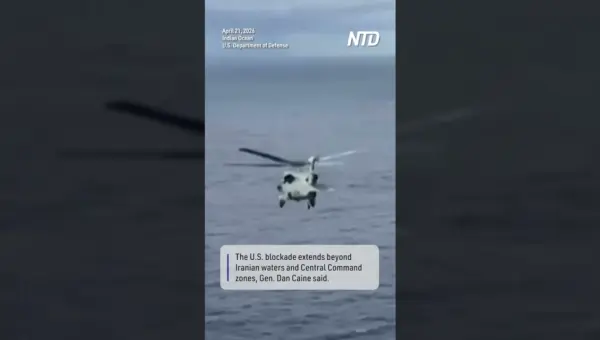
US Navy Seizes Illicit Oil Cargo at Sea
U.S. forces boarded a sanctioned oil tanker in the Indian Ocean, seizing cargo smuggled from Iran. This action underscores the ongoing efforts to enforce international sanctions and disrupt illicit financial networks operating through vital shipping lanes. The operation highlights the complex challenges and strategies involved in maritime interdiction.

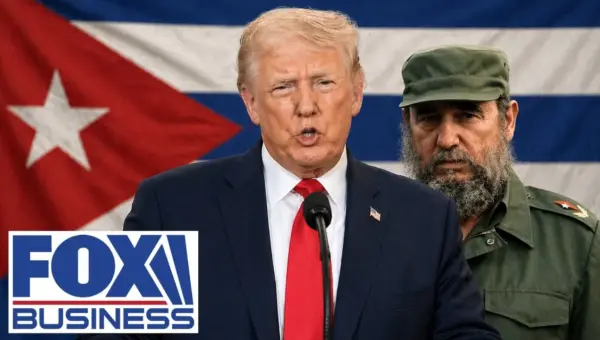
Cuba Faces Ultimatum: US Offers Deal Window
The U.S. State Department has issued an ultimatum to Cuba, signaling a closing window for a potential deal. Meanwhile, Representative Nicole Malliotakis is raising alarms about potentially inflated contracts for New York City homeless shelters, questioning how taxpayer money is being spent.