
FCC Chair Climbs Tower, Highlighting Connectivity Push
FCC Chair Brendan Carr's 2,000-foot tower climb highlights a push for rural connectivity. Meanwhile, a new poll shows Gen Z feeling anxious and angry about AI's potential job displacement.
22 articles
FCC Chair Brendan Carr's 2,000-foot tower climb highlights a push for rural connectivity. Meanwhile, a new poll shows Gen Z feeling anxious and angry about AI's potential job displacement.
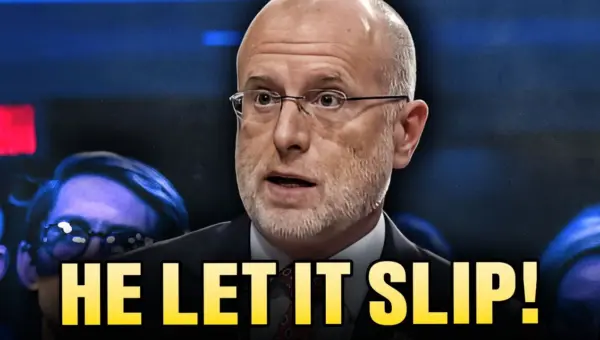
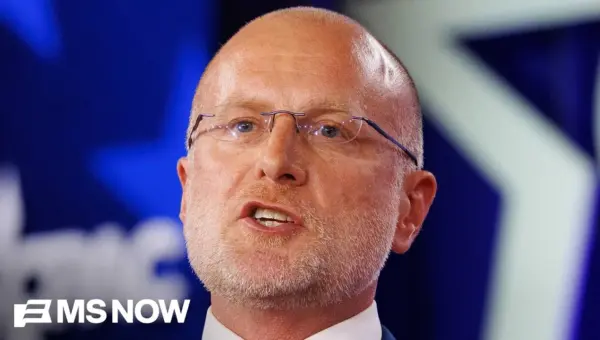
Former FCC Chair Brendan Carr's public boasts at CPAC about media changes like PBS and NPR defunding, and shifts at CBS and CNN, have raised serious concerns. Critics argue these statements expose a deliberate agenda to influence and control news organizations, potentially undermining press freedom.
FCC Chairman Brendan Carr celebrated President Trump's influence over the media at CPAC, listing changes in news organizations as victories. Critics, however, expressed alarm over the politicization of media regulation and the potential threat to free speech principles.
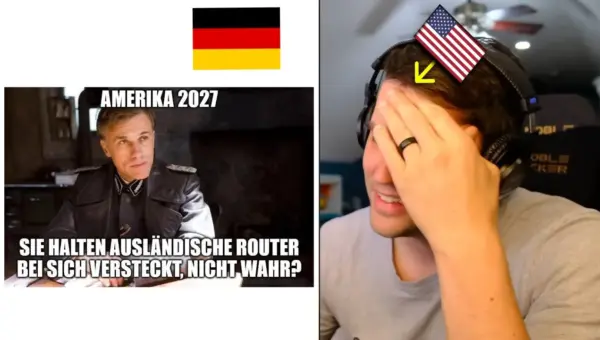
A deep dive into German memes reveals a surprising focus on US national security, specifically the FCC's ban on foreign-made internet routers. This analysis explores the security concerns, the political satire behind the memes, and why this issue matters in our connected world.
The FCC has banned new foreign-made routers, citing national security concerns. However, critics question the policy's logic, as existing routers remain unaffected and specific risks are undisclosed. This move sparks debate over its true effectiveness in enhancing cybersecurity.
The US government has banned new consumer routers, citing security concerns. However, critics argue the ban fails to address the real causes of router hacks and inconsistently applies security standards. Existing routers are unaffected, but future product launches face significant delays.
Eight state attorneys general are suing to block a massive merger between TV giants Tegna and Nexstar. They argue the deal, approved by the Trump FCC, would create a media behemoth reaching 80% of U.S. households, threatening local news choice and journalistic diversity. This legal fight challenges federal approval and highlights concerns over ideological conformity in broadcasting.
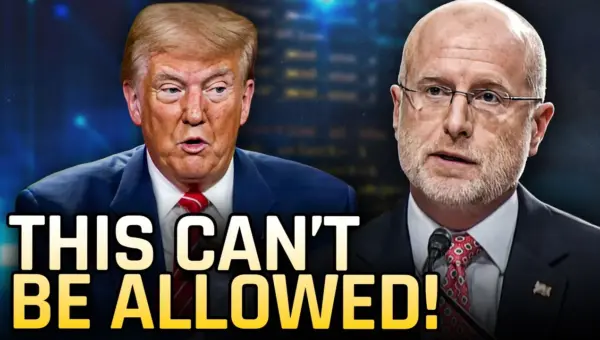
FCC Chairman Brendan Carr has threatened broadcast licenses for media outlets not serving the "public interest," following President Trump's criticism of war coverage. Experts warn this move could stifle press freedom during wartime and influence reporting narratives.
FCC Chairman Brendan Carr's warning to broadcasters about "fake news" and potential license revocation has raised alarms about government control over media. This analysis explores the legal basis for such threats, historical parallels with authoritarian regimes, and the implications for press freedom in the United States.
The Trump administration faces serious allegations of attempting to illegally censor war coverage and retaliate against independent media. Legal experts and lawmakers are raising alarms about potential First Amendment violations and the abuse of government power. The administration's actions have drawn bipartisan criticism and have been met with significant pushback from the judiciary.