
US Threatens Strait of Hormuz Blockade Closure
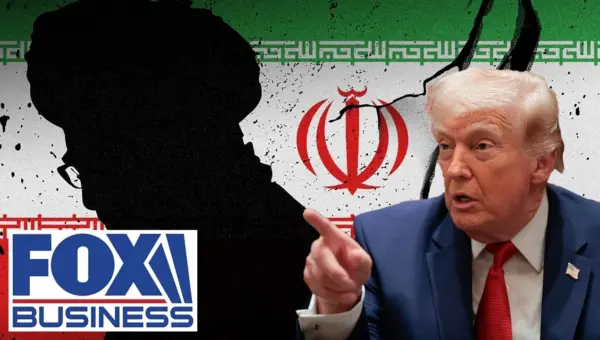
The U.S. has issued an ultimatum to force the Strait of Hormuz open, signaling potential military and economic actions. This move could significantly impact global oil prices and energy markets.
93 articles
The U.S. has issued an ultimatum to force the Strait of Hormuz open, signaling potential military and economic actions. This move could significantly impact global oil prices and energy markets.
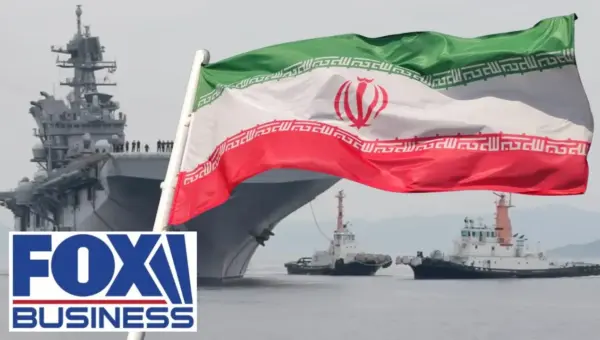
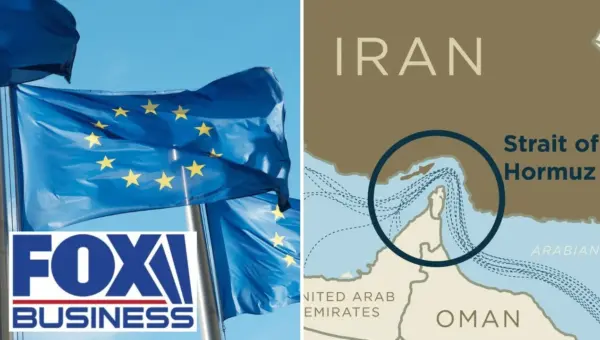
Tensions are high around the Strait of Hormuz, a vital global oil shipping route. Experts warn that Iran has the capacity to disrupt this waterway with relatively simple tactics, potentially impacting global energy prices. The situation underscores the geopolitical risks affecting international trade.
Iran has escalated its conflict by directly targeting energy infrastructure in the Gulf, including oil and prochemical facilities. These attacks have caused significant damage across multiple countries and are expected to lead to sustained supply disruptions and higher energy prices through 2026. Market reactions are anticipated to be severe when trading resumes.
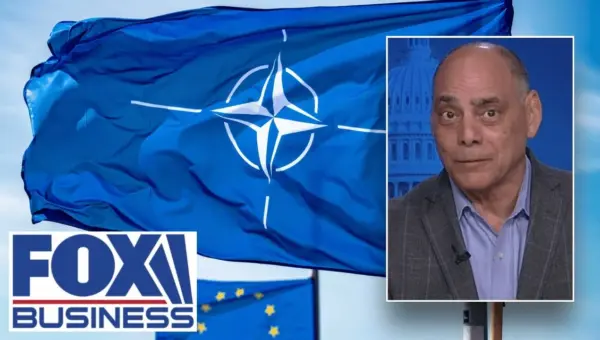
A retired U.S. Army Lieutenant Colonel asserts that the United States has achieved its primary objectives in Iran, effectively winning the conflict. He also defends the strategic importance of the NATO alliance, arguing its value is often underestimated by focusing on a few key members.
An analyst expresses concern over traditional European allies' slow response to geopolitical threats, warning it could destabilize global markets. The focus shifts to nations like Saudi Arabia and the UAE for security contributions, while Europe's energy vulnerability is highlighted. Market anxiety over potential recession and volatility is growing.
The conflict in Iran has escalated dramatically, with the U.S. targeting critical infrastructure like bridges. Iran is retaliating by attacking energy assets in the Gulf. This "infrastructure warfare" risks severe global economic consequences, including soaring oil prices and increased inflation.
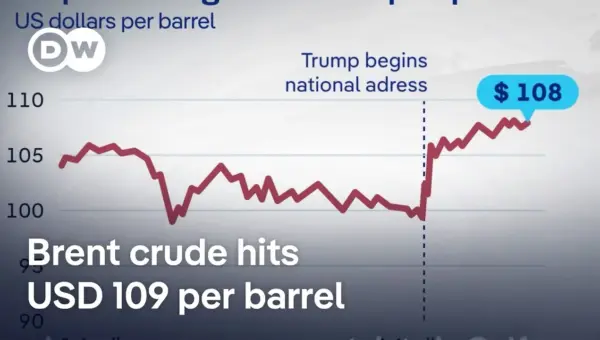
Oil prices surged past $108 a barrel following President Trump's speech on the Iran conflict, sending shockwaves through global energy markets. Experts warn that the disruption of the vital Strait of Hormuz shipping lane is now entering a critical phase, with significant impacts expected worldwide.
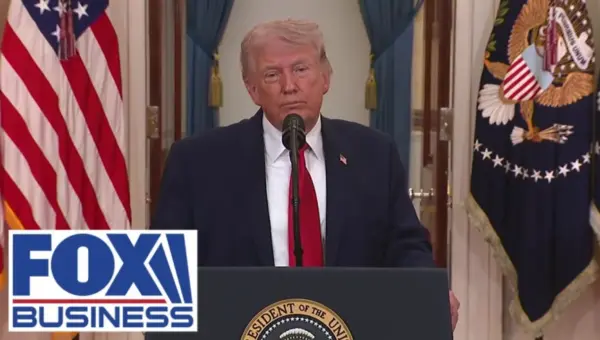
President Trump plans to conclude military operations in Iran within two to three weeks, vowing to hit the nation "extremely hard." The conflict has impacted gas prices, but the President expects a quick market recovery. European allies are urged to take more responsibility for securing vital shipping lanes.
President Trump announced that the U.S. military operation against Iran, 'Operation Epic Fury,' is nearing its objectives, claiming Iran's military capabilities are being decimated. The operation aims to prevent Iran from acquiring nuclear weapons and reduce its regional influence. The White House suggests this will lead to stabilized energy prices and economic growth.
Market strategist Mike Crane criticizes Europe's "short-sighted behavior" towards the U.S. and geopolitical threats, citing jealousy and a focus on diplomacy over security. He warns that Europe's energy policies and reluctance to address issues like the Strait of Hormuz could lead to instability, while also noting shifts in global finance from U.S. Treasuries to gold.