Putin Wins Big as Ukraine Fights Back: A Strategic Gamble
Vladimir Putin is unexpectedly benefiting from global tensions, finding new markets for Russian oil. Ukraine's resistance is a key factor limiting Putin's financial gains. Meanwhile, Iran is strategically positioning itself by threatening vital shipping routes.


Putin’s Unexpected Gain from Global Tensions
The recent conflict involving Iran was expected to bring about significant change for the Iranian people, perhaps even a new government. However, the situation has taken an unexpected turn, with Vladimir Putin emerging as a key beneficiary. This shift means that countries can now purchase Russian oil without the immediate fear of facing severe penalties.
This development directly benefits Putin’s war effort. The only significant obstacle standing between him and a massive financial gain are the Ukrainian people. Their continued resistance makes life increasingly difficult for Russia, impacting its ability to wage war effectively.
Questioning Russia’s Economic Claims
Adding to this complex picture, the head of Swedish military intelligence recently made a significant statement. He pointed out that Russia has been fabricating its economic data for years. The positive economic growth and stability figures Russia has presented are, according to this intelligence, simply untrue.
This suggests that Russia, much like in other areas, has been dishonest about its economic performance. Therefore, claims of Russia’s current economic well-being should be viewed with extreme skepticism. Their improved situation is likely due to a temporary, abstract financial boost rather than genuine economic strength.
Iran’s Strategic Moves and Regional Impact
Beyond Russia, Iran also stands to gain strategically from the current global situation. Iran has effectively played its most powerful card, demonstrating its willingness to disrupt vital shipping routes. The Strait of Hormuz, a critical global chokepoint for oil transport, has been directly threatened.
This action sends a clear message to Iran’s neighbors, including the United Arab Emirates and Qatar. It shows that Iran is prepared to use force and create instability in the region. This strategic posturing could have long-term implications for regional security and global energy markets.
Why This Matters
The interconnectedness of global events is on full display here. A conflict in one region directly impacts economic policies and military strategies in another. Putin’s ability to sell oil, despite international sanctions, highlights the limitations of economic pressure when other global powers need energy supplies.
Ukraine’s ongoing fight is not just about its own sovereignty; it is also a crucial factor in limiting Russia’s financial resources. The effectiveness of Ukraine’s defense directly affects Putin’s capacity to fund his military operations and maintain his grip on power.
Implications and Future Outlook
This situation suggests that international sanctions may not be as effective as hoped, especially when global energy demands remain high. Countries may prioritize their own economic needs over geopolitical solidarity. This could embolden other nations facing sanctions to test the limits of international pressure.
The regional instability caused by Iran’s actions also poses a threat to global trade and security. The potential for escalation in the Middle East could lead to further disruptions in oil supplies and increased global inflation. This creates a volatile environment where economic and military actions are closely intertwined.
Historical Context
Russia has a history of using its energy resources as a political tool. For decades, it has leveraged its oil and gas exports to exert influence over neighboring countries and Europe. The current situation is a continuation of this long-standing strategy, adapted to new global circumstances.
Iran, too, has a history of using its strategic location and control over the Strait of Hormuz to project power. Previous tensions in the Persian Gulf have often involved threats to shipping, leading to increased global oil prices and heightened diplomatic efforts to de-escalate. These historical patterns are repeating themselves in the current crisis.
The Road Ahead
The coming months will be critical. Ukraine’s ability to continue its defense will directly influence Russia’s financial stability. Simultaneously, diplomatic efforts will be crucial to de-escalate tensions in the Middle East and ensure the free flow of global trade.
The next major development to watch will be the response from global powers to Iran’s continued threats to the Strait of Hormuz. This response will shape regional stability and global energy markets for the foreseeable future.
Source: Is Putin the real winner of the Iran war — and is Ukraine the only thing stopping him? (YouTube)

Related Articles
Russia’s UN Envoy Mocks Ukraine as ‘Expendable’
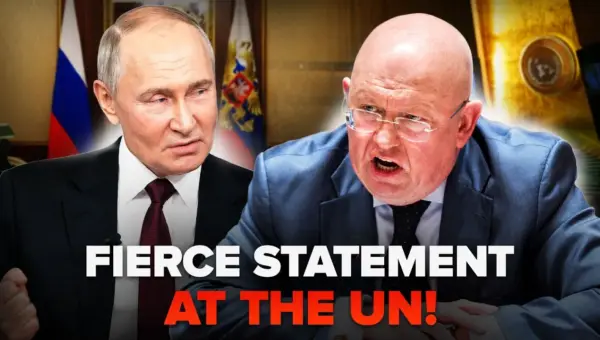
Russia's UN envoy Vasily Nebenzya sparked controversy by calling Ukrainians 'expendable material' and blaming the West for prolonging the war. Ukraine's UN representative countered with stark casualty projections for Russia. Meanwhile, the EU is moving to approve a 90 billion euro aid package for Ukraine, while internal criticism emerges from Russian pro-war channels regarding infrastructure defense.

Iran Faces Economic Collapse Under Sanctions Pressure
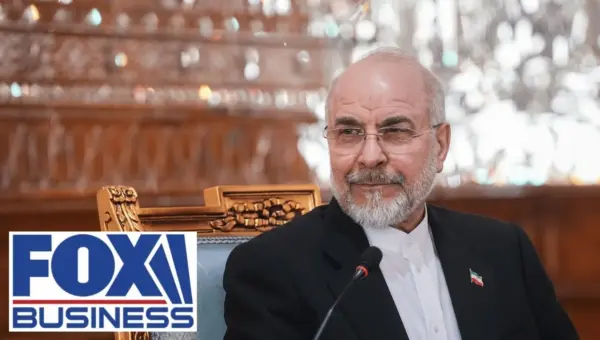
Iran is facing severe economic strain as international sanctions bite hard, potentially threatening its ability to survive financially. Analysts believe a strategy of financial pressure, including a blockade on oil sales and seizure of offshore assets, is crippling the nation.


US-Iran Tensions: What Happens If Talks Collapse?
The failure of upcoming U.S.-Iran talks could plunge the Middle East into a dangerous new phase. Analysts warn of three potential scenarios, ranging from a fragile de facto ceasefire to renewed hostilities initiated by either side. Without a formal agreement, the risk of an incident triggering wider conflict remains high.