US Strikes on Iran: Legal Debate Ignites
Recent US and Israeli strikes on Iran have ignited a debate over their legality, focusing on international law and the UN Charter. While a UN Security Council resolution is the gold standard for authorizing force, such approvals are rare. Nations often rely on arguments of self-defense, a justification that has become central to the current conflict.

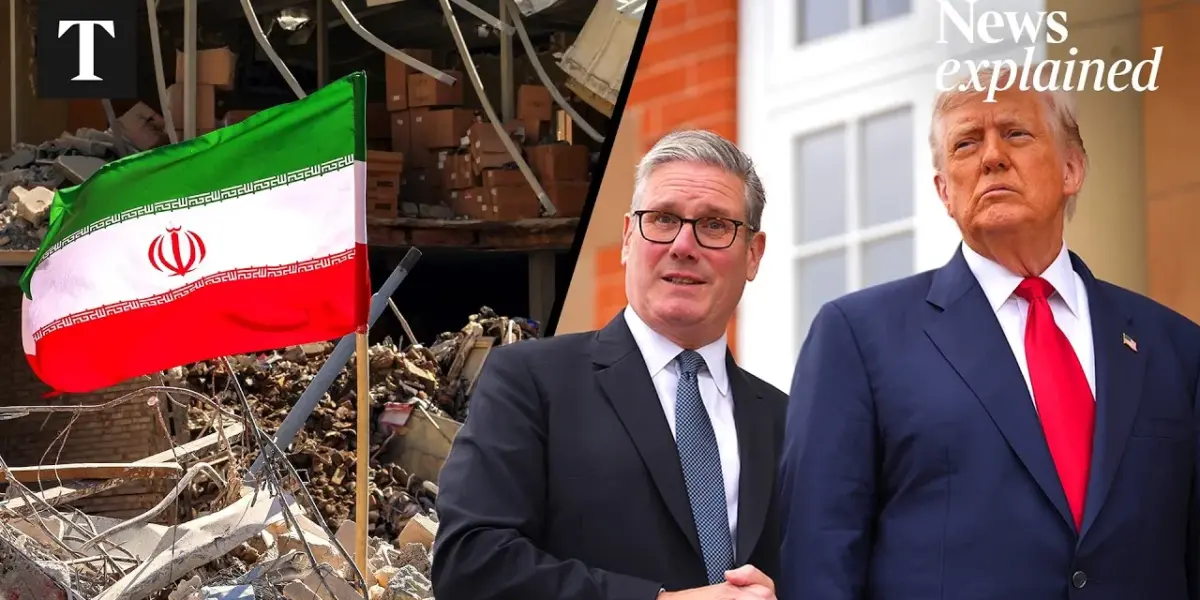
US Strikes on Iran Face Legal Scrutiny
Recent military actions by the United States and Israel against Iran have sparked intense debate over their legality. While many have condemned the strikes as illegal, the question remains whether international law provides a clear framework for such actions or if it’s a battleground for strong emotions. The United Nations Charter, established after World War II, offers guidelines, but its application in modern conflicts is complex and often contested. This situation forces a deep look into how nations justify military engagement on the global stage.
The UN Security Council’s Role
The clearest legal path for authorizing military force under international law is a Chapter 7 resolution from the United Nations Security Council. This resolution grants approval for all necessary means to address a threat to international peace and security. However, such resolutions are rare. Since 1945, only three major conflicts have received this gold standard of approval: the Korean War in 1950, the liberation of Kuwait in 1991, and NATO’s operation in Libya in 2011. The effectiveness of the Security Council is often hampered by the veto power held by its permanent members, including the US, China, and Russia, who frequently block resolutions due to geopolitical rivalries.
Self-Defense and Preemption Arguments
In the absence of a UN Security Council resolution, nations often resort to arguments based on self-defense or the preemption of an imminent threat. The United States, in justifying its actions, has suggested that Iran was preparing to attack. This proactive, defensive stance was presented as a measure to prevent significant damage. The US has characterized its operation on Iran as a defensive move, aiming to neutralize threats before they could be carried out. This justification relies on the interpretation that the strikes were necessary to protect against an impending attack.
Challenging the Legality: The UK’s Position
Initially, the United Kingdom maintained a cautious stance. Keir Starmer stated that the UK played no part in the strikes, implying an acknowledgment of potential illegality due to the lack of a specific UN authorization. This position aligns with a narrow interpretation of international law, where UN backing is considered essential. However, it’s noted that most international military actions, including the Kosovo intervention in 1999 advocated by Tony Blair, have proceeded without such explicit UN approval. The UK’s initial reluctance highlights the difficulty in aligning national interests with strict international legal interpretations, especially under pressure from allies like the US.
Shifting Justifications and Article 51
The situation evolved as Iran began targeting nations considered allies of Britain in the Gulf region. This shift provided a new basis for justification under Article 51 of the United Nations Charter. Article 51 recognizes the inherent right of individual or collective self-defense if an armed attack occurs against a member of the United Nations. The UK then argued that its forces were acting to support these allies in their self-defense efforts and to degrade Iran’s capacity to launch further attacks. This allowed British forces to assist by providing access to UK bases for US aircraft engaged in these operations.
Self-Defense Becomes the Dominant Argument
As the conflict escalated and Iran’s actions directly impacted allies, the argument for self-defense gained prominence. This legal rationale allowed the UK to reframe its involvement, moving from non-participation to active support under the guise of collective security. While many may still feel the strikes were morally or politically wrong, the legal framework of self-defense, particularly under Article 51, has become the prevailing justification. This legal argument has, for now, largely superseded the initial debate about the necessity of a UN Security Council resolution, reflecting a common practice in international military engagements.
Source: Are the US Strikes on Iran Legal? (YouTube)

Related Articles
Military Strikes on Boats: A Dangerous Gamble?
A recent exchange reveals that one in four boats intercepted by the U.S. Coast Guard since 2024 had no drugs. This statistic raises serious questions about the risks and ethical implications of military actions against vessels, especially when there's a significant chance of error. The debate highlights the need for accountability and precise strategies in combating the drug crisis.
Trump’s Global Chaos: Might Makes Right?
Donald Trump's actions, from challenging international law to embracing a Christ-like image, are reshaping the global order. This shift towards 'might makes right' creates instability and emboldens adversaries, while figures like the Pope warn of a loss of human dignity and justice.


US Blockade Triggers New Global Chaos
The U.S. Navy's blockade of the Strait of Hormuz escalates tensions with Iran, risking global conflict and economic fallout. This move challenges international law and sets a dangerous precedent for controlling vital trade routes.