Justice for Lumumba? Belgian Diplomat Faces Trial for Congo Hero’s Death
A Belgian diplomat, Etienne Davignon, will stand trial over the 1960 assassination of Patrice Lumumba, Congo's first prime minister. The move is seen as a crucial step towards truth and justice for Lumumba's family, more than 60 years after the colonial-era killing. The trial could be the first criminal prosecution of its kind against a former colonial power.

Belgian Diplomat to Stand Trial Over Lumumba Assassination
More than 60 years after the assassination of Patrice Lumumba, Congo’s independence icon, a former Belgian diplomat has been ordered to stand trial. This decision marks a significant step toward potential justice for one of Africa’s most brutal political killings. Lumumba’s family has welcomed the court’s ruling, viewing it as progress in their long pursuit of accountability.
The Quest for Truth and Recognition
Lumumba’s family emphasized that this legal action is not about revenge or financial reparations. Instead, it is a crucial demand for recognition and a deep understanding of the events that led to his death. “We just want the truth,” stated a representative for the family, highlighting the core objective of the legal proceedings.
Etienne Davignon: A Key Figure in the Tragedy
Etienne Davignon, now 93, is the last surviving Belgian among 11 individuals initially indicted for their alleged roles in Lumumba’s demise. In 1960, when Congo gained independence from Belgium, Davignon served as a junior aide within the Belgian Foreign Ministry. Investigations have since revealed that Belgium actively sought to undermine Lumumba’s government.
Davignon’s Alleged Role
Records from a Belgian inquiry indicate that Davignon, who was stationed in Kinshasa at the time, was tasked with creating a legal justification to remove Lumumba from office. Following his service in Congo, Davignon’s career advanced significantly. He rose through the ranks of the Belgian Foreign Ministry and even served as an EU commissioner.
Charges and Lumumba’s Legacy
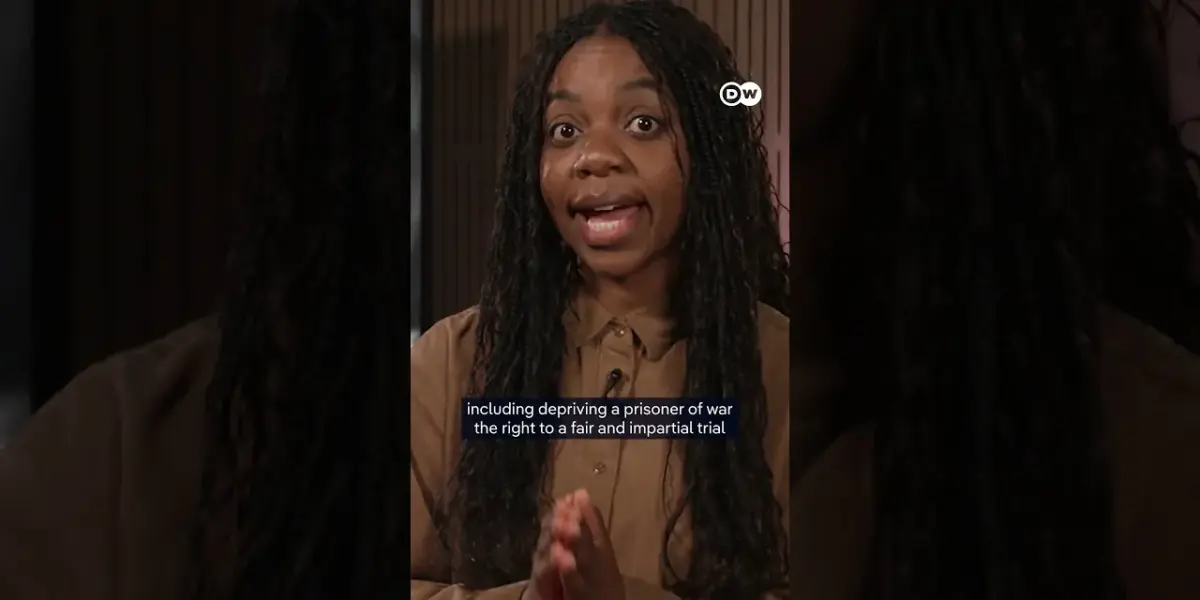
Davignon faces charges related to participation in war crimes. These include depriving a prisoner of war of a fair trial and inflicting degrading and inhumane treatment. Patrice Lumumba, a pivotal figure in Congo’s history, served as the nation’s first prime minister after independence.
Lumumba’s Short Tenure and Tragic End
His time in office was brief, lasting only a few months. A major disagreement with Belgium led to his overthrow in a coup.
He was subsequently imprisoned and subjected to torture before his execution by firing squad. Belgian mercenaries reportedly supported the execution, and Lumumba’s body was dismembered and dissolved in acid to conceal the crime.
Belgian Acknowledgment and Activist Calls
A Belgian parliamentary inquiry in 1991 concluded that Belgium bore moral responsibility for Lumumba’s killing. Activists view the trial of Etienne Davignon as a vital step toward achieving truth and justice for all victims of colonial-era violence. Lumumba’s death not only devastated his family but also deprived a developing nation of its democratically elected leader.
Historical Significance of the Trial
The potential trial of Davignon, possibly beginning early next year, would be historic. It stands to be the first criminal prosecution concerning the killing of an African independence leader by a former colonial power. While Davignon has the right to appeal the decision, the proceedings represent a significant moment in post-colonial justice efforts.
Broader Implications for Colonial History
The assassination of Patrice Lumumba had profound and lasting effects on the Democratic Republic of Congo and the broader African continent. Lumumba was a charismatic leader who advocated for genuine independence and self-determination for his country. His vision included nationalizing resources and severing neo-colonial ties, which put him at odds with Belgian interests and Western powers concerned about his socialist leanings.
The Congo Crisis and its Aftermath
Lumumba’s brief premiership coincided with the chaotic early days of Congolese independence. The nation faced secessionist movements, notably in the mineral-rich Katanga province, which was supported by Belgian mining interests and former colonial administrators. Lumumba’s appeals for international assistance, including from the Soviet Union, further escalated Cold War tensions and fueled fears among Western governments.
The Role of Belgian and International Actors
The Belgian government, along with elements within the UN and the United States, played a complex and often contradictory role during the Congo Crisis. While the UN mission was ostensibly there to maintain order, Lumumba viewed its presence as insufficient to protect him from internal and external threats. The eventual coup against him, led by Colonel Joseph Mobutu (later Mobutu Sese Seko), was widely seen as being orchestrated with foreign backing.
The Fight for Historical Memory
The legal pursuit of justice for Lumumba has been a decades-long struggle for his family and supporters. They have worked tirelessly to uncover the truth and hold accountable those responsible for his death and the subsequent cover-up. The discovery of Lumumba’s tooth in the possession of a former Belgian police chief in 2016 and its eventual return to his family in 2022 were symbolic victories in this ongoing quest.
Lessons from the Past for the Future
The potential trial of Etienne Davignon offers a chance to confront the legacy of colonialism and its violent consequences. It highlights the importance of accountability for wartime atrocities and the need to preserve historical memory. For Congo, achieving justice for Lumumba could represent a crucial step in healing national wounds and asserting its sovereignty.
What Happens Next
Etienne Davignon can appeal the decision to send him to trial. If the appeal is unsuccessful or not pursued, the trial could commence as early as next year. The international community will be watching closely as this historic case unfolds, potentially setting a precedent for future accountability in cases of colonial-era crimes.
Source: Justice for Lumumba after six decades? | DW News (YouTube)

Related Articles


General Warns of War Crime Trials for U.S. Military
Retired U.S. Army Brigadier General Steve Anderson warns that U.S. military members could face Nuremberg-style trials for war crimes. He criticizes former President Trump's handling of international conflicts, particularly in Iran, calling it a major geopolitical blunder. Anderson urges strategic international action for accountability after the current administration.


Trump Accused of War Crimes Amidst Failed Iran Talks
Former President Donald Trump faces accusations of war crimes following the collapse of talks with Iran. Legal experts argue his actions violated international law and ignored allies' calls for a ceasefire, raising serious questions about accountability.
Pope Condemns War, Stands Firm Against US Aggression
Pope Leo XIV has publicly condemned war crimes and aggressive U.S. policies, canceling a planned visit due to alleged threats. His strong stance emphasizes compassion and rejects the justification of violence in the name of religion, drawing parallels to historical papal struggles for independence.