Trump’s Legal Woes Mount as Courts Reject Defamation Claim
Donald Trump's defamation lawsuit against The Wall Street Journal was dismissed, with the court finding no evidence of "actual malice." This ruling, alongside discussions of Trump's attacks on the Federal Reserve chair and concerns about his mental fitness, underscores his ongoing legal and political challenges.

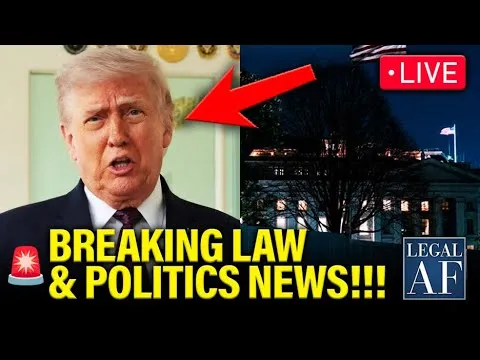
Trump’s Legal Struggles Intensify Amid Court Setbacks
In a tumultuous period for Donald Trump’s legal battles, recent court decisions have delivered significant setbacks. A defamation lawsuit he filed against The Wall Street Journal has been dismissed, highlighting the high bar required to prove such claims and the challenges Trump faces in controlling public narratives about himself.
The Epstein Connection and a Dismissed Lawsuit
At the heart of the dismissed lawsuit was a report by The Wall Street Journal concerning a birthday book created for Jeffrey Epstein. The report suggested that Donald Trump had contributed a sexually explicit item to this book. Trump, however, claimed this was defamation and that he had no involvement, positing an elaborate theory of a “time traveler” impersonating him.
The court, however, found no evidence to support Trump’s claim of “actual malice” by the newspaper. “Actual malice” is a legal standard requiring proof that the publisher knew the information was false or acted with reckless disregard for the truth. The judge noted that The Wall Street Journal had sought comment from Trump, who denied the claims, and that the newspaper had published his denial. This action itself suggests an effort to report fairly, not with malice.
Furthermore, the judge’s ruling touched upon the nature of Trump’s public persona. It was argued by the newspaper’s defense that Trump’s reputation is such that it is difficult to defame him further, given his own public statements and behavior. This perspective suggests that his actions and words have already shaped a public image that makes claims of reputational harm harder to prove.
Broader Legal and Political Landscape
Beyond the defamation case, the transcript touches upon a range of legal and political issues swirling around Donald Trump. One significant point of discussion is Trump’s repeated attacks on Federal Reserve Chair Jerome Powell. Despite Powell’s term ending soon and the potential for Trump to appoint a successor, Trump continues to criticize him. This behavior is seen by some as erratic and potentially driven by a desire to influence economic policy or distract from other issues.
The transcript also raises concerns about Trump’s mental fitness for office. A group of psychiatrists and psychologists have reportedly called for a committee to evaluate his mental status. This echoes sentiments expressed by some politicians and commentators who believe Trump’s actions and statements demonstrate a lack of stability. The discussion points to a growing chorus questioning his capacity to lead, especially in times of crisis.
The legal entanglements extend to other areas. The transcript mentions efforts by some groups, like the Oath Keepers and Proud Boys, to have their convictions reversed. It also references the ongoing investigations and potential legal actions by the Manhattan District Attorney’s office, though specific details are kept general.
Historical Context and Media’s Role
The legal standards discussed, such as “actual malice” in defamation cases, have roots in landmark Supreme Court decisions like New York Times Co. v. Sullivan. This ruling was designed to protect the press and allow for robust reporting on public figures, even if it sometimes involves criticism or unfavorable portrayals.
The role of the media in reporting on these events is also a key theme. The transcript criticizes some outlets, like Maria Bartiromo’s show, for not challenging Trump’s statements, effectively acting as conduits for his narratives rather than independent fact-checkers. This raises questions about journalistic responsibility and the impact of biased reporting on public perception.
Why This Matters
The dismissal of Trump’s defamation lawsuit is significant because it reinforces the legal protections afforded to the press. It suggests that public figures, especially those with a history of controversial statements, face a high burden of proof when trying to silence critical reporting. This outcome is crucial for maintaining a free and independent press, which plays a vital role in holding powerful individuals accountable.
Furthermore, the ongoing discussions about Trump’s legal challenges and mental fitness highlight the broader implications for American democracy. The stability of institutions, the rule of law, and the public’s trust in leadership are all at stake. The legal battles and the commentary surrounding them reflect a deep societal debate about accountability, truth, and the qualities required for effective governance.
Implications and Future Outlook
The legal setbacks for Donald Trump suggest a continued path of challenges in the courts. The dismissal of the defamation case, while not preventing him from refiling, indicates the difficulty of winning such claims. This could embolden news organizations to continue reporting on sensitive topics related to his past and present activities.
The persistent questions about his mental fitness and the legal actions he faces will likely continue to shape public discourse and potentially influence political outcomes. As these legal and political dramas unfold, they serve as a stark reminder of the complex interplay between law, media, and the democratic process in the United States.
Source: LIVE: Trump LAWSUIT DISMISSED as Lawyer Gets DISBARRED | Legal AF (YouTube)

Related Articles
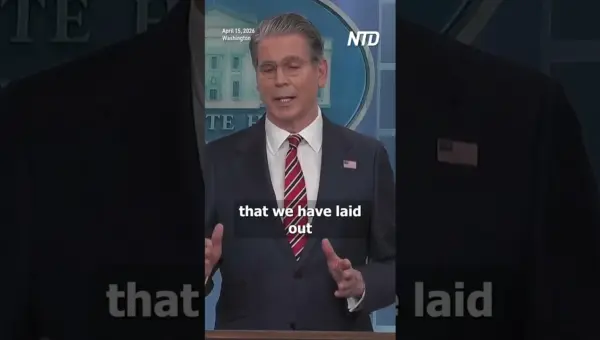
Powell’s Fed Exit Looms: Warsh Poised for Top Job
Kevin Warsh is reportedly set to become the next Federal Reserve Chair, with his confirmation hearing scheduled soon. This potential leadership change at the central bank signals a new direction for U.S. economic policy.

Trump’s Diet Soda Claim: A Joke or Dangerous Denial?
President Trump's alleged comment that diet soda kills grass and therefore cancer cells has sparked debate. While defended as a joke, critics worry about the normalization of health misinformation. This incident highlights the impact of public figures' words on health perceptions.

White House Ignores Crises for Trump’s 80th Birthday Bash
The White House's social media team focused on promoting Donald Trump's 80th birthday party instead of addressing failed US-Iran talks and rising prices. This decision raises questions about the administration's priorities and its use of government platforms.