Trump’s Allies Abroad Face Setbacks, Raising Concerns for GOP
The recent electoral defeat of Hungarian Prime Minister Viktor Orban, a key ally of Donald Trump, is raising concerns for the former president's political strategy. Analysts suggest that the loss signals potential trouble for Trump's own political playbook, particularly his attempts to project an image of inevitability and consolidate power. The findings also highlight growing voter discontent, fueled by economic woes and broken promises, which Democrats aim to capitalize on in upcoming elections.

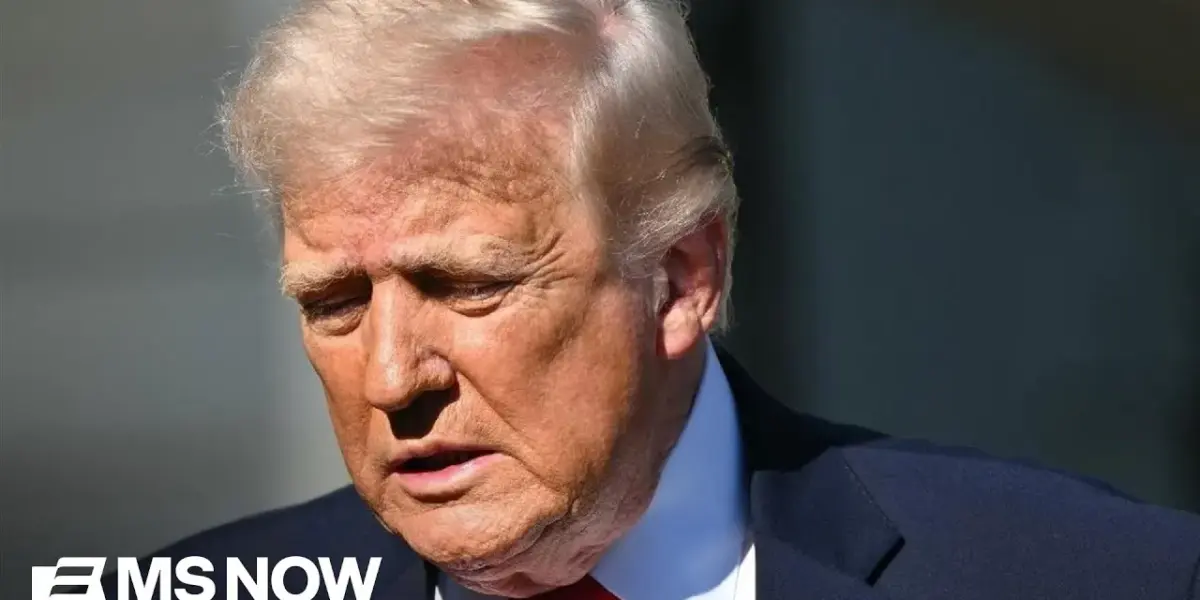
Orban’s Loss Signals Trouble for Trump’s Political Playbook
The recent election loss of Viktor Orban in Hungary, a close ally of former President Donald Trump, is sending ripples through the American political scene. Despite significant focus leading up to the election, the White House has largely remained silent on the results. President Biden has only briefly acknowledged the outcome, with one notable instance involving a shouted question during a McDonald’s delivery.
Sources within the White House have indicated a quiet reaction to Orban’s defeat. The strong support for Orban was often framed as a personal debt of loyalty to Trump.
Orban’s leadership style in Hungary, which involved consolidating power and controlling institutions, mirrored efforts seen in Trump’s political movement in the United States. This alignment between the two leaders, however, does not seem to have provided a clear explanation for Orban’s failure to win re-election.
The Illusion of Inevitability Shattered
For 16 years, Orban maintained a firm grip on power in Hungary, building a system designed to keep him in office. This included controlling media and projecting an image of inevitability, a strategy also employed by Donald Trump. Trump has frequently claimed he cannot lose unless elections are rigged, seeking to control districts and influence redistricting.
The question remains whether the White House still believes this narrative of inevitability. Polls consistently show public dissatisfaction with the current political climate, yet it’s unclear if this data is influencing Trump or his staff. Some reports suggest that figures like JD Vance are paying attention to this data, even if Trump himself remains insulated from dissenting opinions within his own administration.
Economic Woes and Broken Promises Fuel Voter Discontent
The defeat of Orban, despite his efforts to stack the system in his favor, highlights a crucial point: even with structural advantages, electoral success is not guaranteed. This should be a cause for concern for Donald Trump and those looking to carry on his political legacy. The aura of invincibility surrounding nationalist movements, which Trump admired in Orban, has been significantly damaged.
This is especially true when coupled with economic hardships. High gas prices, rising grocery costs, and inflation contribute to voter anxiety.
When the economy is struggling, voters are less likely to overlook other issues, such as perceived government overreach or broken campaign promises. The administration’s foreign policy decisions and potential military escalations also add to public unease.
Democrats See Opportunity in Republican Struggles
The lesson for Democrats, according to pollsters, is that electoral outcomes are not predetermined. They point to consistent Democratic overperformance in special and off-year elections since Trump took office, including flipping seats in traditionally Republican areas. This suggests that the public is increasingly looking for change and is turning away from the party in power.
For Republicans running for Congress, the message is clear: the public is not happy, and Donald Trump’s popularity is declining, particularly among independent voters. Even core Republican bases, like non-college-educated white voters and rural populations, are showing signs of wavering support for Trump. This trend could put traditionally safe Republican seats at risk in upcoming elections.
The Writing on the Wall for Congressional Republicans
Pollsters advise that congressional Republicans need to acknowledge these warning signs. As Trump’s support erodes, many Republicans may begin to distance themselves from him. The current political climate suggests that a strategy focused on making the upcoming midterm elections a referendum on Donald Trump could prove effective for Democrats.
The ongoing erosion of Trump’s support, especially among key demographic groups, presents a significant challenge for the Republican party. The results from Hungary serve as a clear reminder that even carefully constructed political systems can falter when voters express dissatisfaction. The coming months will reveal whether Republican candidates will heed these warnings and adjust their strategies accordingly.
Source: Republicans running for Congress have to 'read the writing on the wall': Pollster (YouTube)

Related Articles

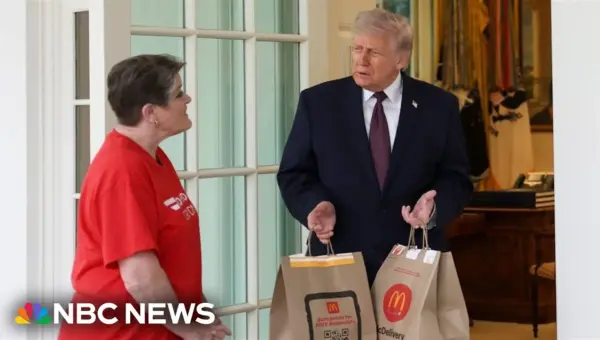
Trump Discusses Iran Deal, Pope Leo, and Tax Tips
President Trump discussed ongoing Iran negotiations and his disagreements with Pope Leo during a White House briefing. He also addressed a controversial social media post and highlighted tax benefits for tipped workers, using a DoorDash delivery as an example.
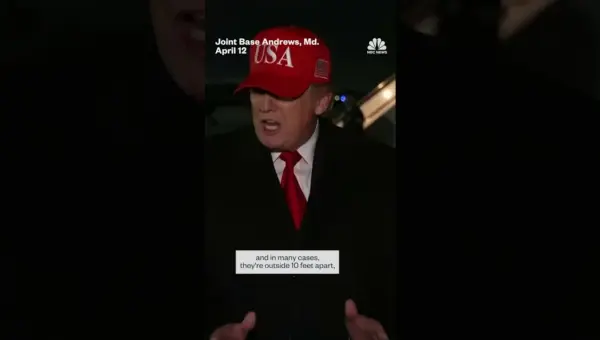
Trump Criticizes Pope Leo, Citing Crime and Nuclear Concerns
Former President Donald Trump publicly stated he is "not a big fan" of Pope Leo on Truth Social. He cited concerns over the Pope's perceived leniency on crime and his stance on nuclear weapons. Trump described the Pope as "very liberal" and not focused on protecting citizens.


Trump Slams Ex-Allies Over Iran War Stance
Former President Donald Trump is publicly criticizing key former allies like Alex Jones and Tucker Carlson over their opposition to a potential war with Iran. This public spat reveals a significant fracture within the MAGA movement, raising concerns for the Republican Party's unity and electoral prospects.