Pope Challenges Trump on Iran War, Urges Peace
Pope Leo XIV has publicly urged Americans to contact their representatives and demand peace, directly challenging President Trump's stance on Iran. Father Bryan Massingale of Fordham University explained the Catholic Church's long-standing opposition to 'wars of choice.' This intervention highlights the Vatican's significant moral influence on international relations.

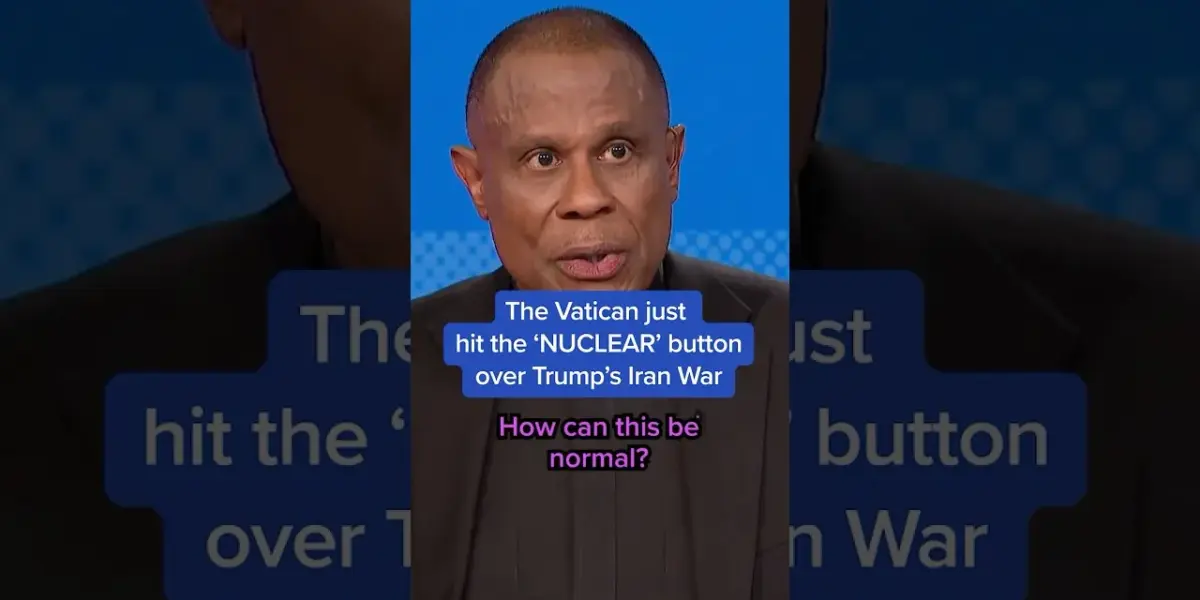
Pope Urges Americans to Seek Peace Amidst Iran Tensions
Pope Leo XIV, the first American-born pontiff, has directly urged American citizens to contact their elected officials and demand peace, marking a significant public challenge to President Donald Trump’s policies regarding Iran. This call to action, delivered from the Vatican, signals a strong moral stance by the Catholic Church against what it views as unnecessary conflict. Father Bryan Massingale of Fordham University explained the Church’s long-held position that wars initiated without clear moral justification are inherently wrong.
The Church’s Stance on ‘Wars of Choice’
Father Massingale detailed the Catholic Church’s ethical framework concerning warfare, particularly emphasizing its opposition to what are termed ‘wars of choice.’ These are conflicts undertaken when there is no immediate, direct threat to national security. The Church teaches that such wars carry a heavy moral burden, as they often result in significant loss of life and resources that could be used for humanitarian aid.
The Church’s doctrine on the just use of force, rooted in centuries of theological and philosophical thought, requires a high threshold for engaging in armed conflict. It stresses that war should always be a last resort, pursued only after all peaceful means have been exhausted. The moral evaluation of any conflict, therefore, hinges on necessity, proportionality, and the genuine aim of restoring a just peace.
Vatican’s Message to the Powerful
The Pope’s direct appeal to the American public represents a powerful way for the Vatican to influence policy without directly engaging in partisan politics. By empowering citizens to voice their concerns to their representatives, Pope Leo XIV is using the moral authority of his office to encourage a diplomatic rather than a military solution. This approach reflects a tradition within the Church of advocating for peace and human dignity on a global scale.
This intervention by the pontiff is particularly noteworthy given his American heritage. It suggests a deeply personal concern for how the United States, a nation with which the Vatican shares significant diplomatic ties, conducts its foreign policy. The message is clear: the pursuit of peace should be paramount in international relations.
Broader Implications for International Relations
The Pope’s statement could have far-reaching implications for how international conflicts are perceived and managed. It provides moral support for peace movements and encourages citizens worldwide to engage more actively in advocating for diplomacy. The Catholic Church, with its global network and moral influence, often plays a key role in mediating disputes and promoting dialogue between nations.
This moment highlights the enduring role of religious institutions in shaping public discourse on critical global issues. As tensions between the U.S. and Iran remain a significant concern, the Pope’s call for peace is a reminder of the shared responsibility to avoid conflict and seek understanding through peaceful means. The Vatican’s intervention highlights the moral imperative to prioritize human life and well-being above military aggression.
Looking Ahead
The coming weeks will reveal how President Trump’s administration responds to this public appeal from the Vatican and how American citizens engage with their representatives. The ongoing dialogue between religious leaders, policymakers, and the public will be crucial in shaping the path forward regarding U.S.-Iran relations and the pursuit of global peace.
Source: The Vatican just hit the 'NUCLEAR' button over Trump's Iran War (YouTube)

Related Articles
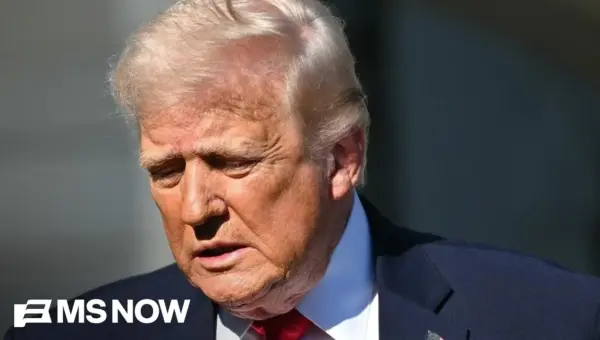
Trump’s Allies Abroad Face Setbacks, Raising Concerns for GOP
The recent electoral defeat of Hungarian Prime Minister Viktor Orban, a key ally of Donald Trump, is raising concerns for the former president's political strategy. Analysts suggest that the loss signals potential trouble for Trump's own political playbook, particularly his attempts to project an image of inevitability and consolidate power. The findings also highlight growing voter discontent, fueled by economic woes and broken promises, which Democrats aim to capitalize on in upcoming elections.
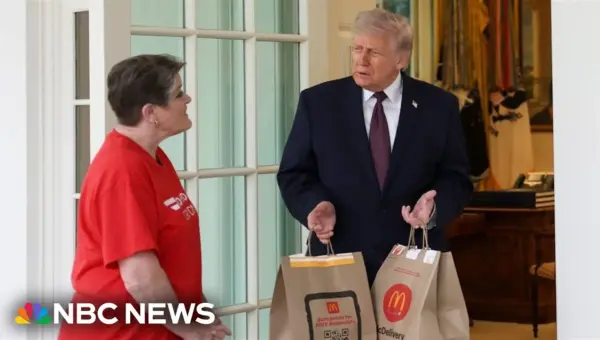
Trump Discusses Iran Deal, Pope Leo, and Tax Tips
President Trump discussed ongoing Iran negotiations and his disagreements with Pope Leo during a White House briefing. He also addressed a controversial social media post and highlighted tax benefits for tipped workers, using a DoorDash delivery as an example.
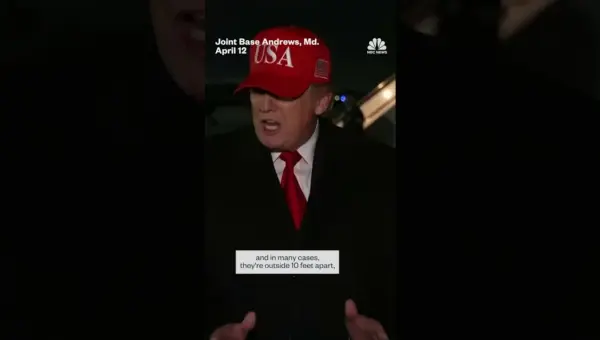
Trump Criticizes Pope Leo, Citing Crime and Nuclear Concerns
Former President Donald Trump publicly stated he is "not a big fan" of Pope Leo on Truth Social. He cited concerns over the Pope's perceived leniency on crime and his stance on nuclear weapons. Trump described the Pope as "very liberal" and not focused on protecting citizens.