US-Iran Talks Hinted Despite Vance’s ‘All Over’ Claim
Rumors suggest new talks between the US and Iran may be imminent, despite recent claims of negotiation failure. Meanwhile, direct talks between Lebanon and Israel are set to occur in the US, aiming for pragmatic solutions amid ongoing conflict. Italy has also suspended its defense agreement with Israel, signaling shifting international pressure.

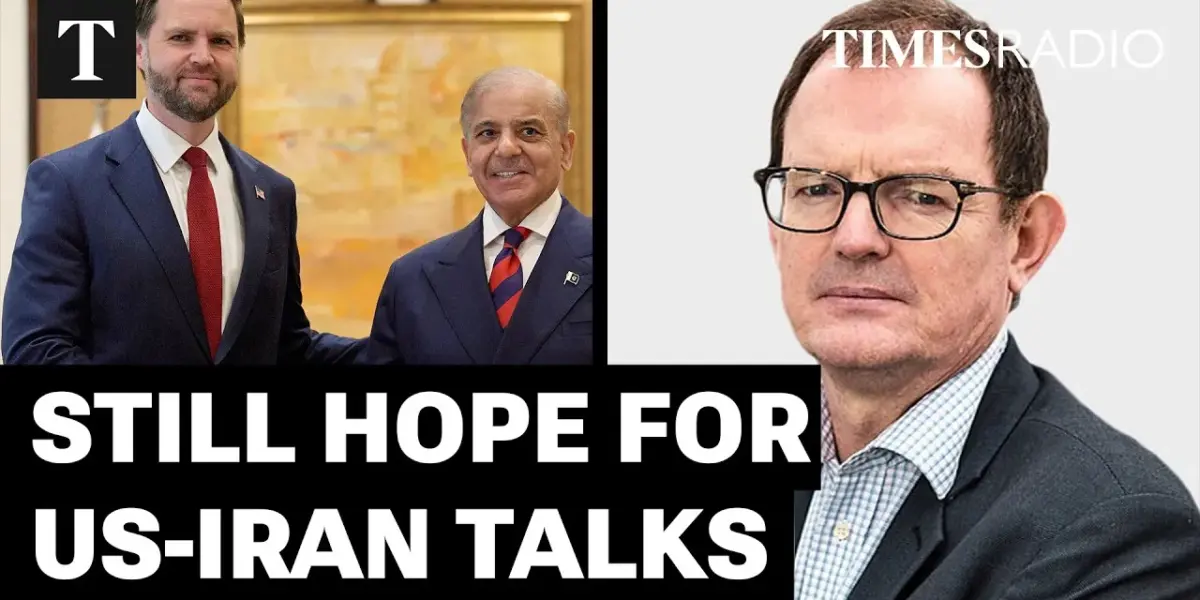
New Hope for Iran Negotiations Emerge
Rumors are swirling about a potential new round of talks between the United States and Iran, possibly starting this week or early next. This comes despite recent declarations that negotiations had completely failed. The signals suggest that a recent walkout by Senator JD Vance from a meeting, where he famously stated “it’s all over,” might not have been as final as it seemed.
Blockade and Diplomacy in the Middle East
In parallel developments, at least four ships linked to Iran have passed through the Strait of Hormuz following the implementation of a blockade by the Trump administration. This move is intended to increase pressure on Iran to return to the negotiating table. Meanwhile, direct discussions between Lebanese and Israeli officials are scheduled to occur in the United States today. These talks aim to address the ongoing conflict and find pragmatic solutions.
Iran’s Stance on Negotiations
Times foreign correspondent Richard Spencer discussed the situation, noting that Iran has a clear interest in continuing negotiations. He explained that Iran benefits from keeping dialogue open to avoid military action. “Iran has a vested interest in negotiations. It has a vested interest in keeping the conversation about what its goals are open as long as possible to stop itself getting bombed,” Spencer stated. The current blockade, while aimed at pressure, also serves to keep communication channels open, preventing a more aggressive response.
Pakistan’s Role and Potential Breakthroughs
Pakistan has expressed its willingness to host a second round of talks between Iran and the United States. While no major policy changes have been announced, the persistent rumors suggest that progress is being made behind the scenes. Spencer indicated that the breakdown of previous talks was not as absolute as reported. “There were some commonalities as they say that the two sides obviously had differences but there had been some concessions on both sides,” he reported. Specifically, concessions were discussed regarding the technical aspects of Iran’s nuclear program, such as “sunset clauses” for restrictions. Reports suggest Iran offered to suspend enrichment for five years, while the U.S. sought a 20-year commitment. This indicates potential room for further dialogue.
Direct Talks Between Lebanon and Israel
The upcoming negotiations between Lebanese and Israeli officials in Washington represent a significant diplomatic shift. Spencer highlighted that many in Lebanon are weary of the ongoing conflict. “Lebanon is really fed up with all this,” he noted. Many Lebanese feel unfairly targeted by Israel’s actions against Hezbollah and are also frustrated with Hezbollah for involving the country in wars. Despite historical animosity and Lebanon’s non-recognition of Israel, there is a growing desire for practical solutions to border issues. However, Hezbollah remains firmly opposed to such measures, maintaining support among a significant portion of the Shia population. The prospect of a mediated solution is welcomed by most, but resolving Hezbollah’s armed status remains a major hurdle.
Italy Suspends Defense Agreement with Israel
In a notable development, Italian Prime Minister Giorgia Meloni announced the suspension of Italy’s defense agreement with Israel. This decision comes in response to the current situation and the ongoing war. Historically, Israel has often shown resilience to international condemnation. However, Spencer suggested that this might be changing, with countries like Italy taking a more critical stance. “The fact that even his support in Europe is starting to drift away,” Spencer observed, referencing Israeli Prime Minister Benjamin Netanyahu’s recent speech. Netanyahu had criticized Europe for not supporting Israel, drawing parallels to the appeasement of the 1930s. The shift in European allies, including Italy’s move away from Trump’s stance on the conflict, indicates growing international pressure on Israel.
Looking Ahead
The coming days will be crucial in determining whether these nascent diplomatic efforts translate into concrete progress. The outcome of the US-Iran discussions and the direct talks between Lebanon and Israel will be closely watched. Additionally, the impact of Italy’s decision and broader European sentiment may influence Israel’s approach to the ongoing conflict.
Source: Hope Remains For US-Iran Negotiations Despite Vance’s ‘It’s All Over’ Claim | Richard Spencer (YouTube)

Related Articles

US Warships Blockade Iran, Triggering Global Economic Fears
U.S. warships have initiated a partial blockade of Iranian ports near the Strait of Hormuz, aiming to pressure Iran by cutting off oil exports. This action has drawn strong criticism from China and sparked protests in Tehran, with Iran calling it piracy. The blockade is creating global economic concerns, affecting oil prices and Wall Street, while also fueling an unlikely feud between President Trump and the Pope over war stances. Meanwhile, two U.S. lawmakers are resigning amid misconduct allegations, and the nation braces for severe weather and record heat.
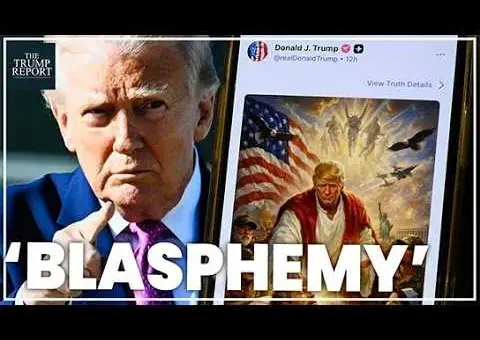
Trump’s Risky Blockade & Divine Images: A Troubled Presidency
President Trump's naval blockade of Iran is a high-risk gamble, potentially escalating regional conflict. Meanwhile, controversial AI imagery and legal battles reveal fractures in his support base and a strained relationship with the media.

US Policy Shift on Hormuz Stirs Global Economic Fears
A significant shift in U.S. policy regarding the Strait of Hormuz has triggered global economic concerns, impacting energy prices worldwide. The move, alongside ongoing conflicts and domestic political challenges, raises questions about America's international influence and economic stability.